


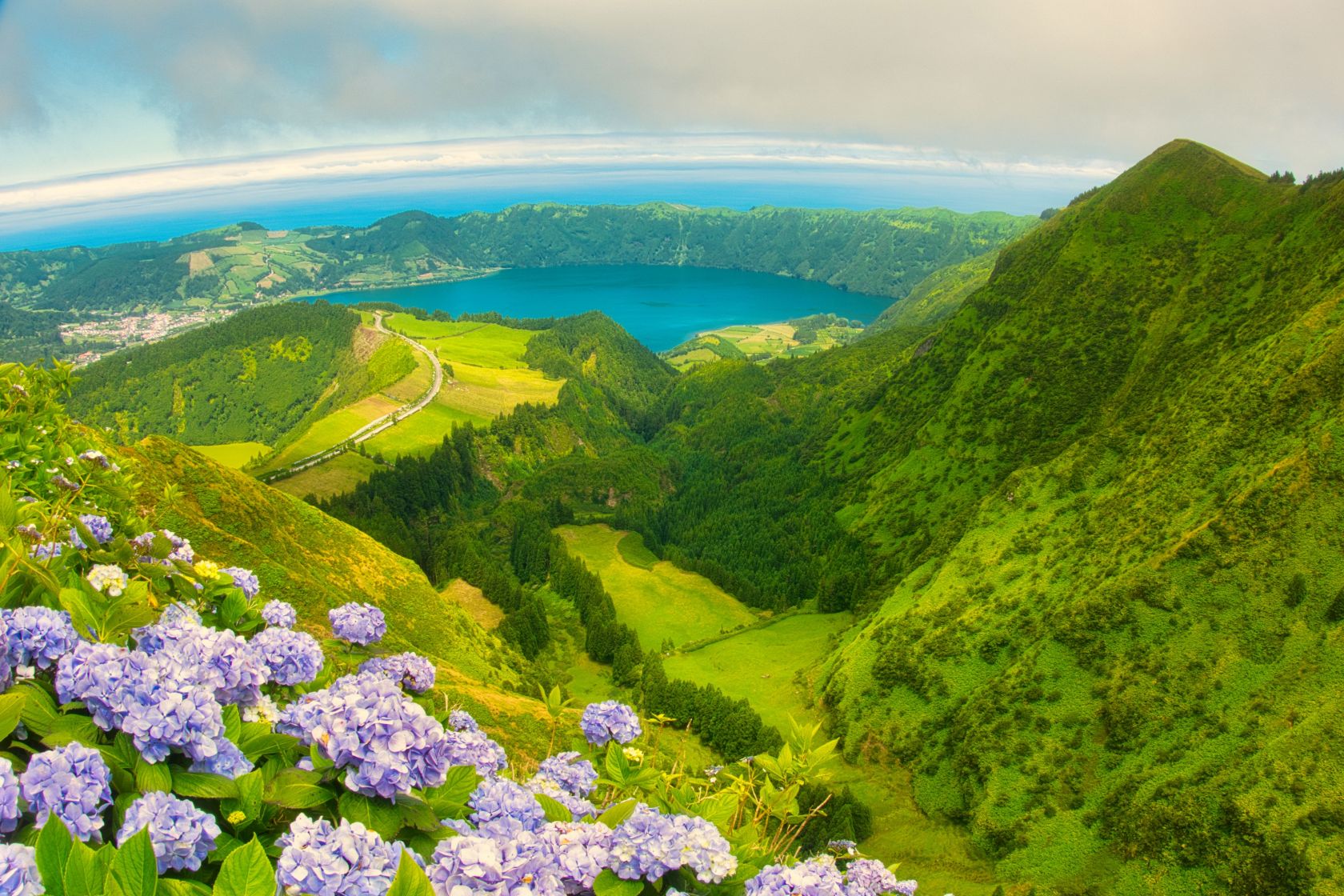
This information was shared by Alonso Miguel, the Regional Secretary for the Environment and Climate Action, on Terceira Island. He was speaking at the opening session of a training course titled "Nature Conservation and Biodiversity Protection," aimed at entities responsible for environmental monitoring and enforcement, a course that will also be held on the islands of São Miguel and Faial.
On that occasion, he stated that the success of environmental policies depends not only on defining strategies and management tools but also on investing in training and technical and operational capacity-building, as well as ensuring adequate resources for monitoring and enforcing regulations across the territory.
The official also noted the Regional Government's "strong commitment" to environmental education and literacy, while acknowledging the work carried out in the island-based Natural Parks, environmental centres, the Azores Geopark, and the Biosphere Reserves.
Quoted in a statement released by the Regional Government (PSD/CDS-PP/PPM), Alonso Miguel underscored the pivotal role of the LIFE Programme as a "financial and operational tool that has enabled the allocation of over 45 million euros to the management, preservation, and enhancement of the region's protected areas."Over the last four years, he revealed that more than 2.5 million euros have been invested to strengthen the islands' Environment and Climate Action services, equipping them with new vehicles, boats, machinery, industrial equipment, drones, uniforms, and personal protective equipment.
The Regional Secretary also highlighted the work carried out by Nature Wardens, the GNR’s Nature and Environment Protection Service (SEPNA), the PSP’s Environmental Protection Brigade (BRiPA), and the Regional Environment Inspectorate—the entity responsible for coordinating inspection activities and processing environmental administrative offence cases.
Stating that "the region has achieved remarkable progress" in the environmental sector, the Regional Secretary noted that firm steps have been taken regarding environmental management, nature conservation, climate action, and land-use planning.
Alonso Miguel reaffirmed that "the Regional Government will continue to strengthen the resources dedicated to environmental enforcement" and recalled the recent hiring of 12 nature wardens, as well as the ongoing recruitment processes for a senior inspector, a senior environmental technician, and a legal expert for the Regional Environment Inspectorate.
"Today, we have an active and proactive inspection service that combines high levels of knowledge, discipline, and rigour with a pedagogical, educational, and preventive approach—one that is respected and recognised both within the region and abroad," he emphasised.
The training program, organised by the Regional Environment Inspectorate and taking place this week in Angra do Heroísmo on Terceira Island, brings together 33 trainees from the various entities responsible for environmental enforcement.
Set The Portugal News as your preferred source for news on Google
 Add as a preferred source on Google






 Portugal Handbook
 English
 Nederlands
 Deutsch
 Français
 Español
 Italiano
 Svenska
 Pусский
 中文
中文 Türkçe
 Português
 Czech
Czech Hungarian
 Polski
 عربي
عربي Suomi
Suomi עִברִית
 Português (Brasil)
Follow us on social media