


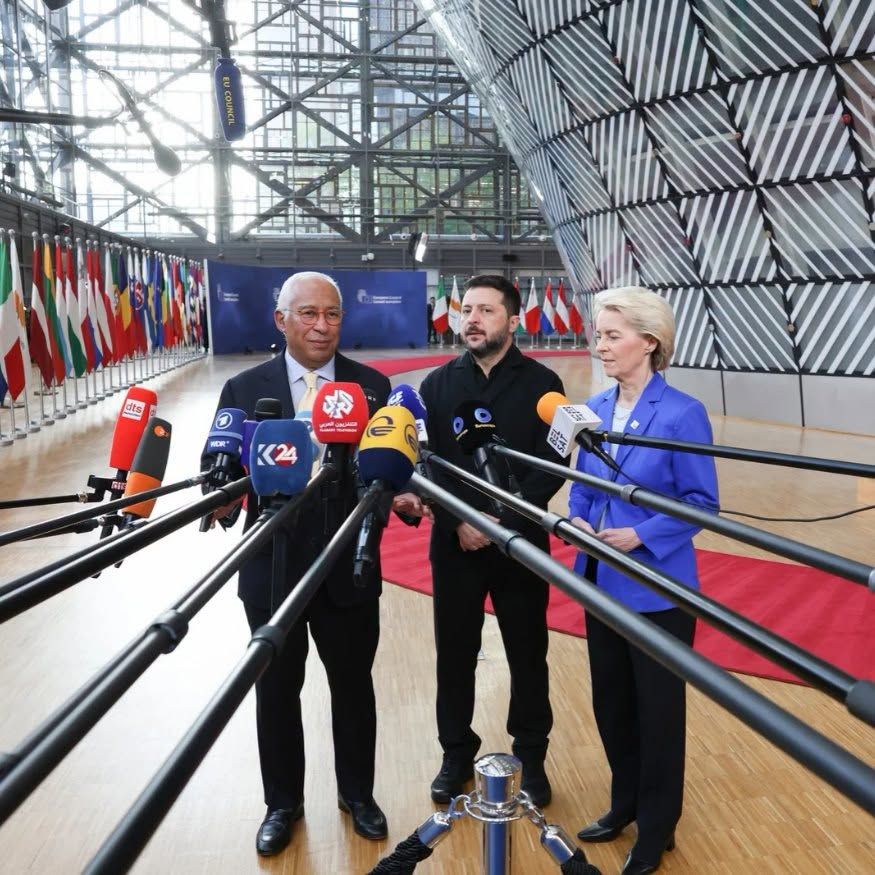
The meeting, which went on for more than 14 hours, was unable to reach agreement on important matters—for example, on energy prices and the negotiations concerning the European Union's next multiannual budget—thus revealing the deep divisions existing among the member states and leaving the former Portuguese Prime Minister open to criticism for the way in which he conducted the proceedings.
The peak point of tension was the discussion concerning ETS2, the second EU emissions trading system, which includes heating and transport.
Energy bills
A group—composed of Germany, France, Spain, Portugal and the Nordic countries—was in disagreement with another group made up of Italy and the Visegrád Group (which consists of Poland, Czechia, Slovakia and Hungary), the latter insisting that the measure should be postponed in order to reduce its effect on energy bills.
Because of the stalemate in negotiations, a press conference that had been scheduled was cancelled, some diplomats blaming Costa for losing control of the meeting and for not promptly handling the proposed amendments.
At the same time, the way the President of the European Council is handling the negotiations on the multiannual budget—something he intends to finish by the end of the year, with an extraordinary summit set for 26 November—has given rise to concern, especially among the northern member states, referred to as the “frugals”, who are accusing António Costa of tilting in favour of the positions taken by the southern member states.
Even though a number of delegations have expressed their dissatisfaction, some heads of government—like Bart De Wever, the Prime Minister of Belgium—have supported the Portuguese official, lauding his negotiating abilities and blaming the present deadlock on the complete intransigence of a few national leaders.
Set The Portugal News as your preferred source for news on Google
 Add as a preferred source on Google








 Portugal Handbook
 English
 Nederlands
 Deutsch
 Français
 Español
 Italiano
 Svenska
 Pусский
 中文
中文 Türkçe
 Português
 Czech
Czech Hungarian
 Polski
 عربي
عربي Suomi
Suomi עִברִית
 Português (Brasil)
Follow us on social media