


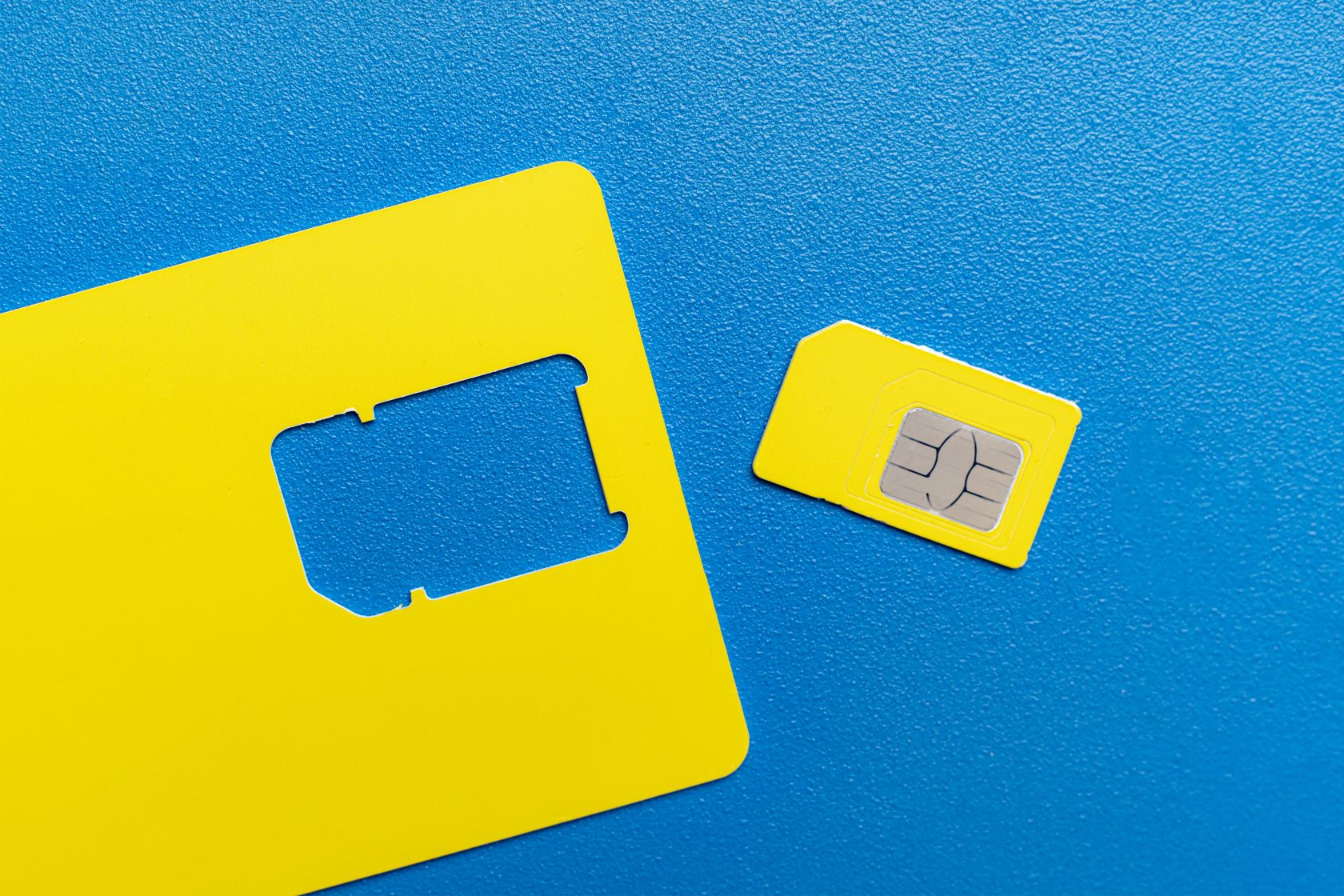
Trip Plans Stay Easier to Adjust
A prepaid plan suits travel that does not follow a strict script. One route can become three, and a weekend stop can turn into a full week. A prepaid travel eSIM fits that kind of shift because the data package is usually tied to volume, validity, and destination. There is no monthly contract to think about after the trip ends.
That matters when flights change or a rail pass opens up an extra country. A traveler can pick a local plan for one stop or a regional plan for a wider route. The choice stays centered on data needs instead of a long billing cycle. That makes the setup feel closer to trip planning and less like paperwork.
Data Control Feels Clearer on the Road
Prepaid data plans make costs easier to read before departure. The package usually spells out how many gigabytes come with the plan and how long that data stays active. That simple setup helps compare a 5 GB option for maps and chat with a larger one for remote work and uploads.
For flexible travel, clear limits can actually help, not restrict. A short city break may need only light data, while a month across several countries may call for more room. With prepaid options, the plan can match that travel pattern without extra layers. That is useful when the trip itself already has enough surprises.
Coverage Choices Can Match the Route
A city-based plan may work well for a single destination, while a regional plan suits a route that jumps between nearby countries. That is where prepaid options make sense, since many of them are sold by country, region, or validity period. The plan can fit the route instead of forcing the route to fit the plan.
Local plans and regional plans serve different trip styles
A local plan is useful for long stays in one country or for travelers who want a simple price per destination. A regional plan makes more sense for multi-stop trips where border changes happen fast. Another prepaid travel eSIM can also work as a backup when one trip has both a long base stay and a short side visit. The key is to check the supported countries and the validity window before purchase.
Speed and Network Access Still Need a Close Look
Prepaid does not mean low-tech. The real experience depends on partner networks, radio support on the phone, and local coverage quality. Many travel eSIM plans support 4G or 5G where available, but speeds still vary by area, congestion, and device compatibility.
A few checkpoints help before purchase:
● Check whether the phone is eSIM compatible and carrier unlocked.
● Review supported countries and partner networks.
● Confirm data allowance, validity days, and top-up rules.
● Look at hotspot support if other devices may need data.
A cheap plan with a short validity period may suit a weekend but feel cramped on a longer route. A regional package may cost more upfront yet save hassle across borders.
Top-ups Can Rescue a Loose Itinerary
One reason prepaid data works well for flexible trips is the option to add more when needed. Data use can spike after a weather delay, a train rebooking, or a burst of hotel research in a new city. A plan that supports add-ons lets the same eSIM profile stay in use while extra data is added.
This also helps with uneven travel habits. Some days need very little data, while others call for maps, translation, ride apps, and cloud access all at once. Prepaid structures handle that pattern well because the traveler can start small and expand if the trip changes shape. It is a practical middle ground between overbuying and running dry too soon.
For flexible travel, a prepaid travel eSIM makes sense because it treats data as a trip tool, not a long commitment. It gives a clearer view of volume, validity, coverage, and setup, which helps when routes stay open and schedules shift. That balance of travel ease and technical control is exactly why prepaid data plans stand out.
 Add as a preferred source on Google





 Portugal Handbook
 English
 Nederlands
 Deutsch
 Français
 Español
 Italiano
 Svenska
 Pусский
 中文
中文 Türkçe
 Português
 Czech
Czech Hungarian
 Polski
 عربي
عربي Suomi
Suomi עִברִית
 Português (Brasil)
Follow us on social media