


"[The Dutch public broadcaster] AVROTROS will not participate in the Eurovision Song Contest in 2027 because the event can no longer be considered neutral, with one participating country still involved in a large-scale military conflict," the statement released today said.
Quoted in the same text, the director-general of the Dutch public broadcaster, Taco Zimmerman, pointed out that Eurovision has become a "platform for division," instead of fulfilling its original mission of "bringing people and countries closer together.
The Dutch broadcaster believes that the recent changes announced by the European Broadcasting Union (EBU) do not go far enough to guarantee confidence "that the neutral and independent character of Eurovision has been restored."
“The severe humanitarian suffering in Gaza and the ongoing restrictions on press freedom have contributed to increased divisions surrounding Eurovision in recent years. […] This underscores the need for a clear framework to assess the participation of countries involved in military conflicts. Under what circumstances is participation compatible with a neutral Eurovision and when is it not? For AVROTROS, the basis for the EBU's assessment remains unclear,” it adds in the same text.
Israel's participation in the contest was once again the target of controversy and calls for its exclusion this year, leading five countries - Spain (one of the members of the 'Big 5' group, those that contribute the most financially to the production of the show), Ireland, the Netherlands, Slovenia and Iceland - to boycott the contest.
The boycotts were due to Israeli military attacks in the Palestinian territory of the Gaza Strip, which have killed at least 72,000 people since October 2023 and have been classified as genocide by an independent international commission of inquiry of the United Nations.
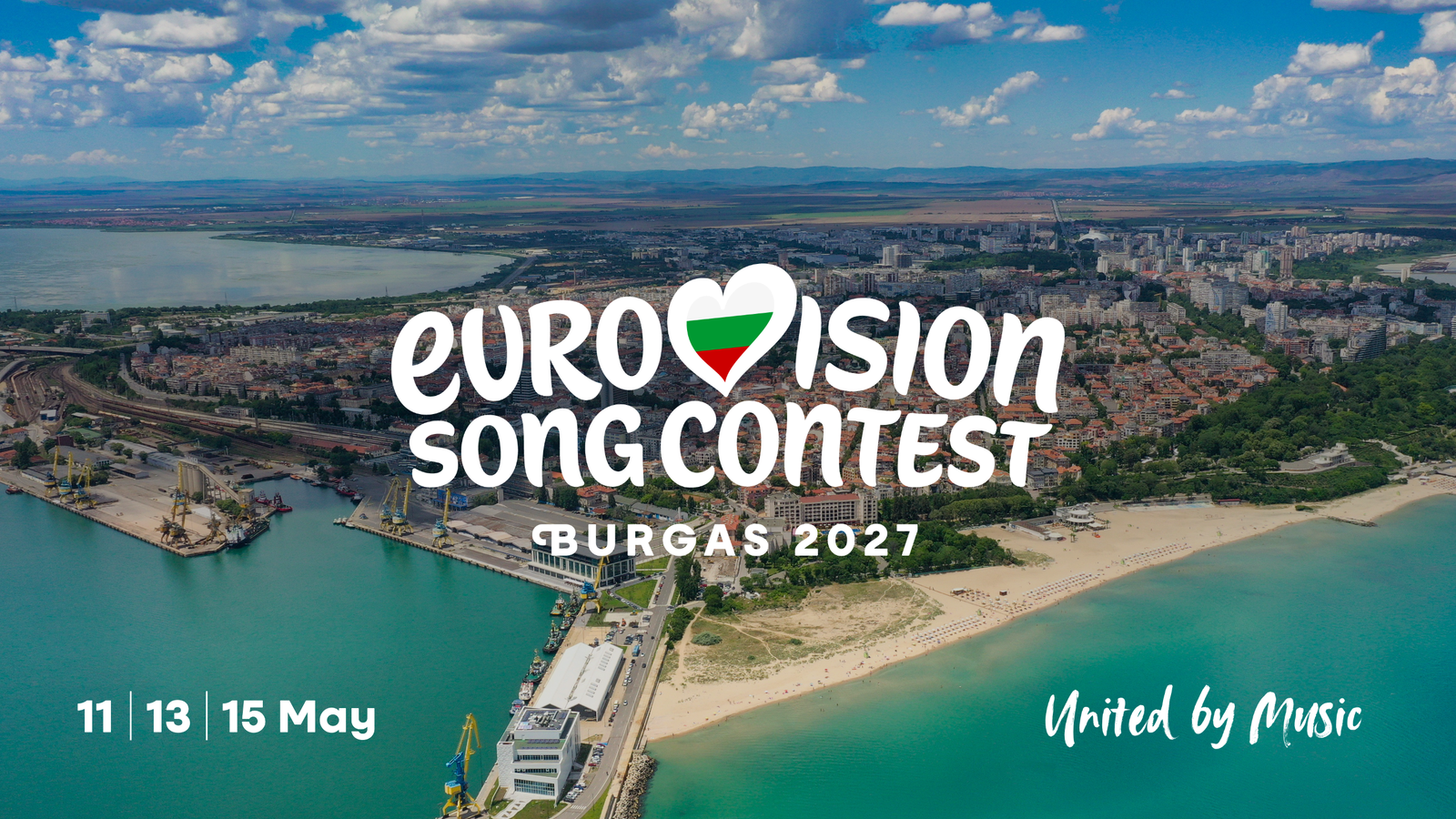
The European Regional Union (ERU) announced this month that the Bulgarian city of Burgas, on the Black Sea, has been chosen to host the 71st edition of the Eurovision Song Contest, on 11, 13 and 15 May 2027.
The announcement of the city chosen for the next edition of the Eurovision Song Contest comes a day after the ERU announced changes to the regulations, including the possibility of the winning country being prevented from organising it if it is in "armed conflict, a sensitive geopolitical situation or other circumstances that materially affect the security or stability" of the local area or the surrounding region.
The contest has been held annually since 1956, and there have been countries excluded, such as Belarus in 2021, after the re-election of President Aleksandr Lukashenko, and Russia in 2022, after the invasion of Ukraine.
Set The Portugal News as your preferred source for news on Google
 Add as a preferred source on Google






 Portugal Handbook
 English
 Nederlands
 Deutsch
 Français
 Español
 Italiano
 Svenska
 Pусский
 中文
中文 Türkçe
 Português
 Czech
Czech Hungarian
 Polski
 عربي
عربي Suomi
Suomi עִברִית
 Português (Brasil)
Good riddance to the Dutch. Eurovision is a song contest, not a political show. If Israel is involved in a war, it's because the country was attacked by terrorists. Are the Dutch pleased at that?
The Dutch broadcaster who made this decision must be further left than the far left.
By Billy Bissett from Porto on 24 Aug 2026, 17:01
Oh no how dreadful! What does this mean? Is 'Palestine' free now?
Lol
By Hart from Lisbon on 25 Aug 2026, 05:54