


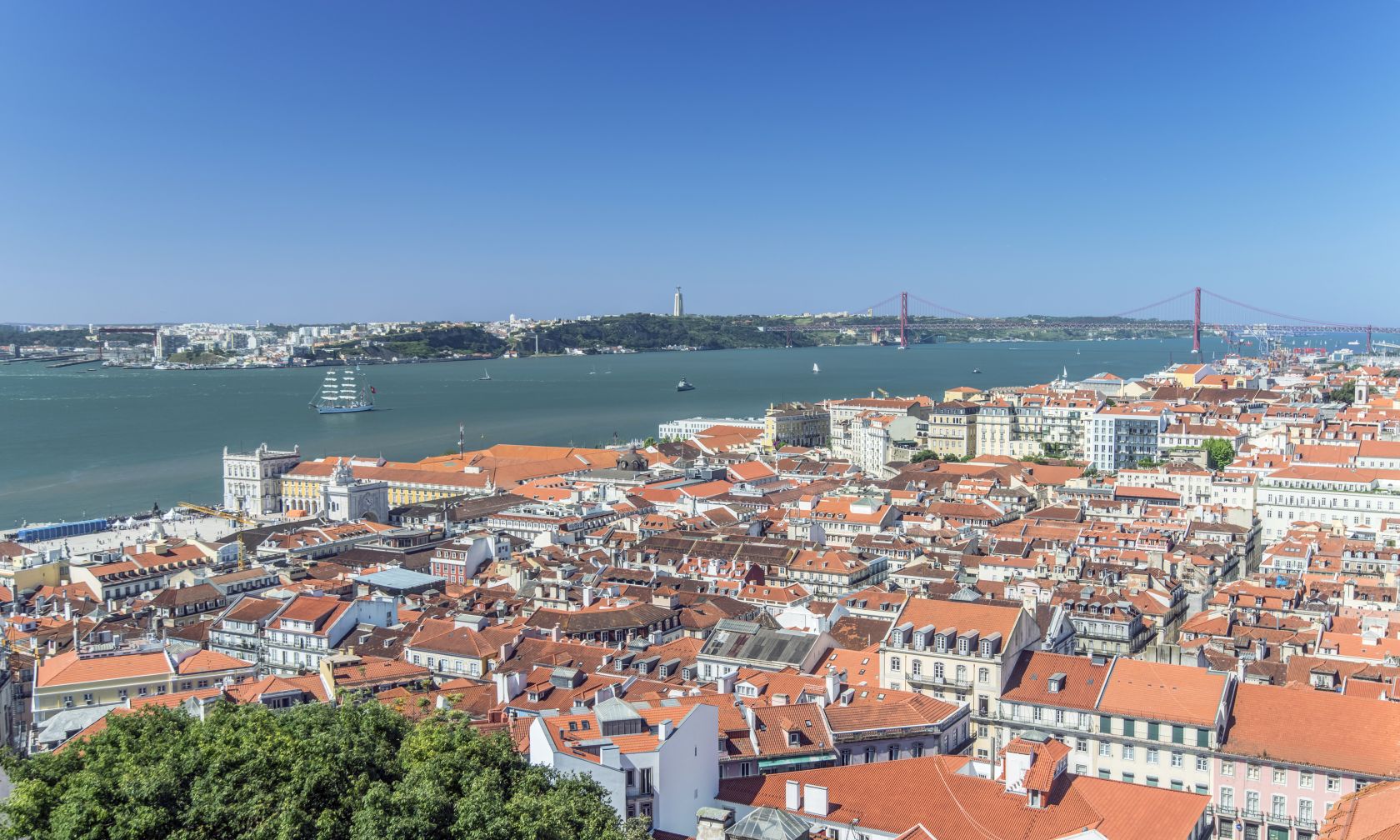
The equipment will be placed in areas such as the Sá da Bandeira Garden and Santa Apolónia Station to increase the system's coverage in areas most exposed to the possibility of a tsunami.
The municipality also reveals that the new siren in the Sá da Bandeira Garden will be located in the Misericórdia parish, while the Santa Apolónia siren will be next to the Lactário Museum in Santa Maria Maior. The latter siren aims to extend the warning to residents and visitors in the São Vicente parish.
The Mayor of Lisbon, Carlos Moedas, also says the municipality has gradually increased investments in Civil Protection, considering it a crucial area for responding to everyday risks, to prepare Lisbon for potential emergency situations.
Six alert points
With these changes, Lisbon now has a system that covers Praça do Império in Belém, Passeio Carlos do Carmo in Alcântara, Doca de Alcântara/Santo Amaro in Estrela, Jardim Sá da Bandeira in Misericórdia, and, in Santa Maria Maior, Santa Apolónia Station and Miradouro do Chão do Loureiro.
The new locations resulted from technical work carried out by the Lisbon City Council, including acoustic work and the evaluation of different civil protection exercises. Among the exercises carried out was, for example, Lisbon Wave 26, which took place in March and helped to improve the effectiveness of the alert system.
More and more sirens
The plan is for the tsunami warning siren network to continue growing, with the possibility of the Lisbon riverside area having 10 sirens in the area, ensuring increasingly comprehensive coverage
Warnings in advance
The Lisbon City Council also advises that the system works in such a way as to allow a tsunami warning to be given 30 minutes before the wave arrives. The defined period allows people to move to safe areas, also indicated on the signs spread throughout the city of Lisbon.
Set The Portugal News as your preferred source for news on Google
 Add as a preferred source on Google








 Portugal Handbook
 English
 Nederlands
 Deutsch
 Français
 Español
 Italiano
 Svenska
 Pусский
 中文
中文 Türkçe
 Português
 Czech
Czech Hungarian
 Polski
 عربي
عربي Suomi
Suomi עִברִית
 Português (Brasil)
Follow us on social media