


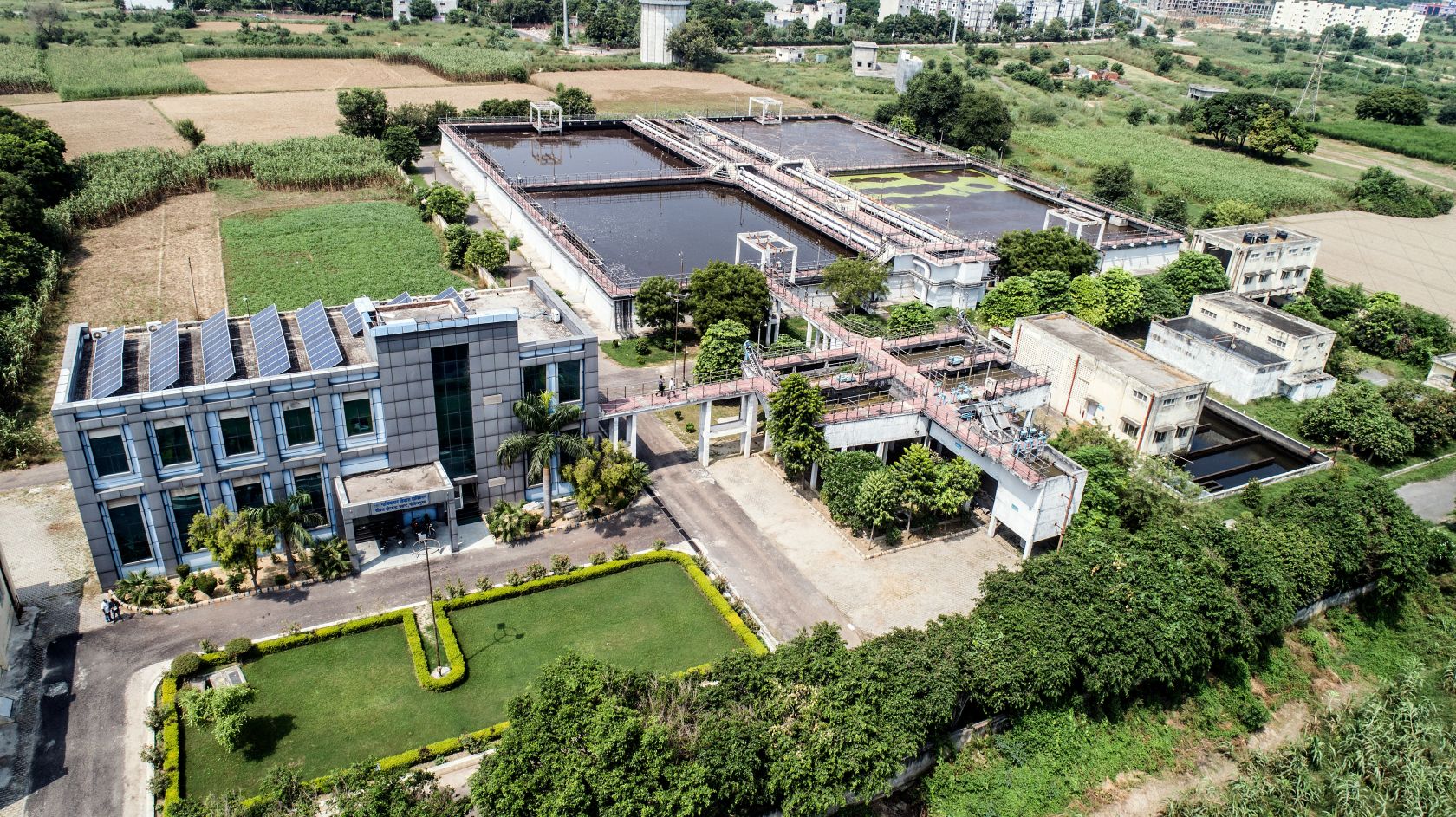
With the Court of Auditors’ approval secured, the municipality can now proceed with the formal handover of the site to the contractor, marking the start of the project’s execution period, which was awarded in June.
With a 365-day execution timeframe, this will be the “largest single intervention carried out on the municipality’s wastewater treatment system, with an impact that will last for decades,” the local authority highlighted.
This project will allow for the “modernisation of equipment, increased efficiency, and the enhancement of the system’s capacity to serve both the current population and the projected population over the long term.”
The municipality, located in the Viseu district, noted that it has invested in constructing and expanding sanitation networks over the past five years. Examples include new drainage networks in Vila Pouca and Sula, as well as network extensions into previously unserved areas such as Moitinhal, Almacinha, Macieira, Felgueira, and Cortegaça.
The municipality also built new wastewater pumping stations in Vila Pouca and Cortegaça, and the wastewater drainage network in Santa Cristina is nearing completion, the municipality added.
Regarding treatment systems, technical assistance and monitoring services were implemented for the operation and maintenance of wastewater treatment plants (WWTPs) in Mortágua, Almaça, Crafuncho, Almacinha, Freixo, the Manuel Lourenço Ferreira Industrial Park, Vale de Paredes, Felgueira, Vila Nova, Vila Meã, Mortazel, Cortegaça, Caparrosinha, Marmeleira, Caparrosa, Cerdeira, and Espinho, among others.
“The Crafuncho WWTP was modernised, and the new WWTP serving the villages of Pomares, Vale da Vide, and Barracão has come online. The design and tender launch for the new Sula WWTP will also become a reality this year,” it was announced.
The Mortágua Municipality also prepared applications to rehabilitate and enhance the municipality’s hydrographic network (watercourses and riparian corridors), covering a stretch of 32 kilometres.
The first application has already been submitted and outlines interventions on the Mortágua stream and the downstream section of the Fraga stream—spanning approximately 13.4 kilometres—covering the Pala/Monte de Lobos, Reguengo, and Mortágua floodplains.
“This intervention is part of a broader municipal project to rehabilitate and enhance the municipality’s watercourses, which will be carried out in phases, eventually covering other streams and brooks in Mortágua,” it was explained.
This application is part of the first batch of this strategic plan (two additional applications are currently being prepared). It represents “the start of a series of interventions aimed at promoting the ecological recovery of watercourses, boosting their hydraulic capacity, reducing the risk of blockages, and contributing to the preservation of the municipality’s environmental and landscape assets.”
 Add as a preferred source on Google





 Portugal Handbook
 English
 Nederlands
 Deutsch
 Français
 Español
 Italiano
 Svenska
 Pусский
 中文
中文 Türkçe
 Português
 Czech
Czech Hungarian
 Polski
 عربي
عربي Suomi
Suomi עִברִית
 Português (Brasil)
Follow us on social media