


What he notices about Portuguese NBA followers is specific: they're not just watching games at odd hours across a time-zone gap, they're tracking matchup form, pulling up player statistics mid-game, and building genuine analytical literacy around the sport. That deeper level of investment is exactly what draws many fans toward NBA betting sites, which position themselves as another layer of engagement for audiences who already follow the league closely — an external development Vasciunas observes as part of a broader pattern in how modern sports audiences consume the game.
How Organized Basketball Took Root in Portugal
Football's grip on Portuguese sporting identity is real, but basketball carved out its own space long ago. The Federação Portuguesa de Basquetebol, Portugal's national governing body for the sport, is responsible for organizing domestic competition and representing the country through FIBA, the global federation that oversees international basketball structures. That institutional foundation matters because it gave the sport a coherent framework at both the national and club level, rather than leaving it to develop as a patchwork of regional initiatives.
Portugal's national team competes in FIBA Europe qualifying campaigns for tournaments including EuroBasket, which means the country has a genuine stake in continental competition. That ongoing participation in organized international events has helped build public familiarity with the sport at a national level, giving casual followers a reason to pay attention beyond whatever is happening in club basketball. Basketball is widely regarded as one of the most popular sports in Portugal after football, and its institutional structure is part of the reason that standing holds.
The Liga Portuguesa de Basquetebol and the Club Identity at Its Core
The Liga Portuguesa de Basquetebol sits at the top of the domestic competitive pyramid, and what makes it interesting is who populates it. FC Porto, Sport Lisboa e Benfica, and Sporting CP each operate basketball sections alongside their football operations. For Portuguese sports fans, that's not a small thing. These clubs carry enormous emotional weight in the country, and their presence in basketball brings an existing, passionate community into contact with the sport.
The multi-sport club model does something else too: it creates infrastructure. Youth academies attached to these clubs serve as the primary structured pipeline for developing basketball talent, introducing the sport to young players within a competitive, organized environment. That's a serious advantage over grassroots development alone. When a kid grows up training inside a Benfica or Porto academy, they're part of an institution with resources, coaching staff, and a competitive calendar.
Portuguese clubs also participate in FIBA-sanctioned European club competitions, which means domestic teams regularly face continental-level opponents. That exposure matters for player development and for the league's credibility. A domestic competition that connects outward to European play is a more compelling product than one that exists in isolation.
NBA Star Power and How Portuguese Fans Follow the League
The NBA's global broadcasting strategy has been deliberate and far-reaching. Its games are widely available across European markets, including Portugal, through pay-TV and streaming platforms, which removed the most obvious barrier to following the league. But access alone doesn't explain the depth of engagement that Portuguese NBA fans have developed.
Social media and digital streaming have changed the texture of that engagement entirely. Portuguese fans can now follow team news, player statistics, and game coverage in real time, regardless of the time difference between Lisbon and the Eastern seaboard. That time-zone gap used to mean catching highlights the next morning. Now it can mean watching a game live, checking standings updates on a phone, or following a post-game statistical breakdown minutes after the final buzzer.
What sustains this is the league's character as a spectacle. The NBA's pace, its high-scoring games, and the genuine global celebrity of its players create a product that rewards close attention. Fans who follow team form and matchup analysis week to week are engaging with the sport analytically, and that analytical culture is increasingly visible among Portuguese followers of the league.
Street Courts, Club Academies, and the Sport's Expanding Footprint
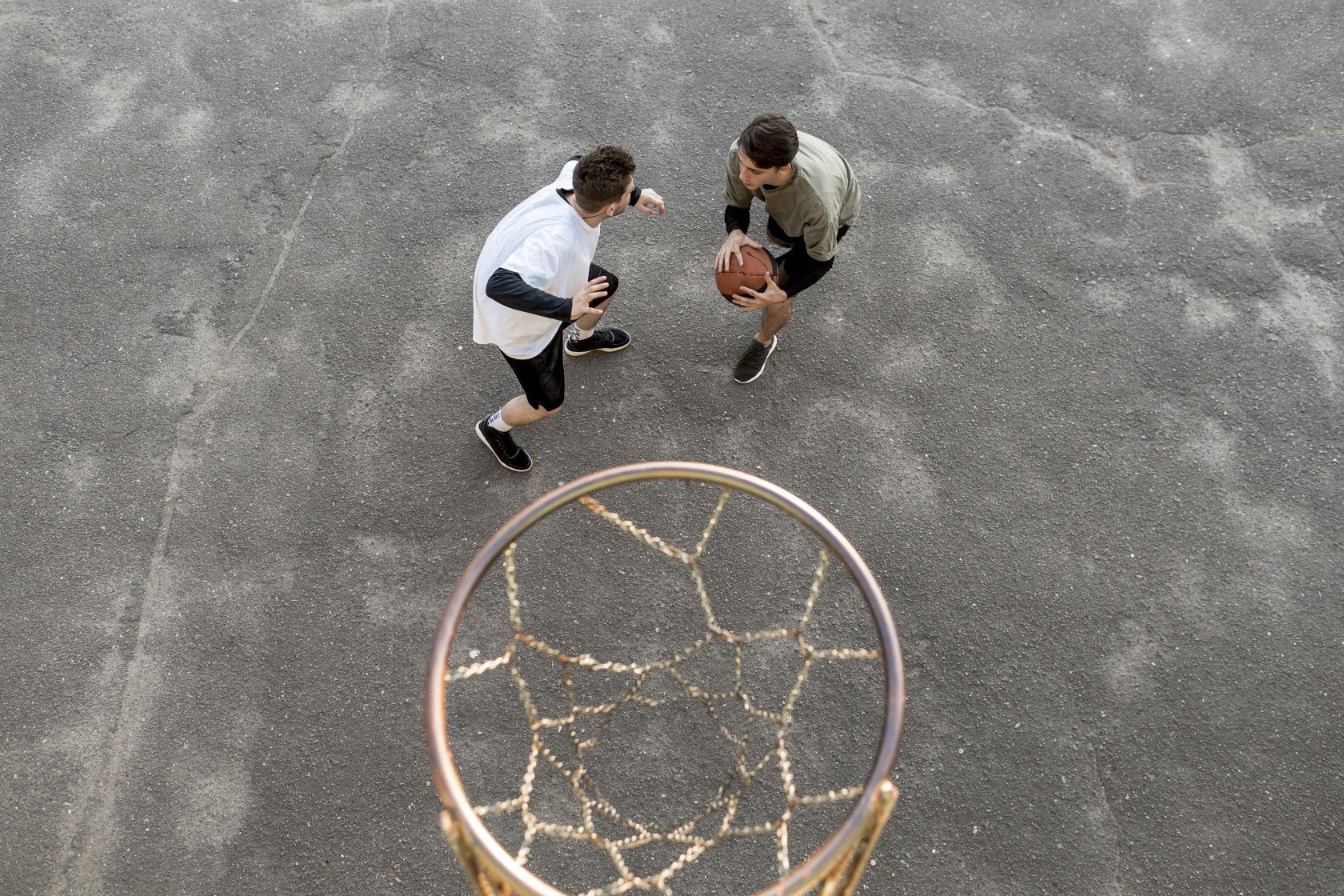
Basketball's growth in Portugal runs along two tracks that reinforce each other. On one side is the participatory culture, grounded in the sport's accessibility as a street game requiring minimal equipment and a modest amount of space. Urban centres across Portugal have seen the sport grow precisely because of this low barrier to entry. A court, a ball, and a few players is enough to start.
On the other side is the structured competitive pathway that connects those street courts to club academies and organized leagues. Youth development programs attached to Portuguese clubs bring players from informal participation into a training environment with a clear competitive ladder. FIBA's European structures provide the external context that gives that ladder meaning at the highest level, linking domestic development to international competition.
These two forces aren't separate stories. A teenager who picks up basketball on a neighbourhood court in Porto and finds their way into a club academy is part of the same growth story as the fan in Lisbon who watches NBA games on a streaming platform at midnight and checks box scores the following morning. The sport has built real roots in Portugal because it operates on both levels simultaneously, and the infrastructure now exists to carry that momentum forward.
 Add as a preferred source on Google





 Portugal Handbook
 English
 Nederlands
 Deutsch
 Français
 Español
 Italiano
 Svenska
 Pусский
 中文
中文 Türkçe
 Português
 Czech
Czech Hungarian
 Polski
 عربي
عربي Suomi
Suomi עִברִית
 Português (Brasil)
Follow us on social media