


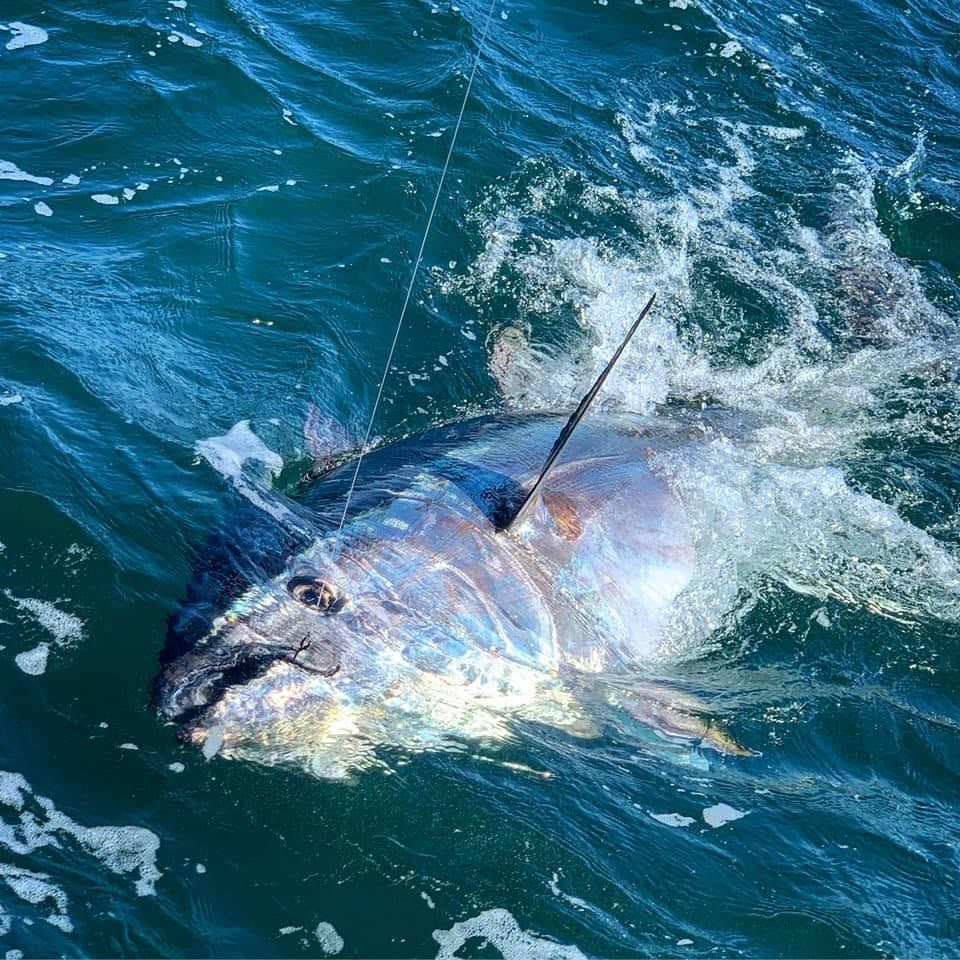
The discovery highlights humanity’s longstanding relationship with marine resources, predating evidence found in most other regions by thousands of years. Researchers examined archaeological remains, historical records and Indigenous traditions to reconstruct the history of tuna fishing.
The earliest evidence comes from tuna bones discovered at archaeological sites in East Timor, likely belonging to skipjack tuna. Deepwater channels may have brought the fish close to shore, making them accessible to prehistoric communities.
Elsewhere, ancient fishers used hooks, harpoons, nets and traps. Modern tuna fisheries now harvest millions of tonnes annually, supporting an industry worth approximately $40 billion.
Set The Portugal News as your preferred source for news on Google
 Add as a preferred source on Google


 Portugal Handbook
 English
 Nederlands
 Deutsch
 Français
 Español
 Italiano
 Svenska
 Pусский
 中文
 Türkçe
 Português
 Czech
 Hungarian
 Polski
 عربي
 Suomi
 עִברִית
 Português (Brasil)

Follow us on social media