


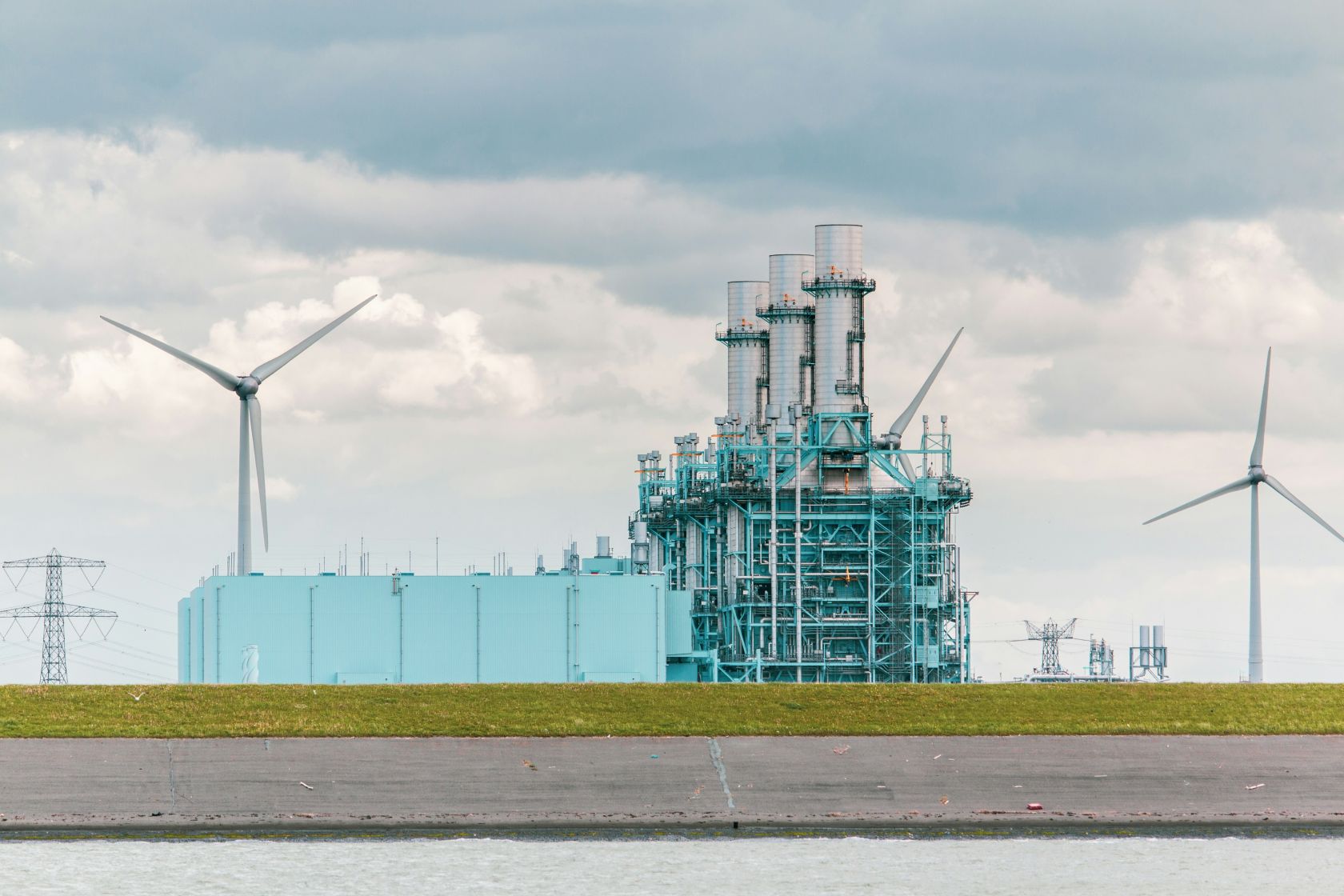
In a statement, the Alentejo CCDR reported that it issued digital permits on the 7th of this month for the MadoquaPower2X green hydrogen project and the MADOQUA NH3 green ammonia project, both located within the Sines Industrial and Logistics Zone (ZILS) in the Setúbal district.
According to the commission, issuing these permits marks an “administrative milestone in the realisation of two foundational projects for the energy transition, the decarbonization of the economy, and the development of the renewable hydrogen sector in Portugal.”
The CCDR emphasised that this represents “yet another step toward implementing projects that boost the region’s competitiveness, attract investment, and cement Sines’ status as a key European hub for the energy transition.”
The MadoquaPower2X (MP2X) project, developed by Madoquapower, involves installing a 500-megawatt (MW) green hydrogen production facility within the ZILS to produce renewable hydrogen for industrial and energy-related applications.
The CCDR noted that this is a “Project of National Interest” (PIN) with an investment of approximately 2.8 billion euros. It is expected to strengthen energy independence, reduce greenhouse gas emissions, and establish Sines as a strategic hydrogen hub.
The MADOQUA NH3 project—which also holds PIN (Project of National Interest) status—includes installing a green ammonia production facility powered by renewable hydrogen generated through the MP2X project.
With an investment of approximately 526 million euros, the facility will produce around 438,000 tonnes of renewable ammonia annually, intended for export and use as a low-carbon marine fuel.
During the presentation of the permits, the president of the Alentejo Regional Coordination and Development Commission (CCDR), Ricardo Pinheiro, highlighted “the importance of these investments for the future of the region, underscoring Alentejo’s role in achieving national and European goals regarding decarbonization, industrial innovation, and the production of clean energy.”
He emphasised that both projects are aligned with the National Hydrogen Strategy, the 2030 National Energy and Climate Plan, and European carbon neutrality objectives.
The digital installation permit authorises the project to proceed with establishing an industrial facility.
Set The Portugal News as your preferred source for news on Google
 Add as a preferred source on Google


 Portugal Handbook
 English
 Nederlands
 Deutsch
 Français
 Español
 Italiano
 Svenska
 Pусский
 中文
 Türkçe
 Português
 Czech
 Hungarian
 Polski
 عربي
 Suomi
 עִברִית
 Português (Brasil)

Do politicians never learn? Hydrogen was investigated as a fuel from about year 2000 to 2005 in the USA under George Bush. The conclusion was that it had multiple problems that would cost a fortune to solve. It requires a lot of energy to make it. It is very difficult to store because it leaks and even permeates. It is difficult to transport. To make it a liquid requires temperatures below -160 C and as a gas it makes pipes and valves brittle. All this has been long-known and yet politicians approve, and often subsidize, nonsense ideas. Do they think they can repeal the laws of physics?
By John McLean from Other on 24 Oct 2026, 15:57