


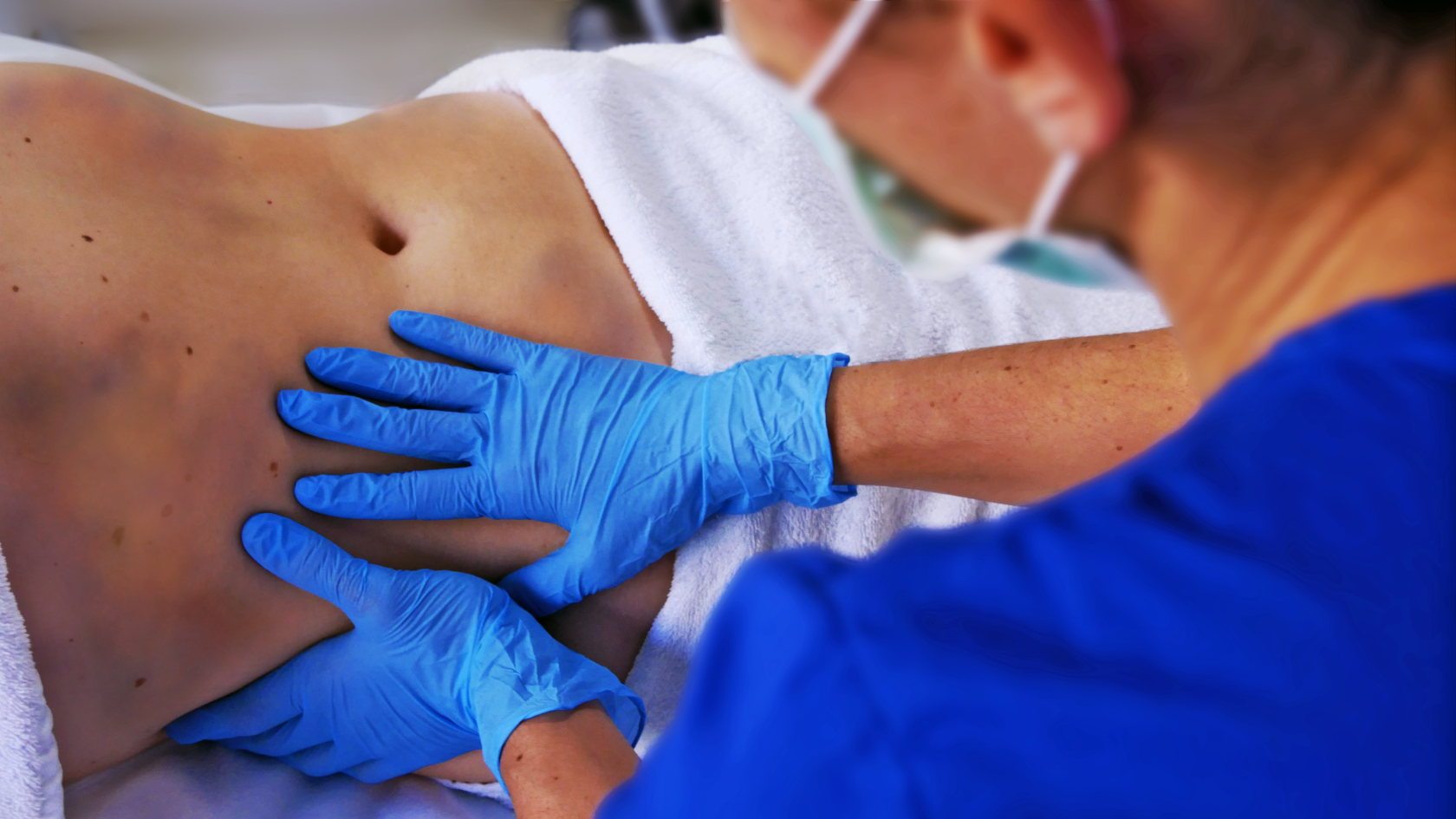
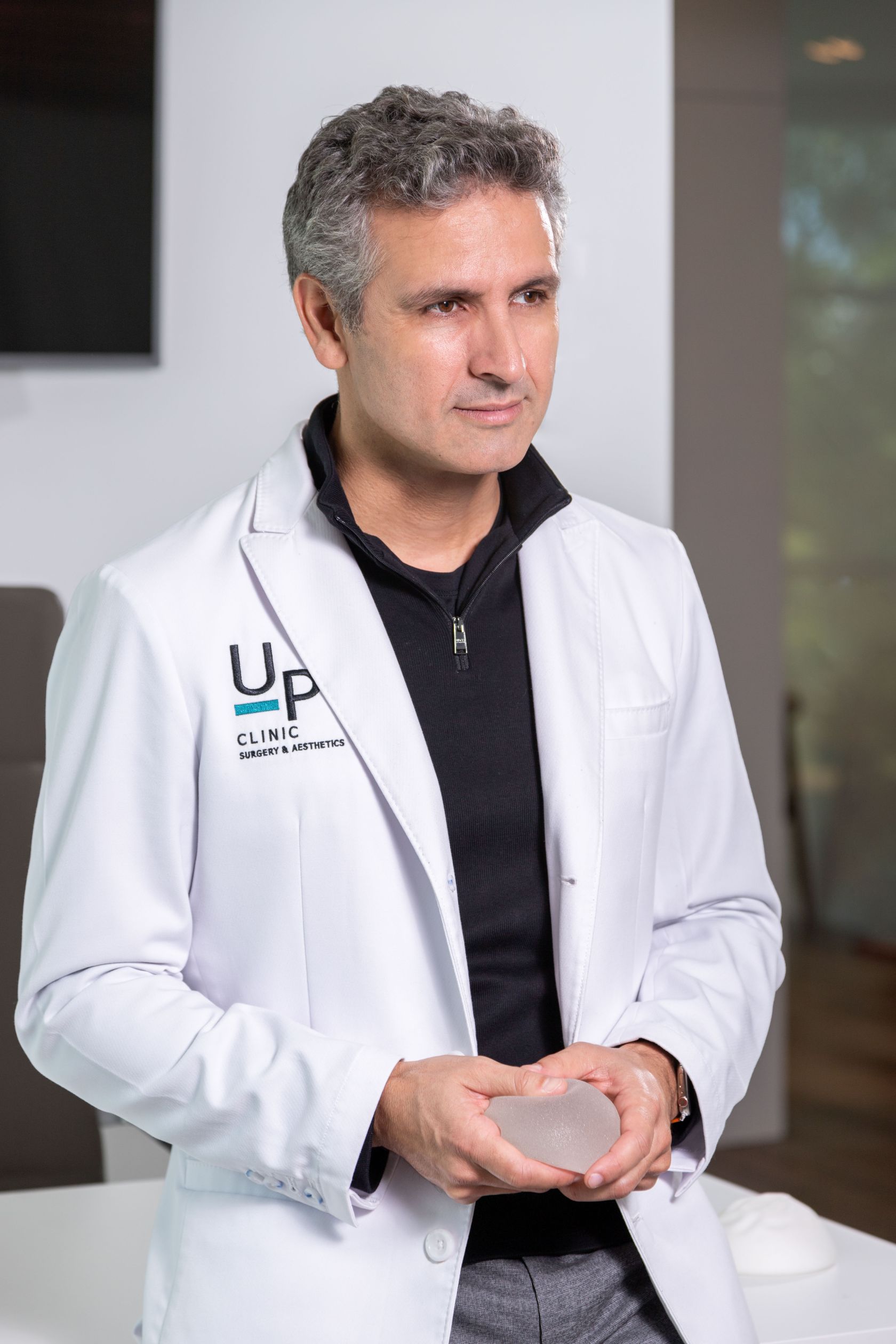
The recovery process is critical for a patient who has just undergone plastic surgery. “A technically perfect operation can be compromised by poorly managed recovery: swelling that is not properly controlled, wound-healing problems, or a complication detected too late”, Dr Tiago Baptista Fernandes, Clinical Director of Up Clinic, told The Portugal News. “Furthermore, recovery is the phase that patients actually experience.”
“These are days or weeks during which they deal with discomfort, limitations, and, often, anxiety”, he added. “If we do not approach this period with the same rigour as the surgery itself, we are not caring for the patient as a whole.”
As such, Tiago Baptista Fernandes has dedicated himself to researching this post-operation period. “I no longer only ask “what is the best possible result?”, I also ask “how can I achieve that result with the least possible disruption to this person’s life?”. This influences the choice of surgical technique, pain management, preparation before surgery and post-operative follow-up”, he reflected. “I also want to make it clear that fast never takes priority over safe. The aim is not to accelerate recovery at any cost, but it is to remove everything that unnecessarily delays it.”
Prehabilitation requirements
To achieve this ambition, the entire process of getting plastic surgery must be taken into consideration. “Recovery begins long before the patient enters the operating theatre”, Tiago explained. “Surgery is a controlled form of trauma to the body, and a well-prepared patient responds better to that stress and recovers more quickly.”
“Today, we talk about prehabilitation: optimising the patient’s condition before surgery rather than waiting until the post-operative period to address problems”, he continued. “It is not simply about ensuring that a patient is fit for surgery but about creating the best possible conditions for recovery from the very beginning.”
Prehabilitation involves many aspects, including personalised plans to address nutritional imbalances by supplying plenty of protein and additional micronutrients to support wound healing, caring for the skin, treating pre-existing conditions, and performing a thorough cleanse on the day of surgery.
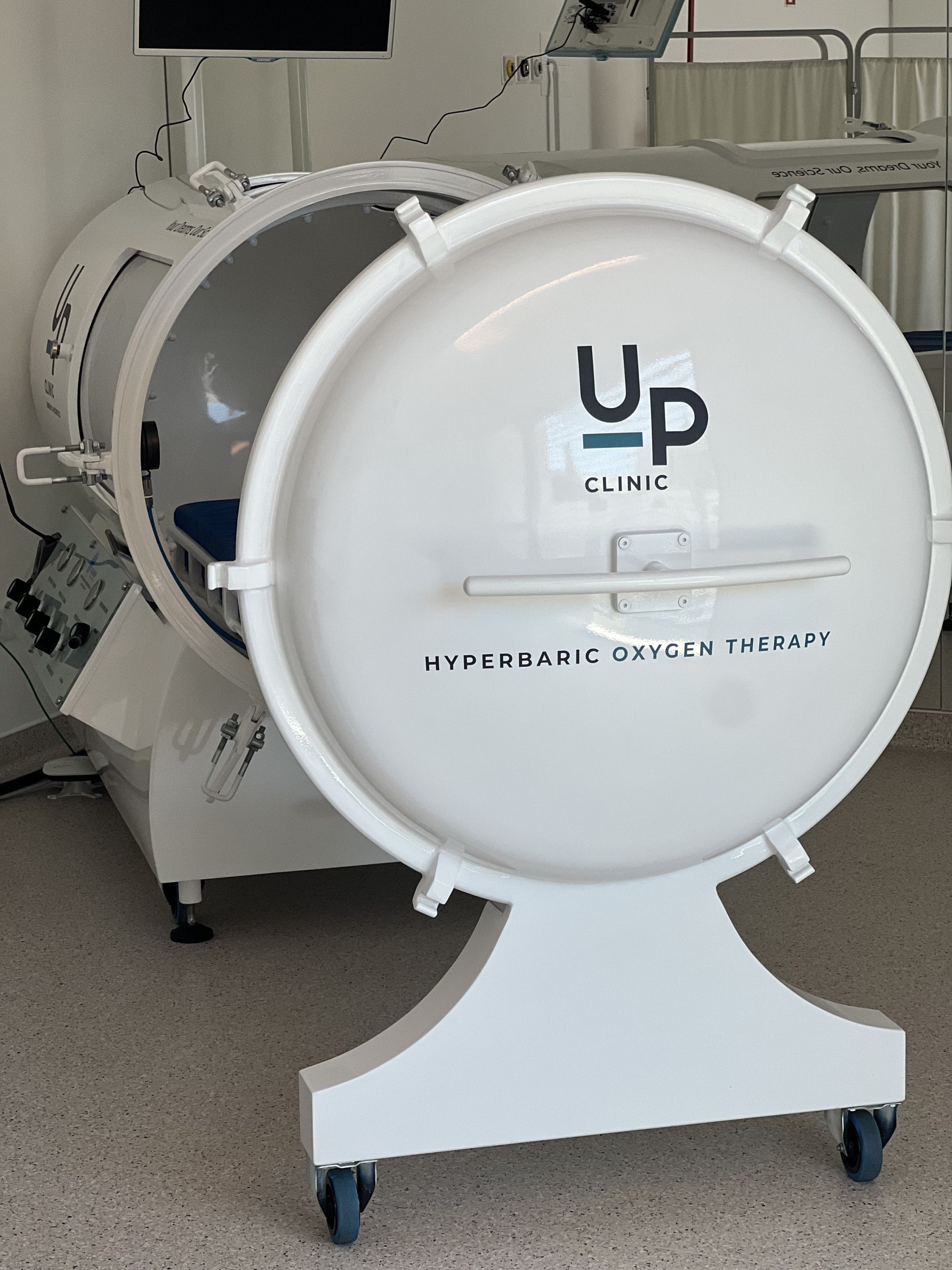
Dr. Tiago highlighted Up Clinic’s effort on tissue oxygenation, saying: “Adequate tissue oxygenation is essential for wound healing, so we therefore pay particular attention to smoking cessation, correcting anaemia, and managing conditions such as diabetes. In selected cases, we may use hyperbaric oxygen therapy as a complementary treatment. In Up Clinic, we have our own hyperbaric oxygen chamber, allowing us to offer this therapy in selected cases when clinically indicated and as part of an individualised recovery protocol.”
During surgery, surgeons make further decisions to minimise the damage caused.
The human body is an incredibly complex structure filled to the brim with a fractal of blood vessels, nerves, lymphatic ducts, and more, and so surgeons make their cuts with extreme delicacy, respecting the patient’s anatomical planes.
Another technique is called multimodal analgesia, which Dr. Tiago describes as “combining medications with different mechanisms of action, long-acting local anaesthesia and regional nerve blocks. This provides better pain control and reduces the need for opioids and their side effects, such as nausea, drowsiness, and constipation.”
Perioperative period
This brings us to the recovery process itself, with many experts championing physiotherapy during this period to reduce swelling, restore mobility, prevent fibrosis, and improve the patient’s comfort and confidence.
“Evidence shows that early physiotherapy during the perioperative period improves recovery and reduces complications”, the Clinical Director stated. “Our in-house team in Lisbon represents the ideal model: communication between the surgeon and physiotherapist is easy and immediate, and any questions about a patient can be resolved on the same day, often through a simple conversation in the corridor.”
“After surgery, inflammation is a natural and necessary response. However, when it becomes excessive or prolonged, it leads to increased swelling, pain, fibrosis, and a slower recovery”, he noted. “The Anti-Inflammatory Centre was designed to modulate this response by bringing together, in one space, technologies and therapies that help control swelling, relieve discomfort, and support tissue repair.”
One of the main factors that increases the risks associated with plastic surgery is the stress that travel puts on the body, and the physical distance from the clinic’s care services. “Before travelling, international patients need to know how long they should remain in Portugal, which restrictions they must follow, and who will provide care when they return home”, Dr. Tiago warned. “For someone travelling abroad for surgery, knowing that they will continue to be supported after returning home is an essential part of feeling safe. That continuity of care must be planned before the operation, not improvised afterwards.”
Clinical guidelines
Up Clinic enforces the CDC’s 2025 Yellow Book guidelines on appropriate measures to take for travelling patients in recovery, including a seven- to ten-day wait before flying after a facial procedure, or a wait of ten days or more after a thoracic or abdominal surgery, as well as the complete documentation of the clinical process, such as medication details and a follow-up plan.
They also go beyond these measures, offering remote follow-up communication with the patient’s surgeon and coordination with healthcare professionals in the patient’s home country. “Distance should never compromise continuity of care”, the plastic surgeon affirmed. “For international patients, knowing their surgeon remains personally involved in their recovery, even after they return home, provides essential reassurance and peace of mind.”
For Dr. Tiago Baptista Fernandes, this holistic method of patient care is the future of plastic surgery. “Aesthetic results remain essential, but patients increasingly value safety, comfort, and the time it takes to return to work, family life, and their daily routines”, he concluded. “The true success of plastic surgery is not only what we achieve in the operating theatre, but also how well we help patients return to their lives afterwards.”
Up Clinic and its Anti-Inflammatory Centre are based in Lisbon, with consultations also in the Algarve, Madeira and the Azores.
Set The Portugal News as your preferred source for news on Google
 Add as a preferred source on Google


 Portugal Handbook
 English
 Nederlands
 Deutsch
 Français
 Español
 Italiano
 Svenska
 Pусский
 中文
 Türkçe
 Português
 Czech
 Hungarian
 Polski
 عربي
 Suomi
 עִברִית
 Português (Brasil)

Follow us on social media