


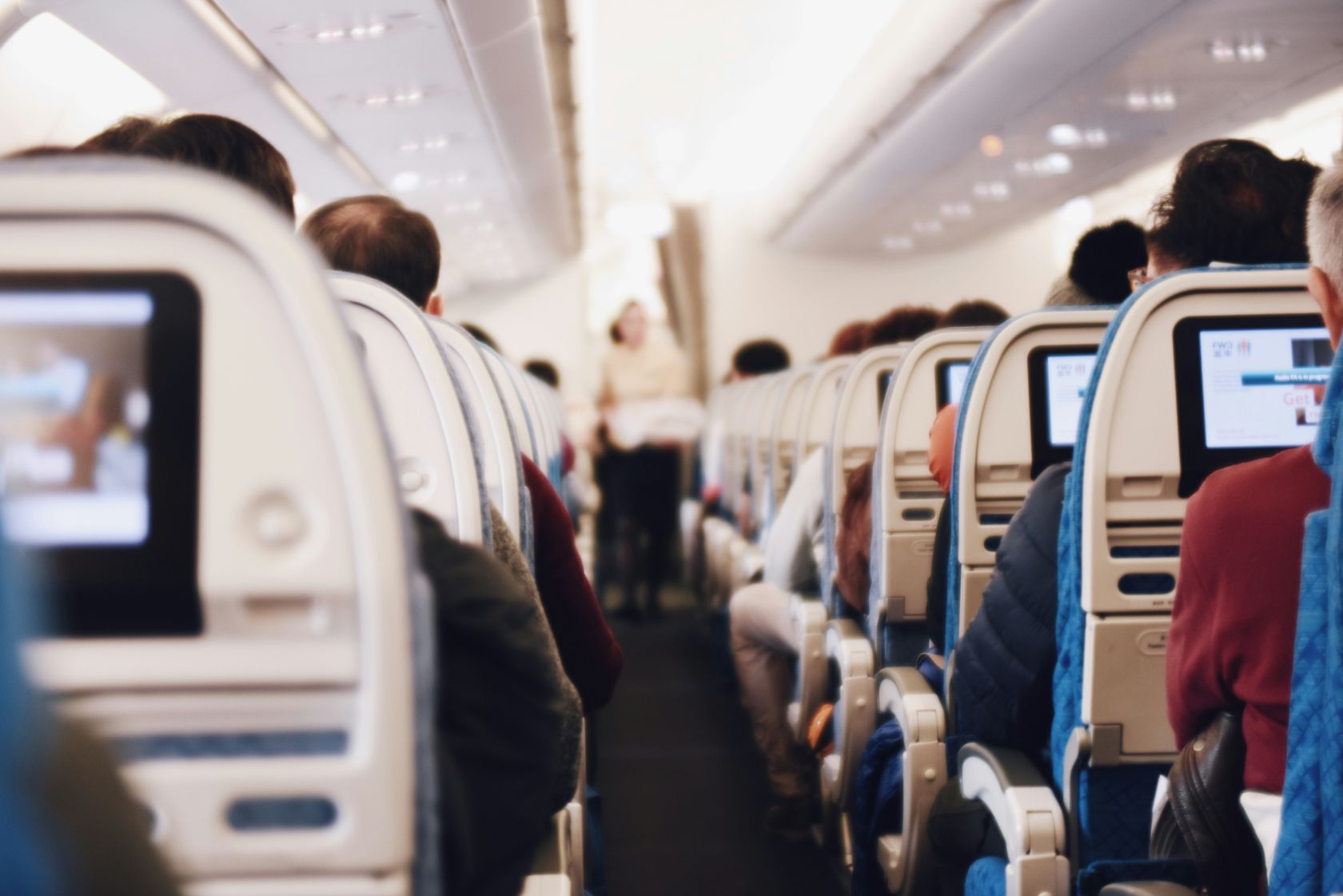
According to the European Union Aviation Safety Agency (EASA), reports of unruly passenger behaviour increase significantly during the busy summer travel season as leisure flights become more frequent across Europe. The agency estimates that an incident involving disruptive passengers occurs roughly every three hours within the EU, with around 70% involving verbal or physical aggression.
Disruptive behaviour
Figures from the International Air Transport Association (IATA) also show that disruptive behaviour remains a growing issue. Based on reports from more than 140 airlines, the organisation recorded one incident for every 355 flights during 2025, with failure to follow cabin crew instructions and alcohol-related behaviour among the most common causes.
However, legal experts say airlines cannot automatically avoid paying compensation simply because another passenger caused a disruption.
Qualify for compensation
Under EU Regulation 261/2004, passengers may qualify for compensation of up to €600 if their flight arrives more than three hours late, is cancelled at short notice or is significantly disrupted, unless the airline can prove the event resulted from genuine extraordinary circumstances.
Aviation lawyer Cristiana Toscano, from AirAdvisor Portugal, says carriers must demonstrate that the incident was genuinely unforeseeable, outside their control, directly responsible for the disruption and that all reasonable steps were taken to minimise its impact.
She notes that if a passenger was clearly intoxicated or behaving aggressively before boarding and was still allowed onto the aircraft, an airline may struggle to rely on the extraordinary circumstances defence.
Anton Radchenko, CEO of AirAdvisor, says some airlines use disruptive passenger incidents as a broad explanation for delays without providing sufficient evidence.
“The burden remains on the airline to prove that the situation could not reasonably have been prevented,” he said, adding that witness statements, crew reports and boarding records may all become relevant when assessing a compensation claim.
Request a written explanation
Passengers affected by delays are advised to request a written explanation from the airline, keep records of departure and arrival times, save receipts for any additional expenses and avoid accepting travel vouchers before understanding their legal rights.
Even where compensation is disputed, airlines may still be required to provide meals, accommodation and transport assistance during significant delays, depending on the circumstances.
With summer expected to bring another surge in air travel across Europe, experts say passengers should be aware that disruption caused by another traveller does not automatically mean they lose their right to compensation.








 English
 Nederlands
 Deutsch
 Français
 Español
 Italiano
 Svenska
 Pусский
 中文
中文 Türkçe
 Português
 Polski
 عربي
عربي Suomi
Suomi עִברִית
 Português (Brasil)
Follow us on social media