


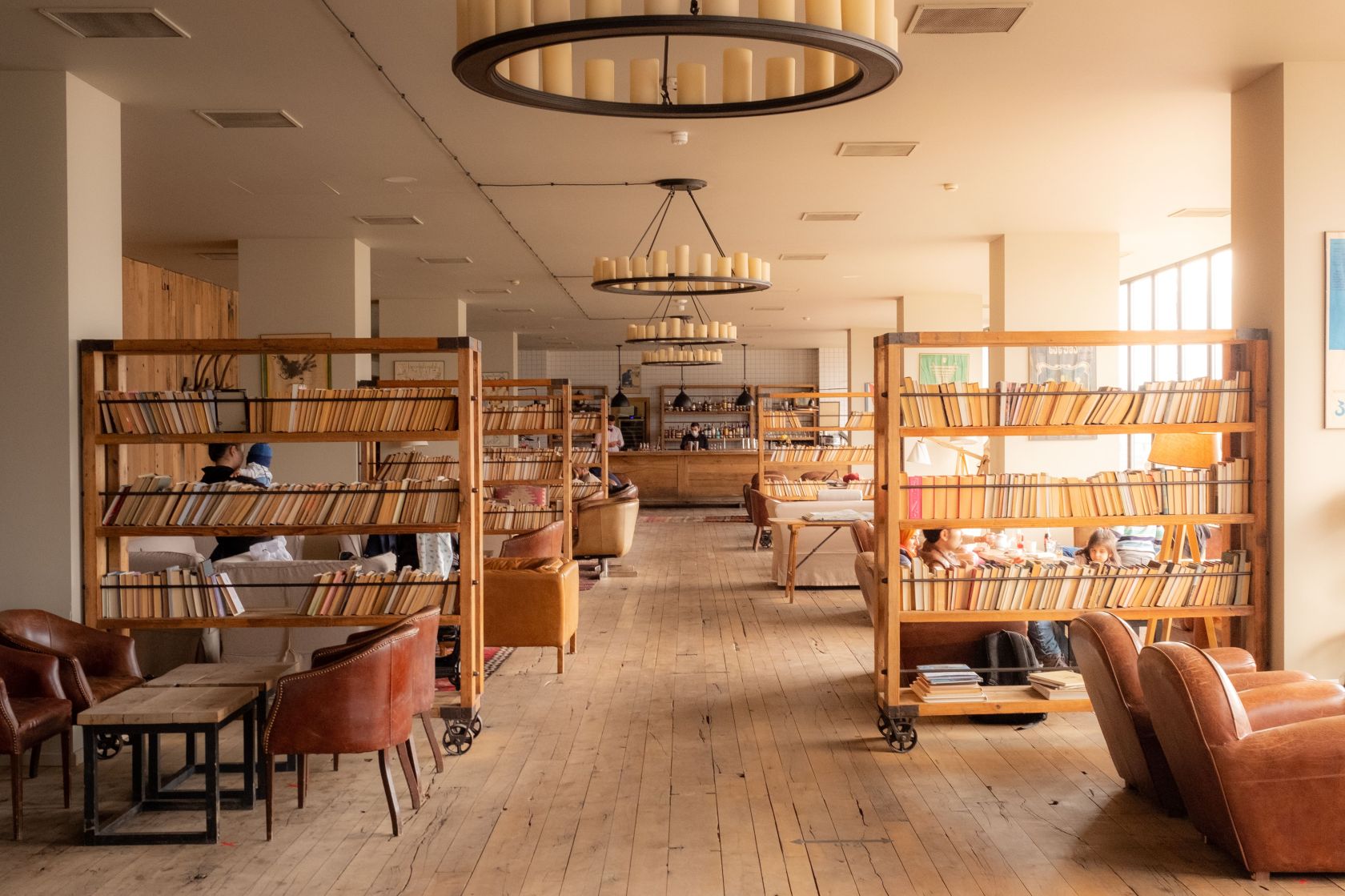
In my youth, I used the library a lot. I would stagger home with my bag of books to read for the month, and there were so many choices - biographies, fiction, travel, history – you name it, there was something in print about it.
But these days, isn’t everything you want to read available online? There are even digital subscription services specifically designed for academic and professional textbooks. Thousands of newspapers are online too, and they offer instant, 24/7 access to breaking news, allow for real-time article updates as stories develop, and, importantly, save physical paper.
So why do people still borrow books?
People still borrow books, maybe because it’s less risky and perhaps less costly than buying books that you might abandon because you didn’t like them once you started, so borrowing fills the gap. Lending deadlines might also create a sense of urgency to actually read the book, rather than letting your new purchase sit on your shelf gathering dust. Students still borrow books, though their habits have adapted to the digital age. While borrowing physical texts for temporary reading or reference remains common, many students now rely heavily on the digital route, but utilising a library can help bypass the cost of expensive textbooks.
Buying books?
People still buy books, perhaps because they may dislike screen-free reading, particularly if they spend the day looking at a screen for work, or perhaps they enjoy the tactile experience of the book itself. Buying means you can instantly own that bestseller to read at your leisure, thus avoiding a waiting list at the library for it.
Physical collections could even serve as personal status symbols - we have all heard of ‘coffee-table books’ that are a widely recognised lifestyle and cultural status symbol. High-end books are sometimes displayed to impress guests with perhaps your taste or worldly experience.
Even a business location might offer books in waiting areas or executive offices to push a company’s brand or values, or to serve as decor that communicates the business they are in. But most importantly, purchasing books provides direct financial support to authors so they can continue to produce work, which is something that we should perhaps pay more attention to.
So, back to libraries
Libraries have evolved into modern ‘third spaces’, and beyond borrowing books, you can usually study, work remotely, access free high-speed Wi-Fi, and use digital lending platforms. They also host community events, professional training, and children's activities, and in Portugal and probably elsewhere, historic sites serve as major tourist attractions. Modern libraries are evolving into the ‘hubs of things’, and if you want to bypass the books entirely, you can check out musical instruments and video games, stream movies for free, use professional creation software, or test out new hobbies using tool and board game collections.
Albufeira library hosts the ‘Férias Escolares + Diversão = Biblioteca’ programme. Running in July and August, this educational and recreational morning programme provides engaging, supervised workshops (such as arts, crafts, and storytelling) for children aged 6 and older. In Lisbon, the public library network (BLX) hosts free events across the city, including author talks, reading clubs, and live performances. Cultural gatherings have included historical colloquiums, surrealist improv theatre, and the community favourite, Biblioteca Itinerante (mobile library) van, which tours various neighbourhoods, squares and parks across the city.
Libraries themselves aren’t dead, just being utilised differently. They are changing and developing. While physical book loans may have dropped, public libraries are successfully transforming into community centres, accessible tech hubs, and digital repositories.
Lastly what motivation is there to become a librarian?
You might think it would be sitting around all day reading, but that is unlikely! If you ask a librarian what their motivation is, they might respond that they like working with people to help them find the resources they need, love organising information and figuring out how to present it, or love storytelling and working with kids. Nowadays, being a librarian goes far beyond simply reading or organising books; it combines public service, technology, research, and education.
Set The Portugal News as your preferred source for news on Google
 Add as a preferred source on Google








 Portugal Handbook
 English
 Nederlands
 Deutsch
 Français
 Español
 Italiano
 Svenska
 Pусский
 中文
中文 Türkçe
 Português
 Czech
Czech Hungarian
 Polski
 عربي
عربي Suomi
Suomi עִברִית
 Português (Brasil)
I think the use of the library could be better known amongst the English-speaking community. I've twice gone through patches of using the library to read in portuguese - starting with books for tiny children that I'd read 4 a week (one sentence per page), and later with easy-reading detective stories for adults. It is an excellent resource for improving one's portuguese.
By Elspeth Parris from Beiras on 11 Jul 2026, 12:07