


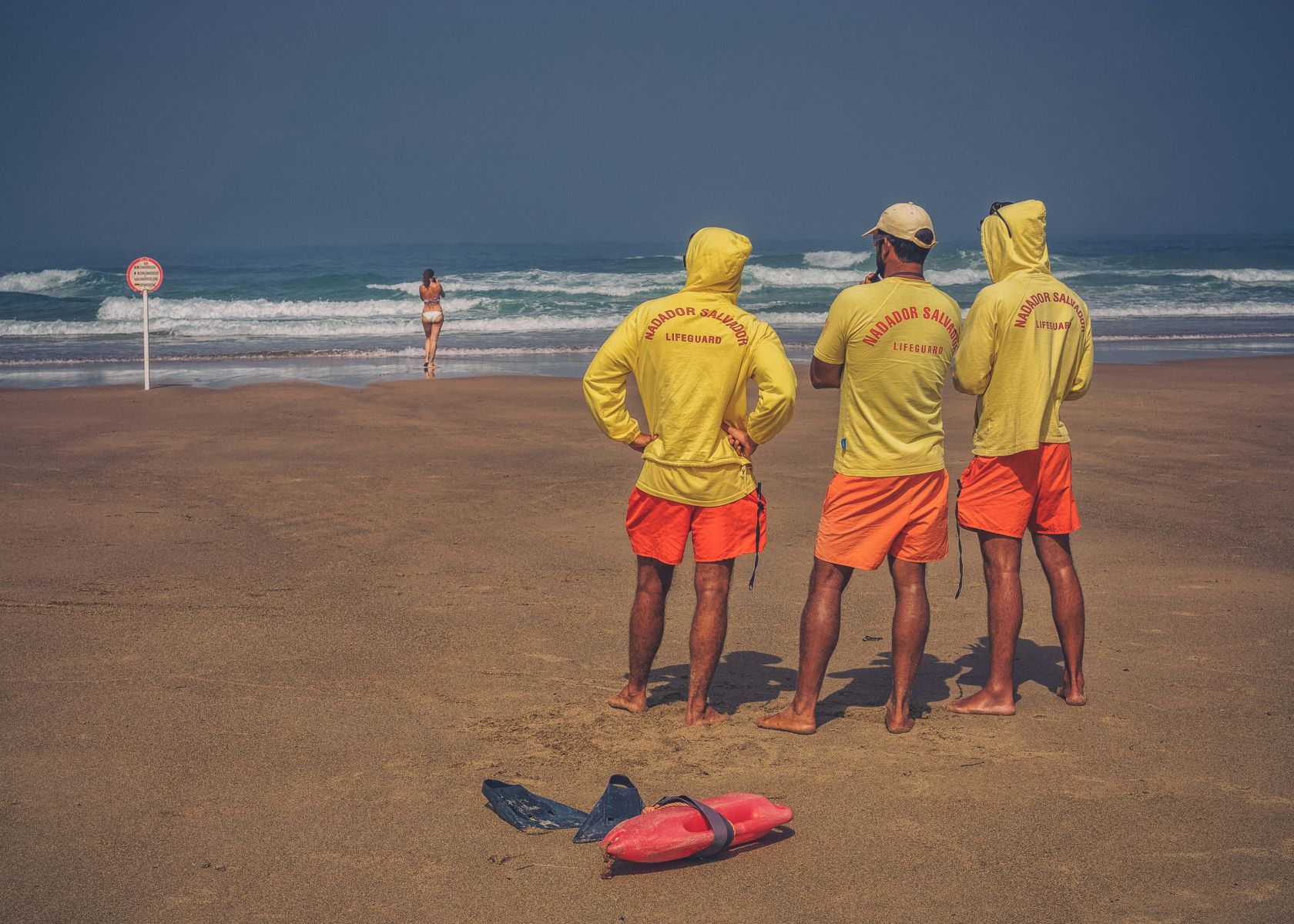
Every summer, millions of residents and visitors head to the coast to swim, surf, paddleboard and relax in the sunshine. While Portuguese beaches are among the safest and cleanest in Europe, the Atlantic Ocean deserves respect. Understanding local conditions and following a few simple precautions can make the difference between an unforgettable day and a dangerous situation.
Choose Lifeguarded Beaches
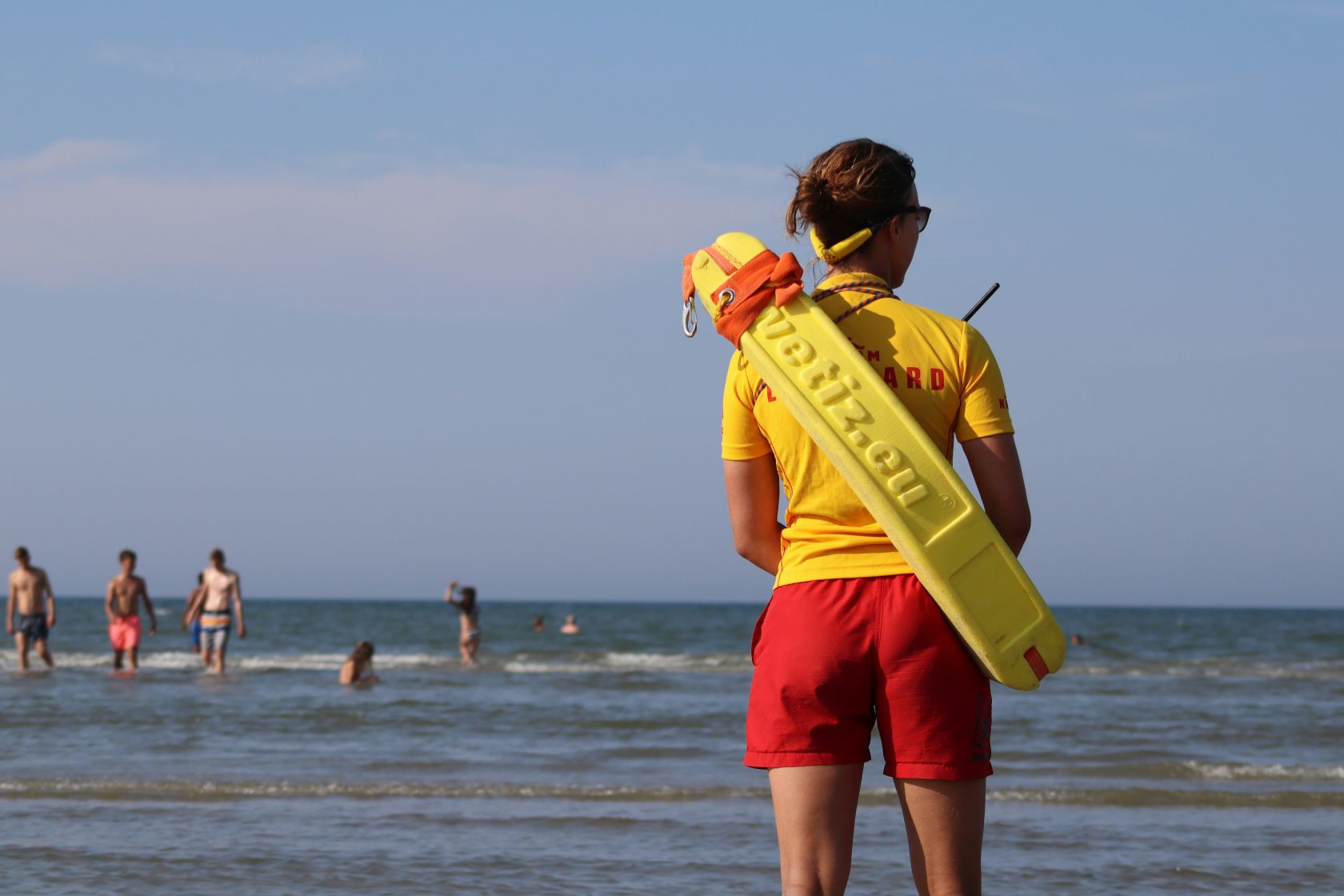
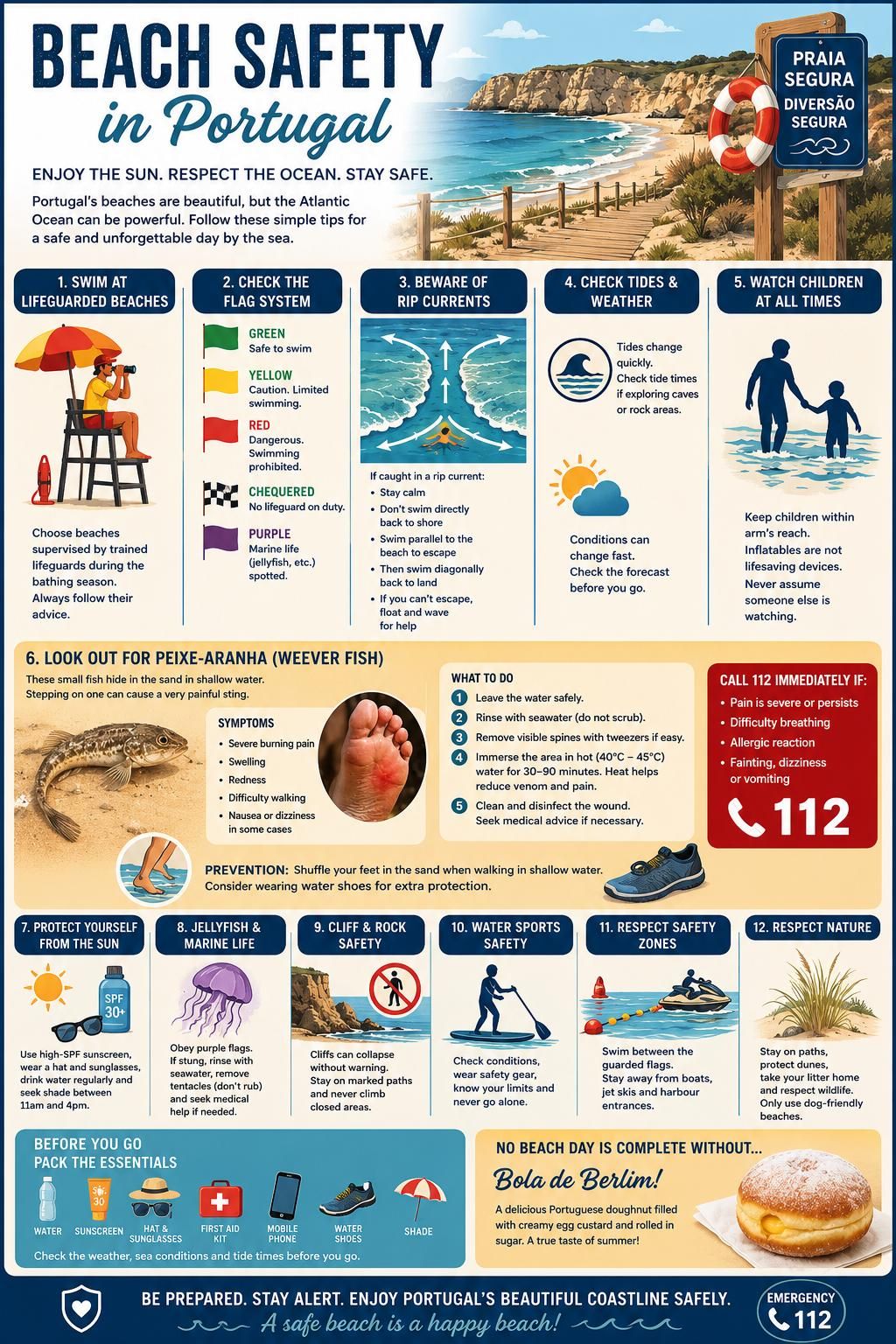
Whenever possible, swim at beaches supervised by trained lifeguards during the official bathing season. They understand local currents, tides and weather conditions and can respond quickly in an emergency.
Before entering the water, check the beach information board, which usually displays water quality, tide times, weather conditions, emergency contacts and safety warnings. If lifeguards advise against swimming, always follow their instructions.
Know the Beach Flags
Portugal uses an internationally recognised flag system:
- Green – Safe conditions for swimming.
- Yellow – Swim with caution; inflatables are not recommended.
- Red – Swimming is prohibited due to dangerous conditions.
- Chequered – The beach is temporarily unsupervised.
- Purple – Dangerous marine life, such as jellyfish or Portuguese Man o’ War, has been spotted.
Never ignore a red or purple flag, even if the sea appears calm.
Beware of Rip Currents
Rip currents are one of the greatest dangers along Portugal’s coastline. These narrow channels of fast-moving water can pull swimmers away from shore surprisingly quickly.
Signs include darker patches of water, fewer breaking waves and foam or seaweed moving out to sea.
If caught in a rip current, stay calm. Don’t swim directly back to shore. Instead, swim parallel to the beach until you escape the current, then head back to land. If you can’t escape, float, conserve your energy and wave for help.
Respect the Atlantic
Unlike the Mediterranean, the Atlantic can change rapidly. Powerful waves, strong surf, undertows and cold water are common, even on sunny days.
Never turn your back on the sea while standing near the shoreline or on rocks. Unexpected rogue waves can sweep people into the water without warning.
Watch the Tides
Portugal experiences significant tidal changes. Low tide often reveals rock pools, caves and wide sandy beaches, but the incoming tide can quickly cut off access.
If you’re exploring caves or walking beneath cliffs, check the tide times before you go and allow plenty of time to return. Every year, emergency services rescue visitors who become trapped by rising water.
Keep Children Close
Children should always remain within arm’s reach near the water, regardless of their swimming ability.
Inflatable toys and air mattresses are not lifesaving devices and can drift offshore quickly. Young children should wear suitable flotation aids where appropriate, and supervision should never be assumed.
Protect Yourself from the Sun
Summer temperatures in Portugal regularly exceed 35°C, particularly in the Algarve.
Drink plenty of water, wear a hat and sunglasses, use high-factor sunscreen and seek shade during the hottest part of the day, usually between 11am and 4pm.
Watch for signs of heat exhaustion, including headaches, dizziness, nausea and confusion. Young children and older adults are especially vulnerable.
Watch Out for the Weever Fish (Peixe-Aranha)
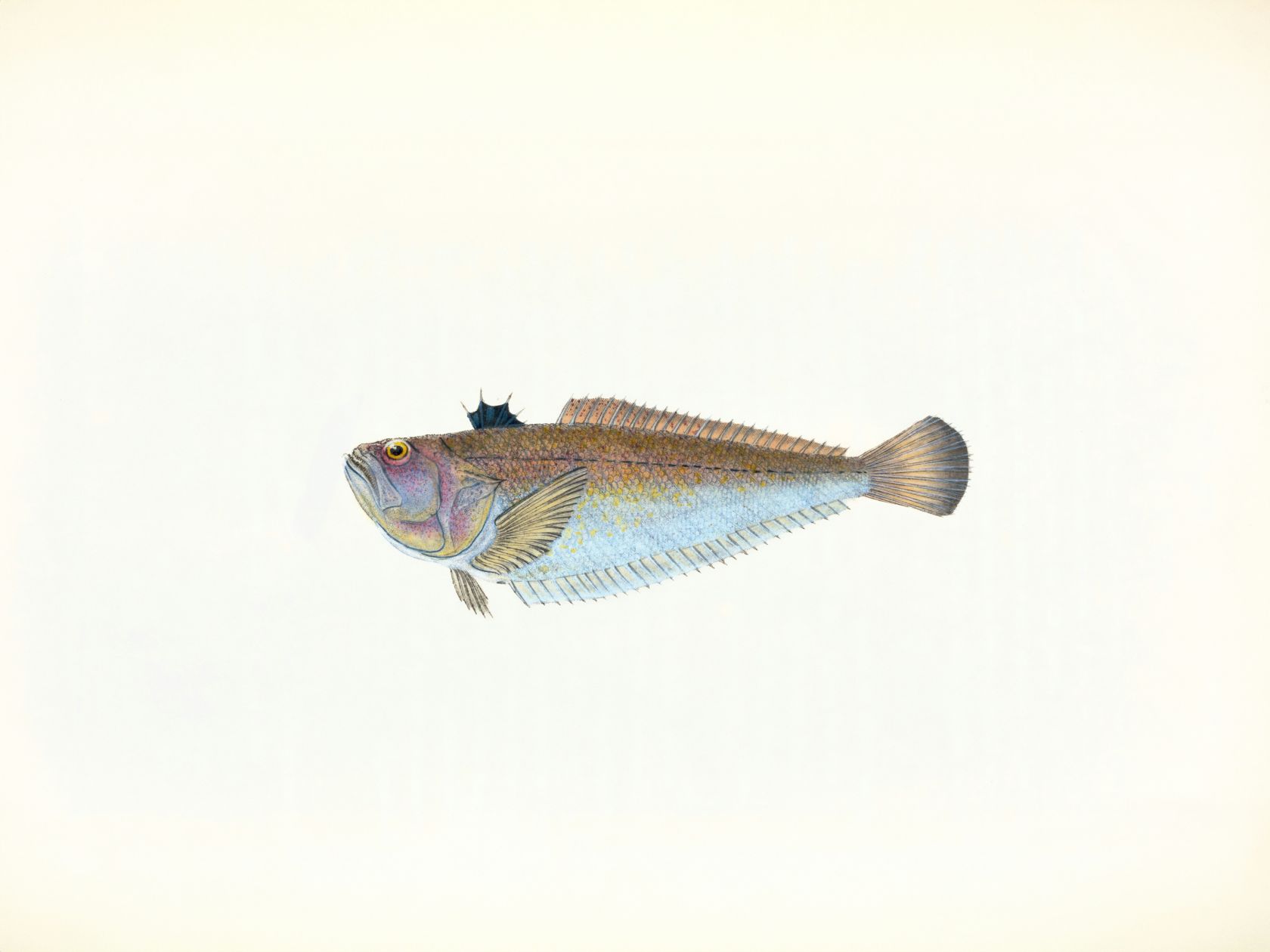
One of Portugal’s lesser-known beach hazards is the weever fish, or peixe-aranha. This small, sand-coloured fish buries itself beneath the seabed in shallow water, making it difficult to spot.
Stepping on one can cause an extremely painful sting from its venomous dorsal spines. Symptoms include severe burning pain, swelling, redness and difficulty walking, while some people may also experience dizziness or nausea.
If stung:
- Leave the water safely, and approach the lifeguards.
- Rinse the area with seawater without scrubbing.
- Remove any visible spines carefully with tweezers.
- Immerse the affected area in hot (40–45°C) water for 30 to 90 minutes, as heat helps neutralise the venom and relieve pain.
- Clean and disinfect the wound and seek medical advice if needed.
Call 112 immediately if the pain is severe or persistent, or if there is difficulty breathing, an allergic reaction or fainting.
To reduce the risk, shuffle your feet through the sand rather than taking large steps, encouraging the fish to move away before you step on it. Water shoes also offer extra protection.
Jellyfish and Portuguese Man o’ War (Bluebottle)
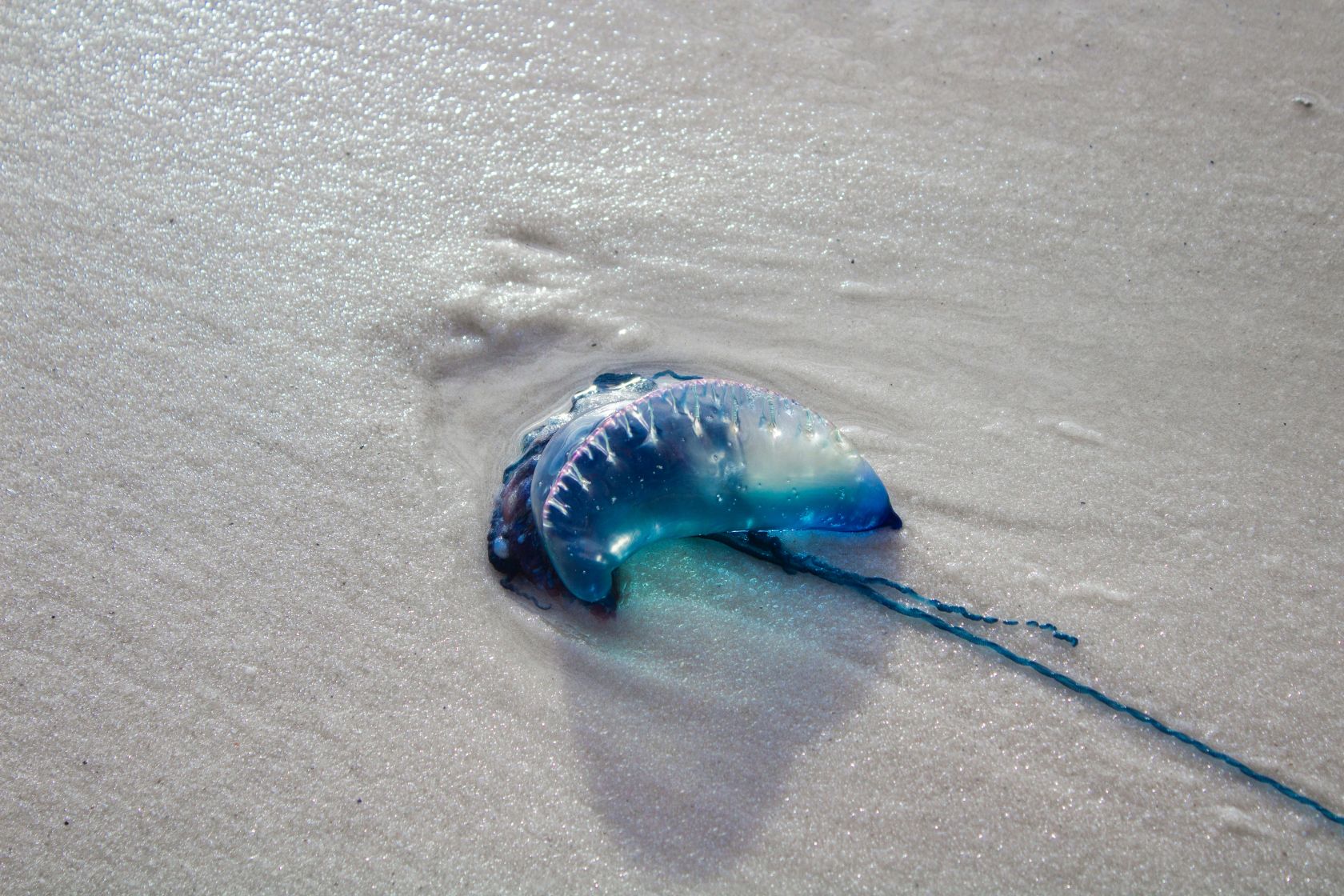
Jellyfish and Portuguese Man o’ War occasionally appear along Portugal’s coast. Even those washed up on the beach can still sting.
If stung, rinse the area with seawater, avoid rubbing the skin, carefully remove any visible tentacles and seek medical attention if symptoms become severe. Purple warning flags indicate dangerous marine life has been spotted.
Stay Clear of Cliffs
Portugal’s coastal cliffs are beautiful but unstable. Rockfalls can happen without warning, even on calm days.
Avoid sitting beneath cliffs, climbing closed paths or ignoring warning signs.
Water Sports
Portugal is world-famous for surfing, kayaking, paddleboarding and bodyboarding.
Before heading out, check weather and sea conditions, wear appropriate safety equipment, stay within your abilities and avoid going alone in unfamiliar waters. If hiring equipment, ask local instructors about currents and hazards specific to that beach.
Respect Nature
Many Portuguese beaches are home to protected dunes, nesting birds and fragile ecosystems.
Stay on marked paths, avoid walking over dunes, take your litter home and respect wildlife. Small actions help preserve these beautiful coastal environments for future generations.
Before You Go
Pack plenty of drinking water, sunscreen, a hat, sunglasses, a fully charged mobile phone, a basic first-aid kit and water shoes if you’re exploring rocky areas. Before leaving home, check the weather forecast, sea conditions and tide times.
No Portuguese Beach Day Is Complete Without a Bola de Berlim
After all the talk of tides, rip currents and sunscreen, it’s worth remembering that a day at the beach in Portugal is also about enjoying one of the country’s favourite summer traditions.
Sooner or later, you’ll hear beach vendors calling “Olha a Bolaaaaa… Berlim!” as they stroll across the sand carrying baskets of fresh Bolas de Berlim.
Portugal’s version of the Berliner doughnut is deep-fried until golden, coated in sugar and traditionally filled with a rich egg custard (creme de ovo). While plain versions exist, most Portuguese would agree that the custard-filled variety is the true beach classic.
Enjoying a freshly bought Bola de Berlim while listening to the Atlantic waves is a nostalgic summer ritual for generations of Portuguese families. Just remember to brush off the sugar before heading back into the sea!
Enjoy Portugal’s Coast Responsibly
Portugal’s beaches consistently rank among Europe’s best, offering spectacular scenery, excellent facilities and outstanding water quality. By respecting the ocean, paying attention to lifeguards and beach flags, understanding tides and currents, and staying aware of hazards such as the weever fish, you can enjoy the coastline with confidence.
After all, the best beach memories are the ones that end with everyone returning home safely.








 Portugal Handbook
 English
 Nederlands
 Deutsch
 Français
 Español
 Italiano
 Svenska
 Pусский
 中文
中文 Türkçe
 Português
 Czech
Czech Hungarian
 Polski
 عربي
عربي Suomi
Suomi עִברִית
 Português (Brasil)
Follow us on social media