


Not quite.
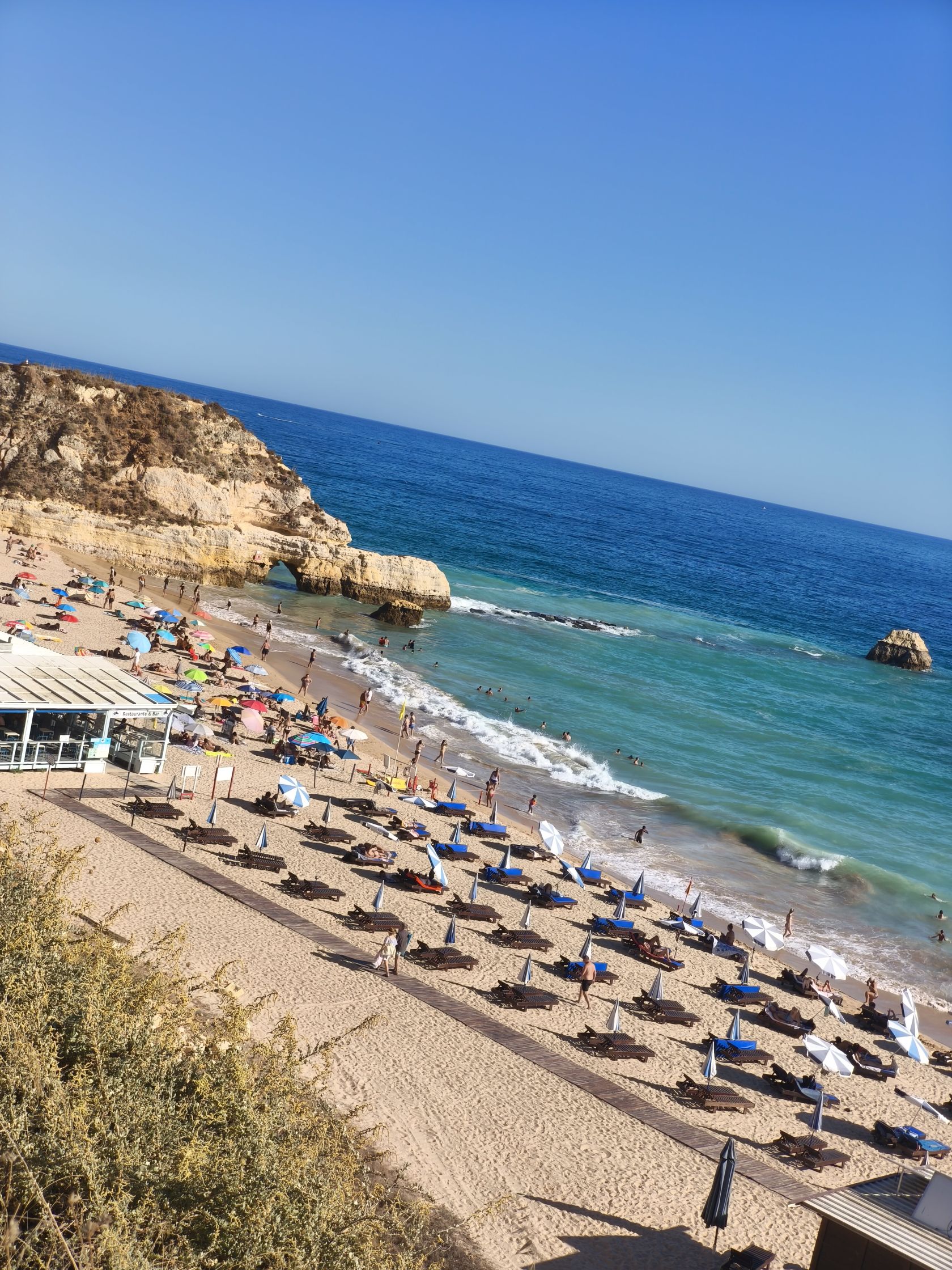
Once you begin exploring, the differences become clear. The calm islands of the east feel very different from the golden cliffs of the central coast, while the wild landscapes around Sagres could almost belong to another region entirely. Toward inland the busy resorts soon disappear, replaced by mountains, historic towns and quiet country roads.
Around half a million people live in the Algarve throughout the year, but the population rises considerably during summer as visitors and seasonal residents arrive.
Traditionally, the region was divided into two parts: the Barlavento in the west and the Sotavento in the east. The names relate to the wind, with Barlavento meaning the windward side and Sotavento the more sheltered, leeward side.
The Algarve itself also takes its name from the Arabic Al-Gharb, meaning “the west”, as it was the westernmost territory of Muslim Al-Andalus.
Although Barlavento and Sotavento are still commonly used by locals, it can be easier for visitors to think of the Algarve as eastern, central, western and inland. Each has its own character—and even neighbouring towns can have completely different personalities.
So, if you are planning a holiday in the Algarve—or perhaps thinking about moving here—choosing the right area can make a big difference. To make that choice a little easier, we have put together a guide to the different parts of the Algarve, what you can expect from each one and who they are best suited to.
Eastern Algarve
Best known for: traditional fishing towns, a slower pace of life, local character, the Ria Formosa and long sandy beaches.
Arriving from Spain, the first Portuguese town is Vila Real de Santo António, sitting beside the Guadiana River. Its wide, straight streets and grand central square give it a different appearance from many older Algarve towns. Spain is only a short ferry journey away, making it possible to have lunch in another country without even getting into a car.
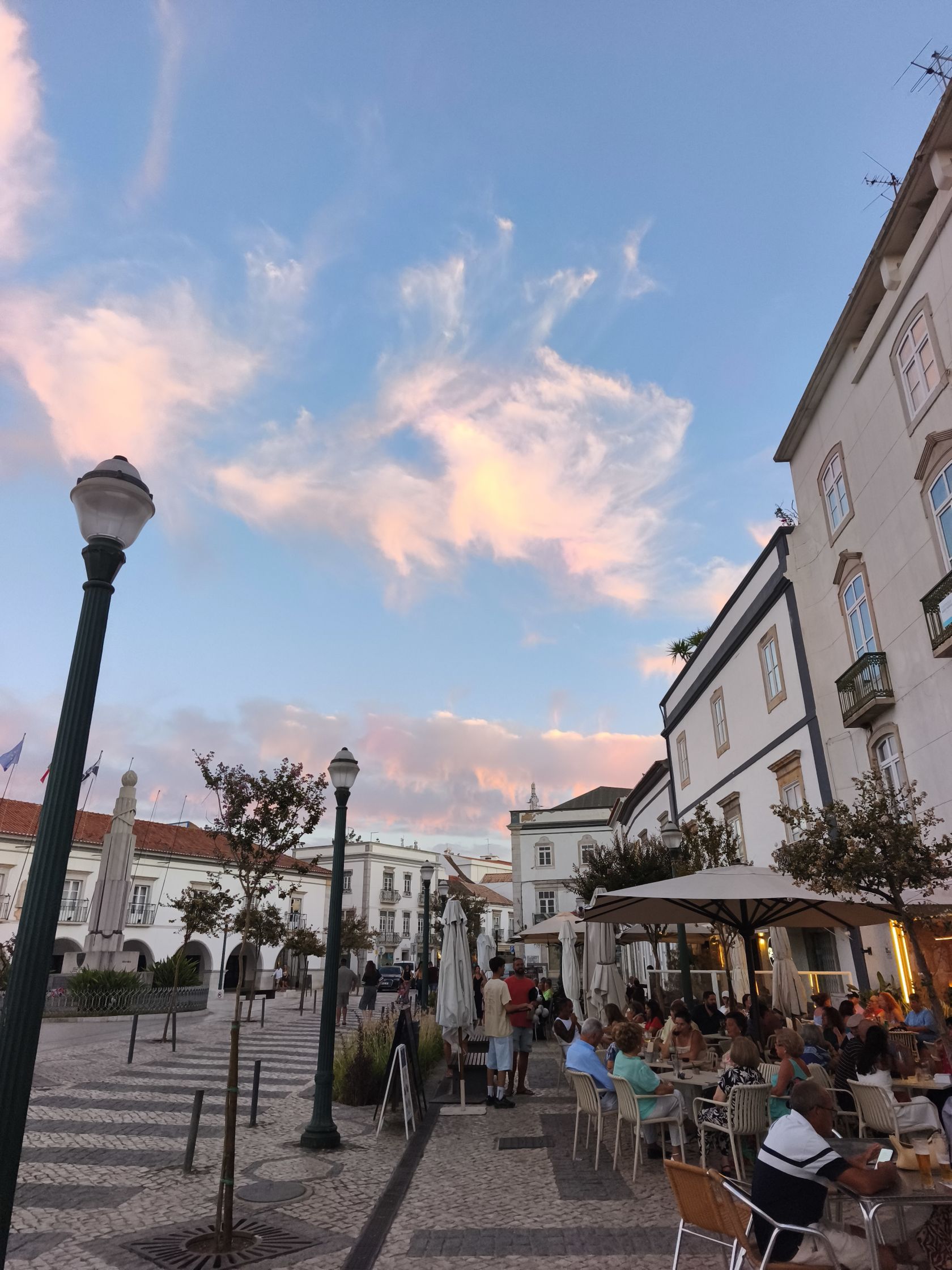
Further west is Tavira, one of the Algarve’s most charming towns. Its cobbled streets, small cafés and independent shops create a relaxed atmosphere, while the River Gilão flows through its centre. The town’s elegant bridge is one of its most recognisable sights, but Tavira is best enjoyed slowly, without rushing between attractions.
Olhão has a livelier, more down-to-earth personality. Closely connected to fishing, it is known for its waterfront markets, housed in two distinctive red-brick buildings. One is dedicated mainly to fish and seafood, while the other is filled with fruit, vegetables, cheese, meat and regional products. On Saturday mornings, the surrounding waterfront becomes especially busy as local producers set up outside. The markets have recently gained national recognition too, after being named one of the New 7 Wonders of Portugal 2026, winning in the 20th Century category.
From both Tavira and Olhão, ferries and boats travel to the islands of the Ria Formosa. The beaches here do not have the dramatic cliffs found further west. Instead, expect long stretches of sand, calm surroundings and a more open landscape.
Central Algarve
Best known for: popular resorts, entertainment, family attractions and easy access to Faro Airport.
Faro sits between the eastern and central Algarve and is the region’s capital. Many visitors pass through without seeing more than the airport, but Faro is a working Portuguese city with a beautiful historic centre, a marina and plenty of local life throughout the year. Praia de Faro, reached across the Ria Formosa, brings a completely different atmosphere, with beach houses, simple restaurants and water on both sides of the narrow strip of land.
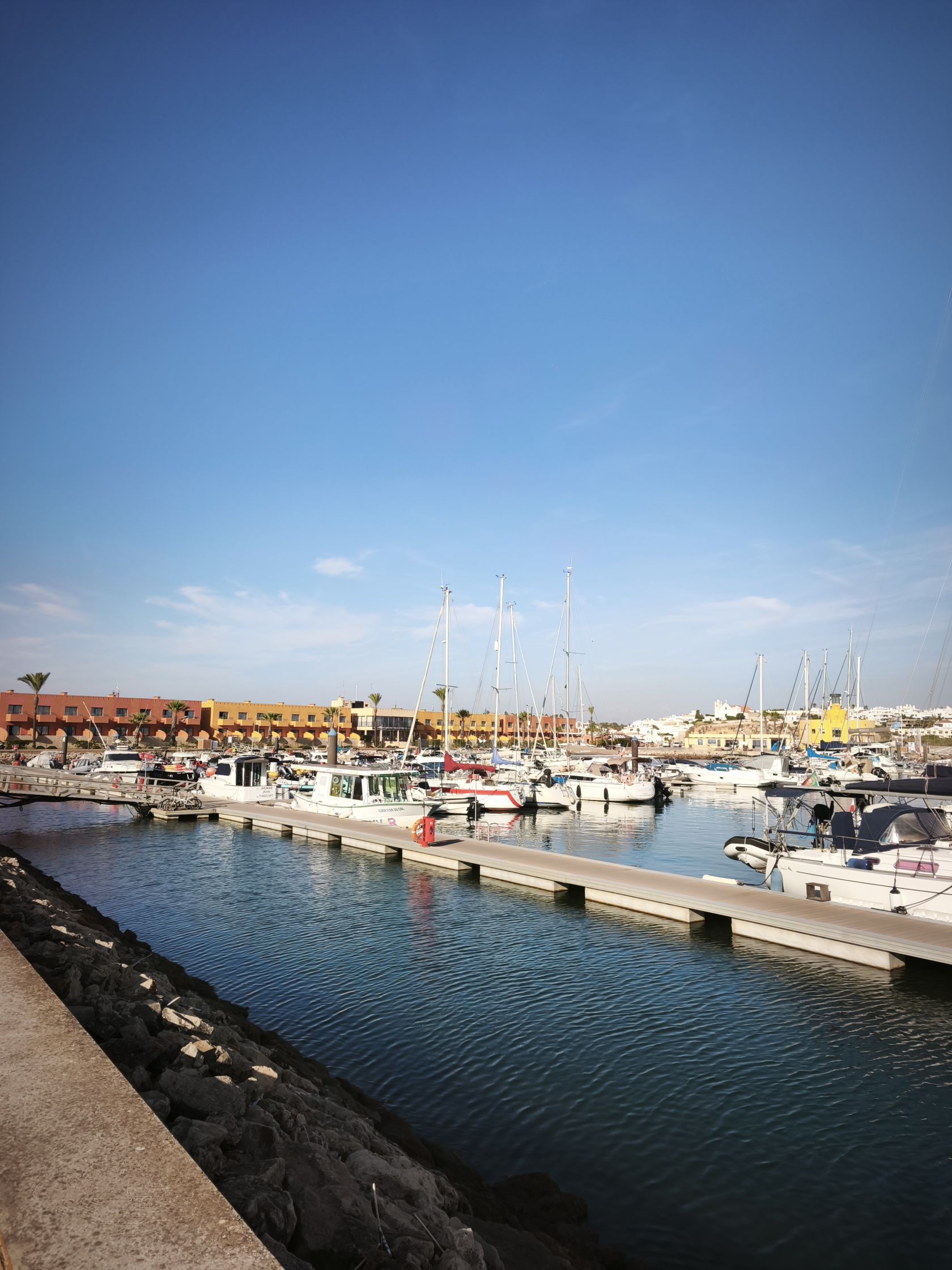
Vilamoura feels more polished and international. Life revolves around its marina, where yachts sit beside stylish restaurants, cafés and bars. Together with its golf courses and large hotels, it is a good choice for anyone who enjoys comfort, convenience and a resort atmosphere.
Albufeira is now famous for nightlife, particularly around the Strip, but that is only one side of the town. Its Old Town has narrow streets, busy squares and direct access to the beach through a tunnel. An outdoor escalator and the Elevador do Peneco connect different levels of the town, which is built around steep slopes overlooking the sea.
Further west, Lagoa is a traditional town surrounded by some of the Algarve’s most photographed coastline. The wider municipality includes Carvoeiro, Ferragudo and Porches, each with a very different feel. Carvoeiro is a lively former fishing village built around a small beach, while Ferragudo has retained a quieter, village atmosphere beside the Arade River.
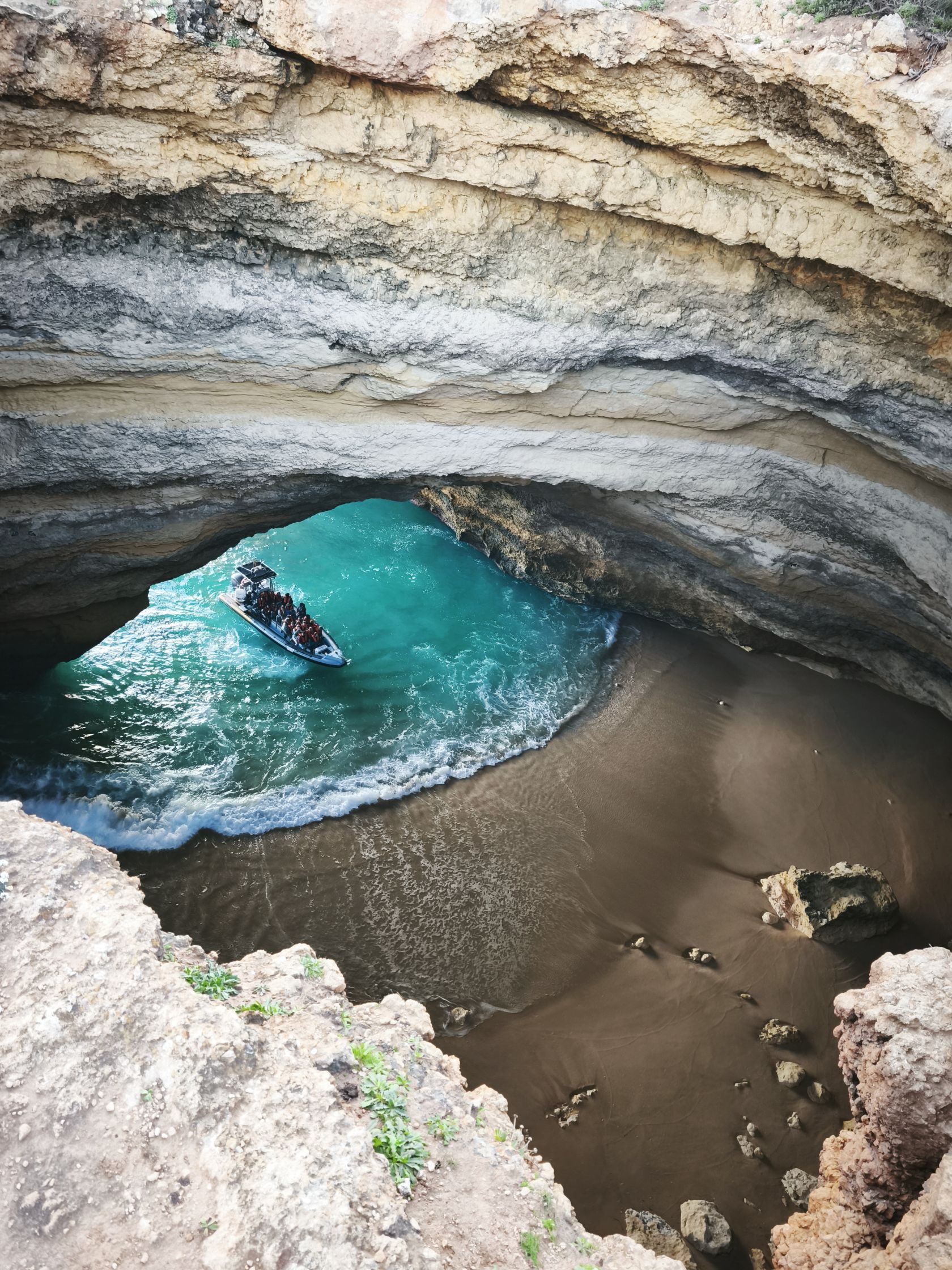
The municipality is also home to Benagil Cave and Praia da Marinha. The Seven Hanging Valleys Trail connects the area through a spectacular clifftop route, although it is best walked outside the hottest part of the day.
Portimão is one of the Algarve’s largest cities. Its prosperity was once closely linked to fishing and the canned-fish industry, a history explored at the local museum. Today, the riverside area is popular for walks and relaxed lunches, while nearby Praia da Rocha offers a much busier holiday atmosphere with a huge beach, hotels, restaurants and nightlife.
Western Algarve
Best known for: dramatic cliffs, surfing, wild beaches and a more independent atmosphere.
Lagos offers an easy introduction to the western Algarve. Its compact historic centre is filled with restaurants, cafés and tiled streets, while beaches such as Praia Dona Ana and Praia do Camilo being among the most beautiful in the coast. Ponta da Piedade, with its rock formations and sea caves, is one of the region’s most memorable coastal sights.
Lagos remains lively for much of the year and attracts a mixture of local residents, international visitors, surfers and remote workers. It feels busy without having the full resort atmosphere of central Algarve destinations.
Continue west, and the landscape becomes increasingly open and rugged. Sagres is a laid-back surf town surrounded by cliffs, empty viewpoints and beaches exposed to the Atlantic. There are fewer large hotels and less nightlife, but that is exactly its appeal.
This part of the Algarve is for travellers who would choose a coastal walk, surf session or sunset on a cliff over a day beside a resort pool.
Inland Algarve
Best known for: peace, nature, hiking, history and traditional village life.
It does not take long to leave the holiday resorts behind. Drive inland, and the scenery changes to cork trees, orchards, hills and small villages where daily life moves at a gentler pace.
Monchique feels like a different world from the coast. Surrounded by mountains and greenery, it is known for hiking, viewpoints and local products. Nearby Caldas de Monchique is a tiny thermal village whose spring waters have been appreciated since Roman times. Honey and medronho, the strong local fruit spirit, are among the flavours associated with the area.
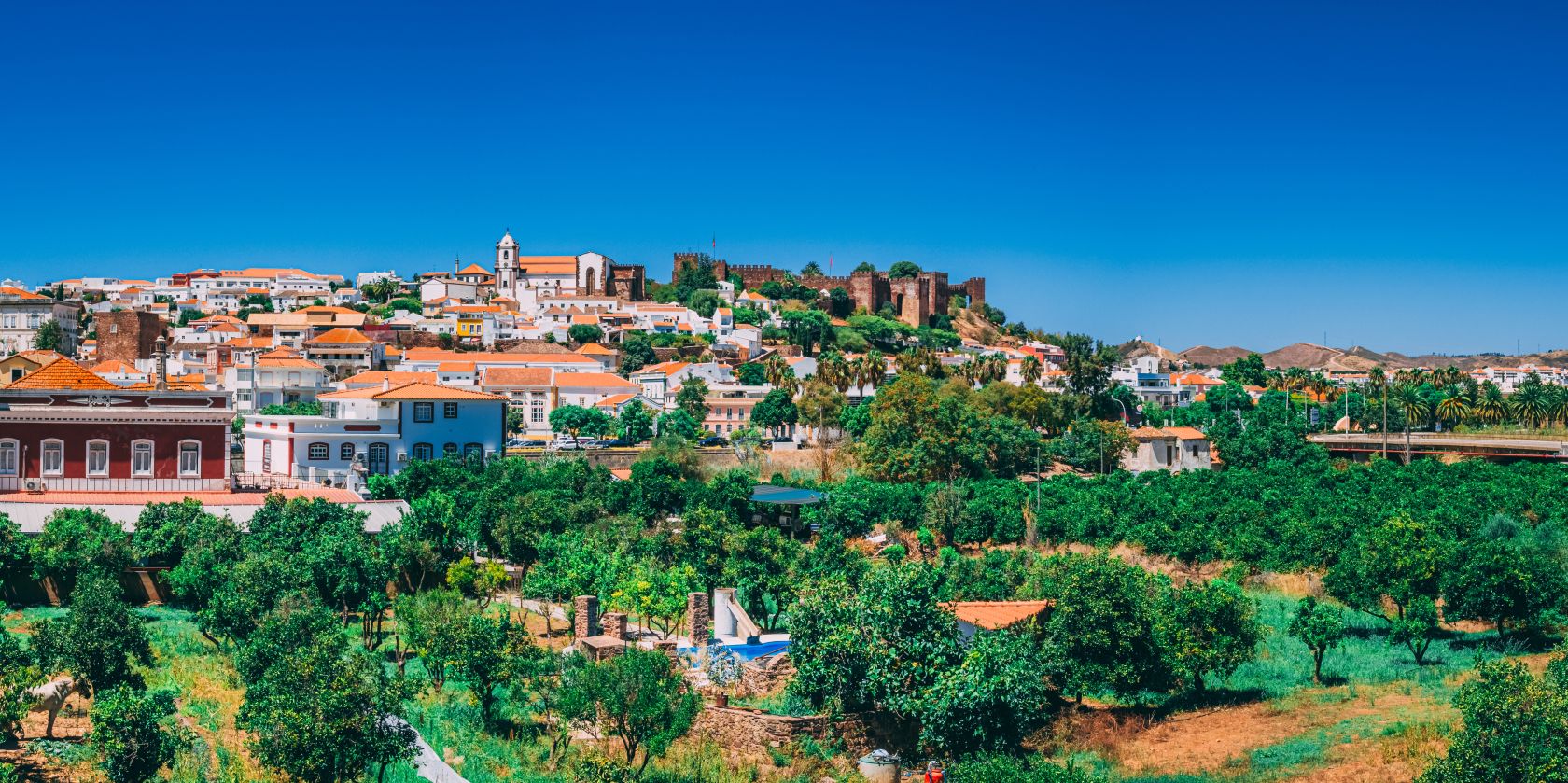
Silves is dominated by its red sandstone castle, one of the Algarve’s most impressive reminders of its Moorish past. The historic centre spreads down the hill towards the river, creating an atmosphere that feels far removed from the coastal resorts—even though the nearest beaches are only around 20 minutes away.
So, which part is best? That depends entirely on you. The east offers island beaches and slower towns, the centre brings resorts and entertainment, the west has wild scenery, and inland Algarve provides tranquillity and tradition.
The good news is that you do not have to choose only one. Driving from the Spanish border to Sagres takes around two hours, so wherever you stay, the rest of the Algarve is never completely out of reach.
 Add as a preferred source on Google










 Portugal Handbook
 English
 Nederlands
 Deutsch
 Français
 Español
 Italiano
 Svenska
 Pусский
 中文
中文 Türkçe
 Português
 Czech
Czech Hungarian
 Polski
 عربي
عربي Suomi
Suomi עִברִית
 Português (Brasil)
Follow us on social media