


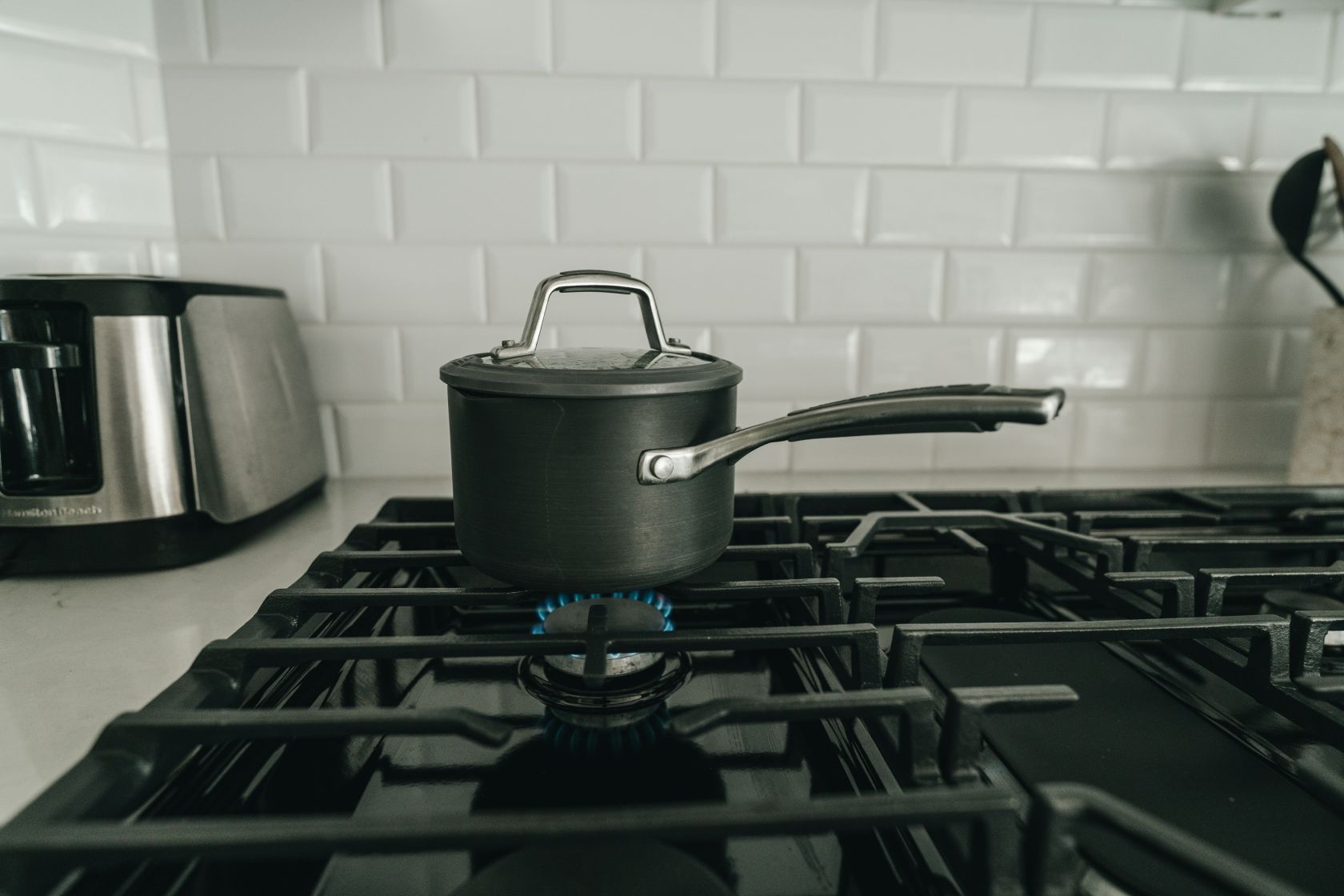
More than €66 million was allocated through the E-Lar programme to help households replace gas appliances with more efficient electric alternatives. However, just €23.7 million, or around 35% of the funding, went to households receiving Portugal’s social energy tariff.
Other households received approximately €42.2 million.
The programme, financed through Portugal’s Recovery and Resilience Plan (PRR), was introduced to encourage households to replace equipment such as gas cookers, ovens and water heaters with electric alternatives.
According to figures reported by Jornal de Notícias and Idealista, 52,940 vouchers were issued across the programme’s two phases. Of these, 16,203 went to social energy tariff beneficiaries, compared to 36,737 issued to other consumers.
The first programme provided for a more balanced distribution of funding between the two groups, but allowed unused money to be transferred when demand in one category was lower.
Thousands of applications unsuccessful
Demand for E-Lar was nevertheless substantial.
A total of 83,819 applications were recorded, but 39,590 were either rejected or not completed.
Almost 20,000 registrations did not progress beyond an initial expression of interest. At the same time, another 7,473 applications were rejected due to issues including irregular tax or Social Security status or problems with the property’s electricity delivery point code.
Support varied by appliance and the applicant’s circumstances. Under the programme, assistance was available for electric hobs, ovens and water heaters, as well as some associated installation and removal costs.
The first phase opened on 30 September 2025 and proved so popular that its €30 million allocation was exhausted within six days, after around 40,000 applications were submitted.
The Fundo Ambiental subsequently acknowledged that the scale of the programme imposed substantial pressure on participating suppliers. Delivery and installation delays caused a significant number of vouchers expiring, prompting authorities to extend the period available for suppliers to complete installations from 45 to 90 working days.
A second phase opened in December with additional funding. It was closed to new applications on 24 March 2026 during negotiations over Portugal’s PRR. However, the programme remains in its implementation stage, and participating suppliers have until 30 November to submit payment requests.
The figures raise questions about how easily households facing the greatest financial difficulties can access schemes intended to address energy poverty, even when considerable funding is available.
Environment and Energy Minister Maria da Graça Carvalho has indicated that the model could eventually be expanded to include other technologies, including solar panels. Further support is expected from 2027 through the EU’s Social Climate Fund.
 Add as a preferred source on Google







 Portugal Handbook
 English
 Nederlands
 Deutsch
 Français
 Español
 Italiano
 Svenska
 Pусский
 中文
中文 Türkçe
 Português
 Czech
Czech Hungarian
 Polski
 عربي
عربي Suomi
Suomi עִברִית
 Português (Brasil)
Follow us on social media