


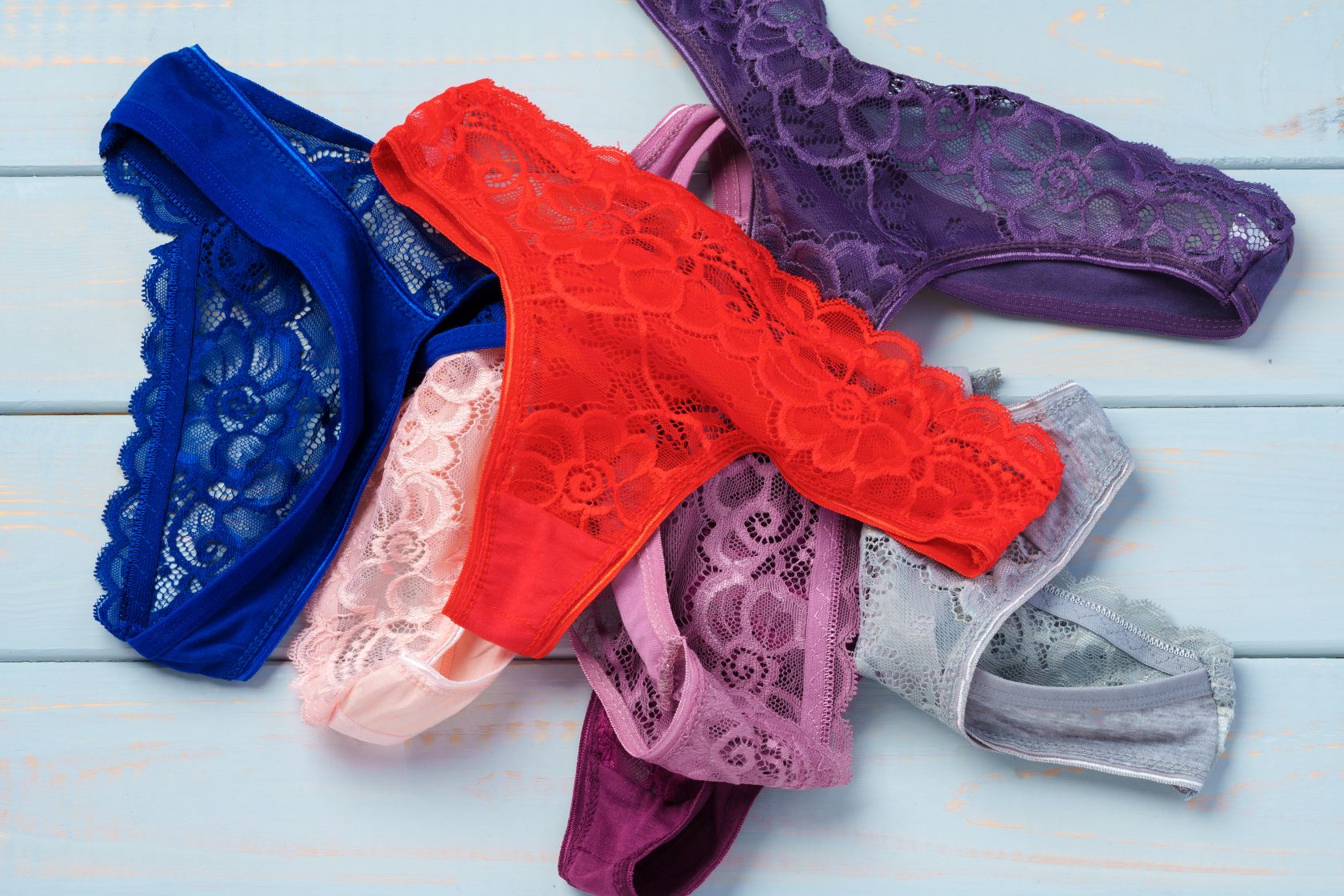
I wondered whether cavemen and women wore “undergarments”, and it seems they didn’t. My imagination ran riot, thinking that getting up one cold morning, they might have thought: blimey, it’s a bit draughty round the old nether regions, and gathered their animal skin clothes through their legs and up over a waistband of some sort, just to keep the frost off their “important” places.
It seems men were quicker “off the ball” (so to speak) in wearing undergarments, when they started wearing undergarments around 7,000 years ago, beginning with primitive loincloths in ancient civilisations like Egypt and Mesopotamia. Egyptians wore a linen wrap or loincloth called a shendit, and Romans wore a basic linen loincloth called a subligaculum under their tunics or togas for hygiene and protection. In the Middle Ages, men wore loose knee-length linen or wool underpants called braies, which were tied at the waist with a drawstring.
These in turn evolved in the 16th century into the codpiece, a prominent padded flap at the front of men's hose that highlighted the genital area as a symbol of status and fashion, popularised by King Henry VIII. This style began in the 15th century as a simple triangular piece of fabric (called a bray) used to cover the awkward gap left between separate, tightly tied men's hose (tights), as tunics and doublets became shorter. King Edward IV's parliament passed a law in 1463 requiring men to properly cover their “privy members and buttocks” after complaints of public indecency as men's coats and jackets grew shorter.
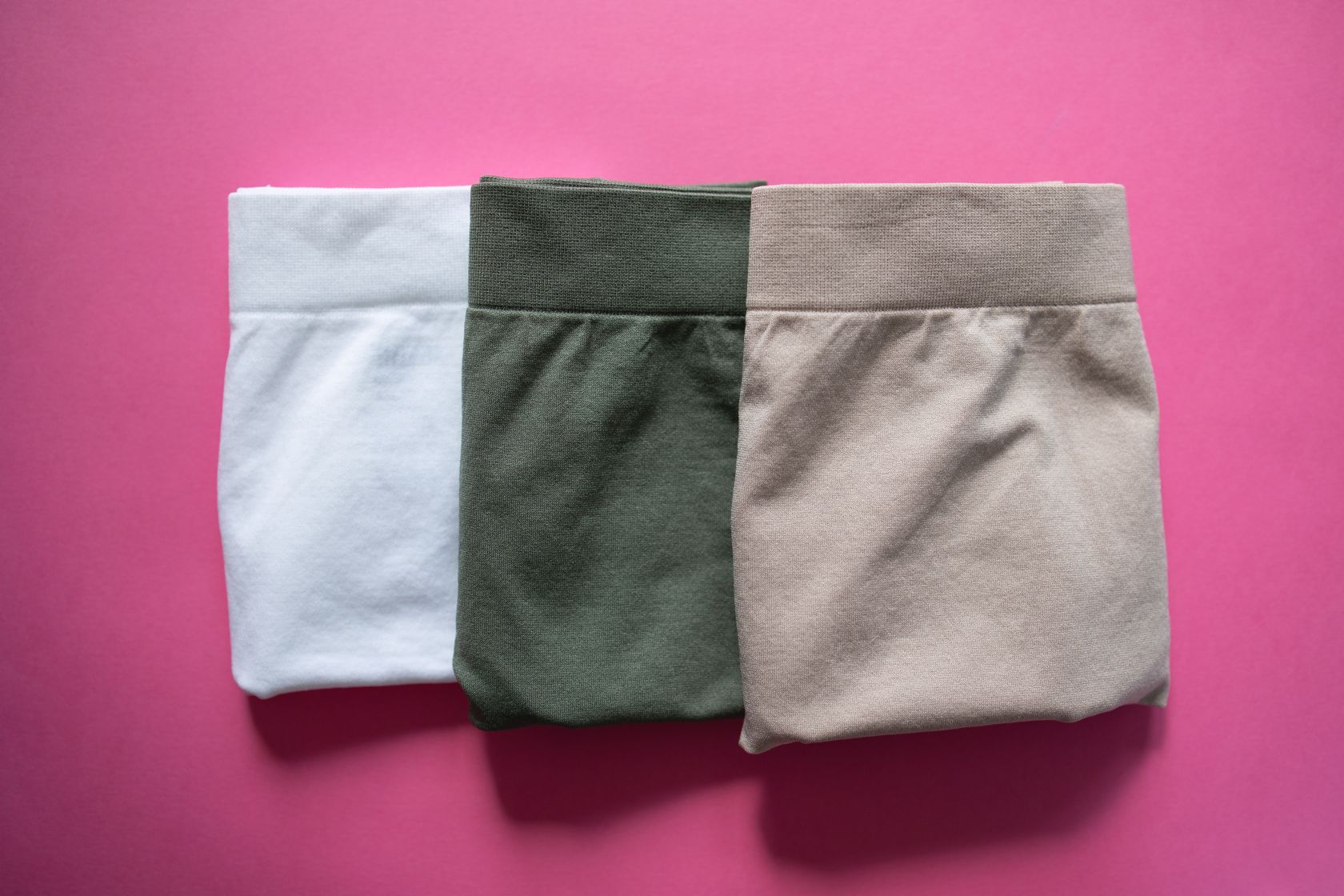
Undies for Women
In the past, women generally bared it all and didn’t wear knickers or crotch-covering underpants. Instead, what they wore underneath their outer garments depended heavily on their culture, region, and social class. Women's underwear has historically “lagged behind” men’s undies, basically because industry prioritised body-shaping, aesthetic appeal, and the male gaze over everyday ergonomics for centuries. Design flaws in mass production caused common issues: narrow gussets, scratchy synthetic fabrics that trap sweat or odour, and aggressive leg elastics, stemming from decades of designs that ignored comfort and biological health.
In Ancient Greece and Rome, women wore basic linen or leather bands and loincloths, such as the Greek apodesme or the Roman subligaculum (the same as the men's), which were used for light support, modesty, or athletic purposes. For centuries, Western women did not wear split-leg or closed-crotch underpants, but they wore a long, loose linen or cotton garment called a shift or chemise directly against the skin. Incidentally, open-crotch pants (known as kāidāngkù in China) were used for thousands of years as baby clothes for easy potty training and evolved into something women could wear without removing all their undergarments when “needs” arose.
Man Pants
Boxer shorts with elastic waistbands were introduced by Everlast in 1925, and supportive Y-front styles were launched by Cooper Inc. (Jockey) in 1935. Boxer briefs only debuted in the early 1990s, combining the two styles.
Long Johns were form-fitting undergarments with long legs, and have come a long way from the itchy, scratchy things you might remember. You can buy them made from Merino wool - ultra-fine wool that offers smooth, streamlined comfort and fit that regulates temperature without looking like pyjamas, or thermal minimal wear that looks stylish under slim-fit clothes. Then came the moisture-wicking, form-fitted tights that double as workout gear or underneath trousers for cold-weather layers.
A style that was popular for a while was the “string underwear” (no, not thongs for women) for men, which I personally am glad didn’t catch on. In my opinion, nothing was worse than seeing a man inside a string vest and pants looking all the world like something dragged up by a trawler, and certainly not ‘the catch of the day’.
The underwear market has become a massive global industry, currently being valued at close to €100 billion, and the choices are spectacular. But the Bridget Jones movie has led ladies to look for comfort, confidence, and underwear that's got your back—whether you're dashing through the snow or simply living your best.
You can’t beat Big Pants.
Set The Portugal News as your preferred source for news on Google
 Add as a preferred source on Google


 Portugal Handbook
 English
 Nederlands
 Deutsch
 Français
 Español
 Italiano
 Svenska
 Pусский
 中文
 Türkçe
 Português
 Czech
 Hungarian
 Polski
 عربي
 Suomi
 עִברִית
 Português (Brasil)

The sub-heading "The unsung heroes of comfort" is meant to be ironic as it is directly above a pic of uncomfortable thongs? Of course the pic probably drew in extra readers. LOL
By Michelle G from Alentejo on 31 Oct 2026, 08:59
The thing with thongs is they sing songs of comfort strong for bing-a-bongas
By Cavaleiro R from Other on 31 Oct 2026, 13:42