


However, information from the "Portuguese Holidays 2019-2026" study, conducted by the Portuguese Institute of Administration and Marketing (IPAM), this increase falls well short of the accumulated inflation over the same period.
Mafalda Ferreira, an IPAM professor and coordinator of the study, explains that this trend translates into a reduction of holiday budgets in real terms, forcing families to adopt cost-saving strategies and adjust their behaviour to keep their time off within their financial means, as wage increases have failed to keep pace with rising prices. This more cautious approach is supported by the figures, as 43% of those surveyed plan to spend less than in 2025, another 43% intend to maintain the same level of spending, and only 14% admit they will increase their expenses.
To cover these expenses, the holiday allowance remains a central pillar of funding, being used either fully or partially by 77% of Portuguese people, of whom 47% use it only in part and 30% rely on it entirely.
Alentejo Litoral
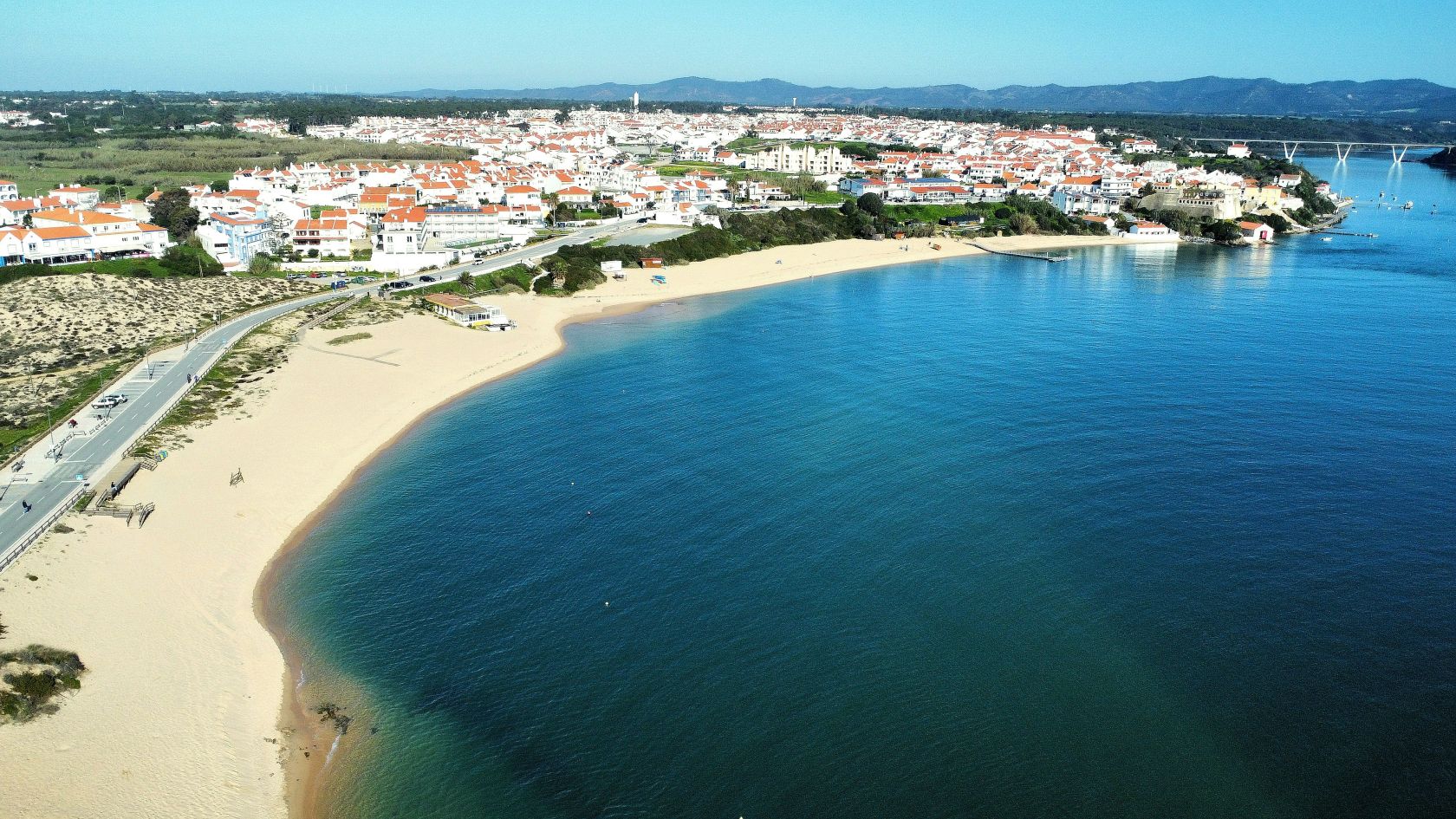
In terms of destinations, the Alentejo Litoral (Alentejo Coast) was the biggest surprise of the year, overtaking the Algarve as the preferred national summer destination for Portuguese tourists, capturing the choice of 60% of respondents opting to stay in the country—a significant leap from the 29% recorded in 2019.
Conversely, the Algarve, which led seven years ago with 48% of preferences, fell to 30%, also being overtaken by the Norte Litoral (Northern Coast), which grew from 13% to 38%. Although Portugal remains the most popular destination overall, the country has lost market share, dropping from 61% to 50% of preferences since 2019, whilst Europe has strengthened its appeal, rising from 34% to 40%.
Planning a holiday
In total, 79% of Portuguese people plan to take a holiday this summer—a slight decrease compared to 85% in 2019—with 73% of these intending to travel away from their primary residence. Additionally, there is a shift in selection criteria: although the beach remains the primary deciding factor, its relevance has declined from 59% to 47%, making way for criteria such as price and cultural activities.
As for the duration of stays, this remains stable, with 57% of respondents opting for a two-week break, followed by three weeks (21%) and one week (14%), with the remaining 7% choosing non-consecutive periods.
Digitalisation
Trip planning is also increasingly shaped by digitalisation. Currently, 86% of Portuguese people search for information online to prepare for their holidays, compared to the 67% recorded in 2019, and for the first time, Artificial Intelligence has been integrated into this process, being used by 21% of respondents through tools like ChatGPT, Copilot, or Claude to research destinations, accommodation, or activities.
Online platforms have cemented themselves as the primary booking channel for 64% of participants, with "Alojamento Local" (local short-term rentals) emerging as the favourite accommodation option for 36% of respondents, overtaking hotels, which are chosen by 29%. Meanwhile, the Airbnb platform captures 14% of preferences, the same figure recorded for staying at the homes of family or friends, whilst other accommodation options total 7%.
Means of transports
Regarding travel, the car remains by far the primary mode of transport chosen for summer holidays, with 82% of responses, leaving the plane in second place with 25% and the train in third position with 17%. The "Portuguese Holidays 2019-2026" study was developed by IPAM-Porto between 15 and 26 June 2026, using online and in-person questionnaires applied to a sample of 450 people aged 18 or over.








 Portugal Handbook
 English
 Nederlands
 Deutsch
 Français
 Español
 Italiano
 Svenska
 Pусский
 中文
中文 Türkçe
 Português
 Czech
Czech Hungarian
 Polski
 عربي
عربي Suomi
Suomi עִברִית
 Português (Brasil)
Follow us on social media