


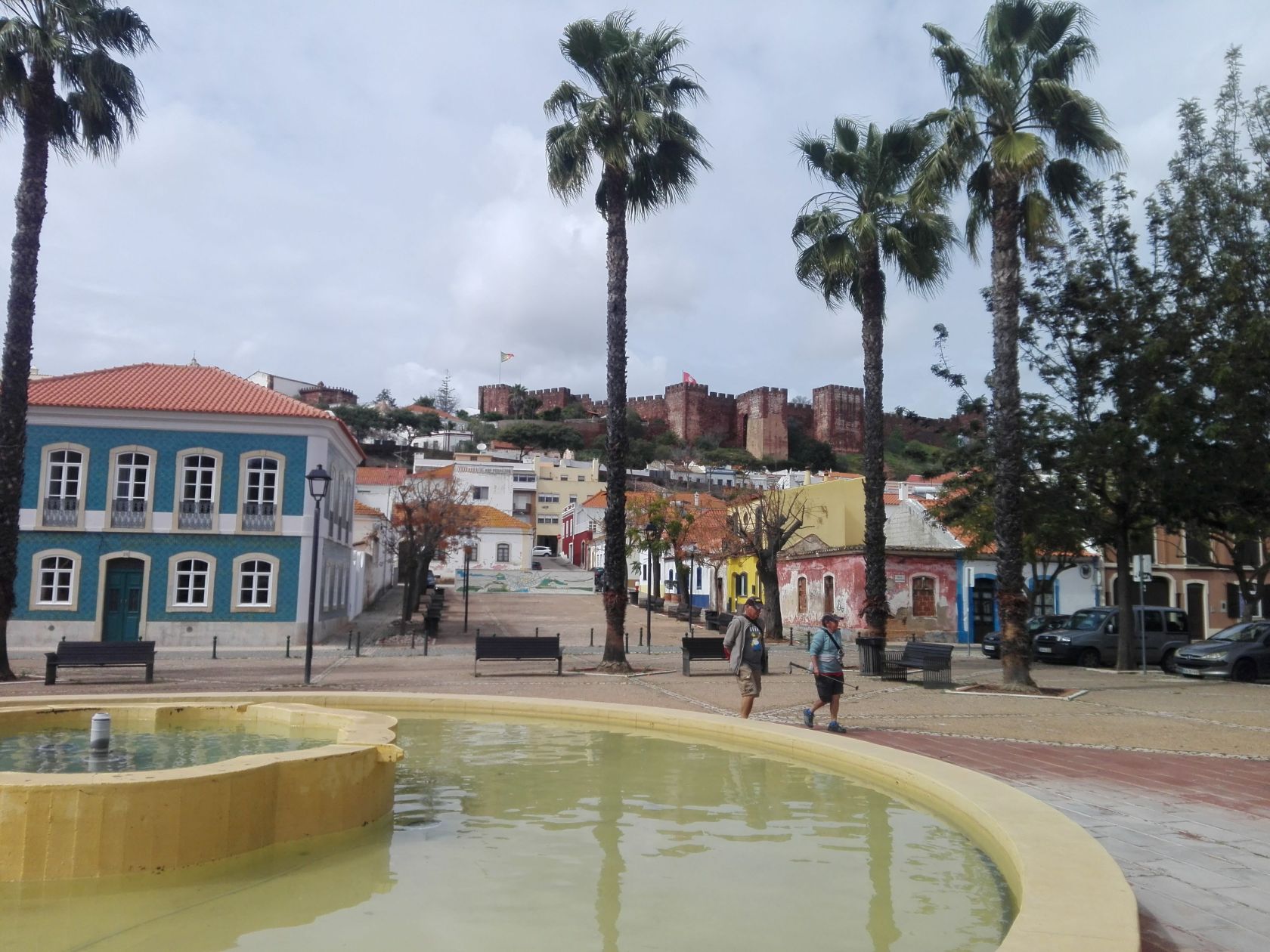
In the study "How conflict in the Gulf is remapping global travel," the consultancy highlights "positive signs" in the Algarve, where hotel occupancy increased by 5.7 percentage points, in Porto, with a rise of 3.3 points, and in Alentejo, with an increase of 2.7 points, between March and April 2026, compared to the same period of the previous year.
Among the elements considered in the study are surveys with 1,050 people, aged between 18 and 64, in Germany, the United Kingdom and the United States.
According to McKinsey, geopolitical instability is leading travellers to reassess destinations and routes, shifting some demand to alternative markets closer to their regions of origin.
Spain and Morocco also recorded positive growth in hotel occupancy, with increases of 9.9 percentage points in Tangier, 8 points in Alicante, 7.5 points in Agadir, and 7.1 points in Marbella.
Consultancy considerations
The consultancy considers that the demand for travel remains resilient, despite geopolitical uncertainty, but identifies greater caution among consumers, who prioritise flexibility and tend to postpone bookings until they have greater visibility on prices, routes, and safety conditions.
In a survey conducted with Italian consumers, 74% said they intend to travel during the summer of 2026, although 63% had not yet completed their bookings at the time of the study.
More than half of respondents (56%) indicated that their plans had been affected by the geopolitical situation, but only 3% cancelled their trips entirely, while 24% postponed a decision until there was greater clarity on the evolution of the international context.
Security is gaining weight
Security is also gaining weight in the choice of destinations, with between 60% and 70% of respondents in the United States, United Kingdom, and Germany stating that they are adjusting their travel plans for the coming months due to the situation in the Middle East.
The study mentions that the perceptions of security appear among the main decision factors in the markets analysed, surpassing traditionally relevant criteria such as price or convenience.
Reorganisation of tourist flows
The reorganisation of tourist flows is particularly visible in aviation, with the number of international passengers connecting through the main airport hubs in the Middle East decreasing by approximately 5.1 million between March and April, compared to the same period in 2025.
This reduction corresponds to an approximate drop of 53%, leading airlines and passengers to increasingly resort to alternative routes and direct connections, according to McKinsey.
The consultancy emphasises that air connectivity may become even more crucial for the competitiveness of destinations, pointing to direct flights as one of the most influential factors in attracting international leisure tourists.
Geopolitical instability is also putting pressure on airlines' operating costs due to airspace restrictions and rising fuel prices.
In an illustrative scenario analysed by McKinsey, the costs of a flight between London and Mumbai could increase by up to 63%, while ticket prices could rise between 13% and 44%, if the increase is passed on to passengers.
In the markets most exposed to the conflict, the study identifies sharp declines in tourism activity and hotel revenues.
Between March and April, hotel revenue fell 75% in Dubai, equivalent to a reduction of US$1.8 billion (close to 1.6 billion euros), having decreased 49% in Abu Dhabi, 43% in Qatar and 42% in Riyadh, compared to the same period last year.
 Add as a preferred source on Google





 Portugal Handbook
 English
 Nederlands
 Deutsch
 Français
 Español
 Italiano
 Svenska
 Pусский
 中文
中文 Türkçe
 Português
 Czech
Czech Hungarian
 Polski
 عربي
عربي Suomi
Suomi עִברִית
 Português (Brasil)
Follow us on social media