


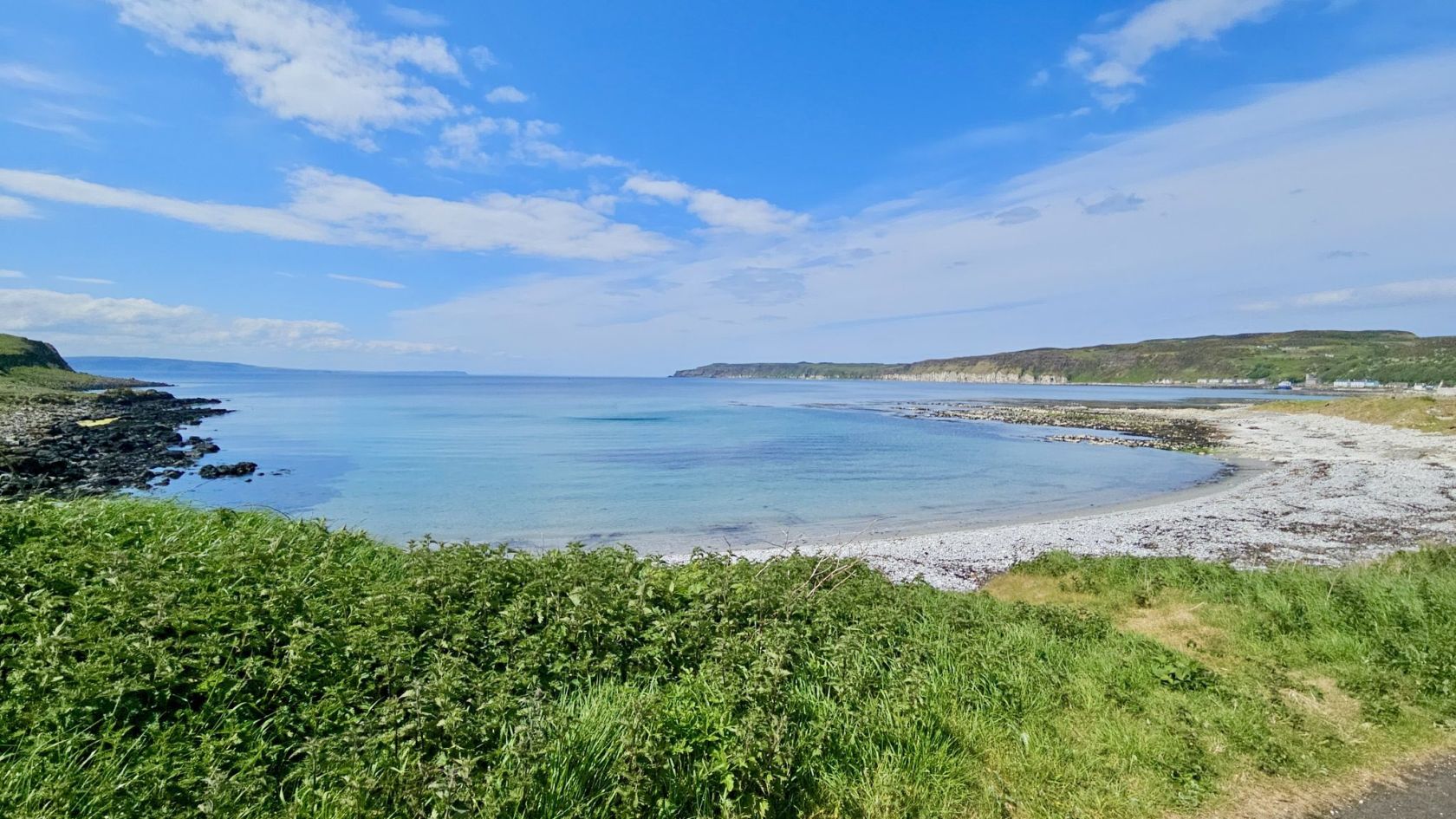
The achievement on Rathlin Island is expected to benefit more than 250,000 seabirds, which had been threatened by the predators for decades. Conservationists say early monitoring has already shown encouraging signs of improved breeding success.
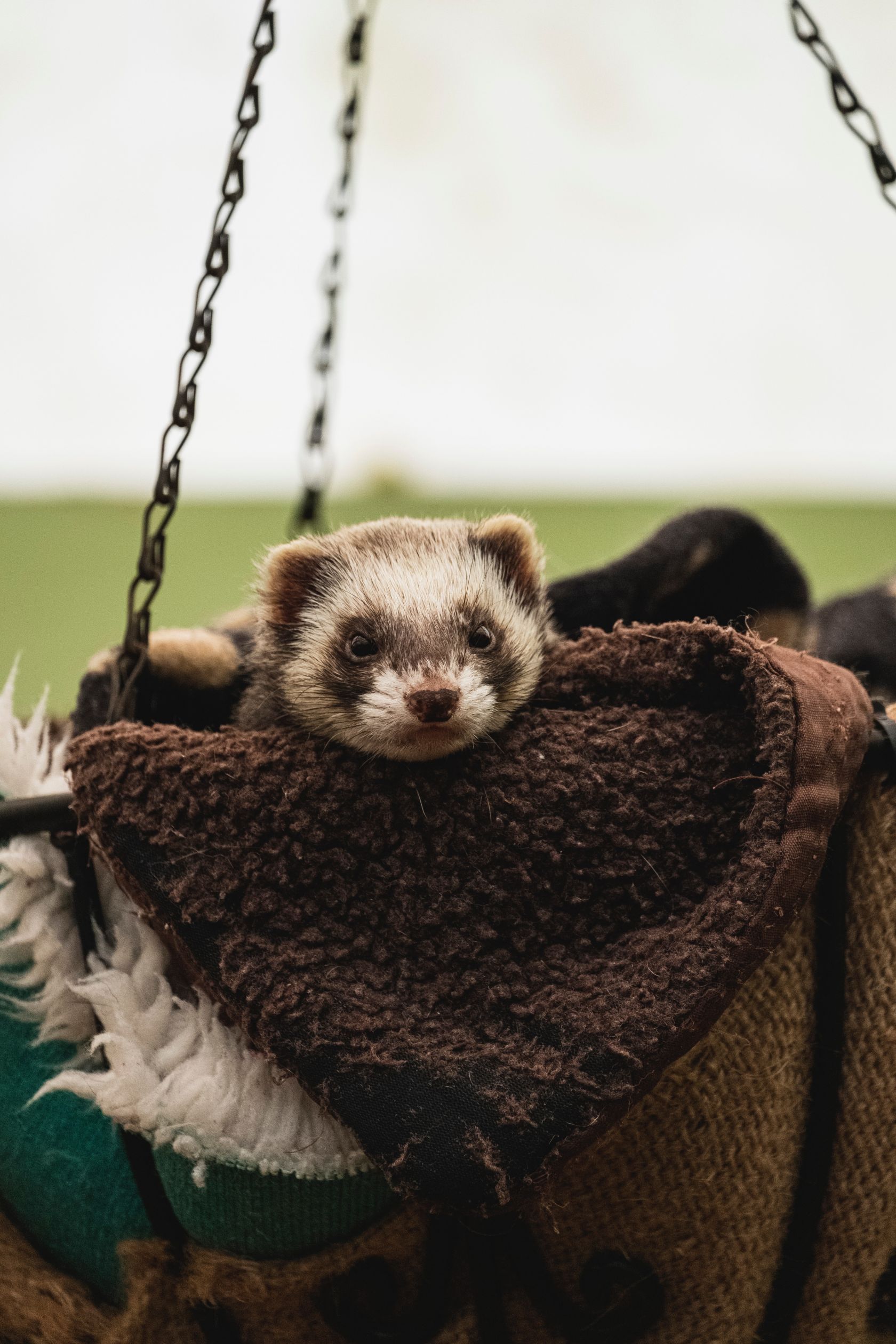
The LIFE Raft conservation project, launched in 2021, used thermal drones, detection dogs and support from the local community to remove the ferrets from Rathlin Island, off County Antrim. Biosecurity measures have now been introduced to keep the island ferret-free. The project also confirmed the first breeding Manx shearwater on Rathlin in more than two decades, with further wildlife recovery expected.
Set The Portugal News as your preferred source for news on Google
 Add as a preferred source on Google






 Portugal Handbook
 English
 Nederlands
 Deutsch
 Français
 Español
 Italiano
 Svenska
 Pусский
 中文
中文 Türkçe
 Português
 Czech
Czech Hungarian
 Polski
 عربي
عربي Suomi
Suomi עִברִית
 Português (Brasil)
So many vague and misleading statements in such a short article! The vast majority of that quoted figure of Rathlin's breeding seabirds are species that nest on inaccessible cliff ledges and were not threatened by ferrets (or rats). Which conservationists say that there are encouraging signs of improved breeding success? What are these signs? The project used kill traps and cage traps to remove the ferrets - drones and detection dogs sound nicer but they played a minor role in monitoring after the relatively easy job of killing 100 ferrets. Manx Shearwaters were known to be present at nesting sites during the breeding season for several years prior to the removal of the ferrets (and rats), it is misleading to claim the first breeding occurred after this.
By Ian from UK on 28 Jul 2026, 12:41