


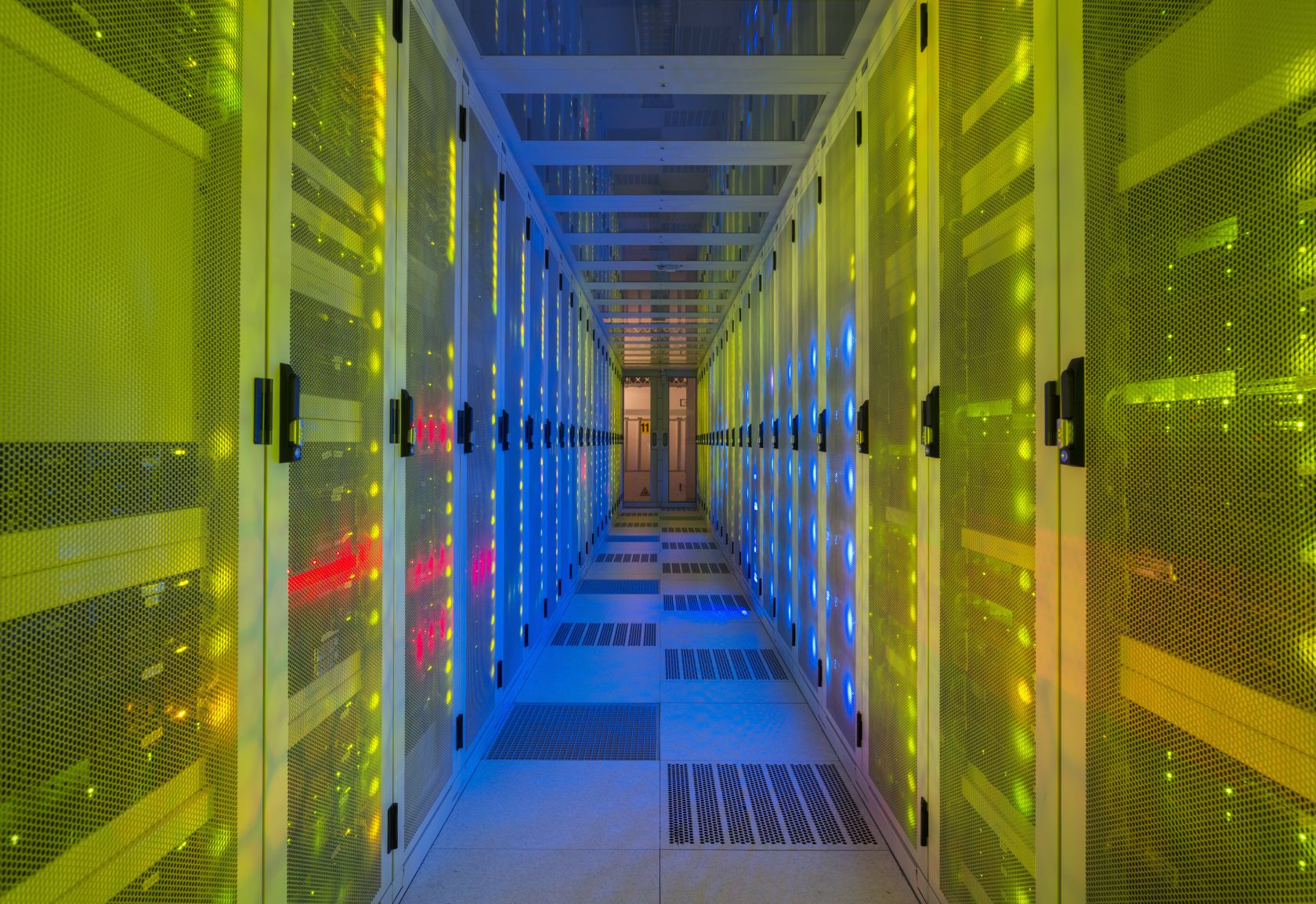
As these infrastructures multiply and electricity consumption increases, so does the fear that the bill will eventually reach consumers. But this conclusion is not inevitable.
At the. AI, held at the Centro Cultural de Belém, Ana Quelhas, EDP's global head of hydrogen and data centres, argued precisely that the increase in consumption by large technology operators does not have to mean more expensive energy for families. The so-called hyperscalers will always have very high energy needs, but they can also act as accelerators for investment in renewables, electricity grids, batteries and flexibility solutions.
This is the essential distinction. The problem is not only in the amount of energy consumed, but in the way this demand is planned, contracted and integrated into the system. When a large data centre enters into long-term contracts to purchase renewable electricity, it can help finance new generation capacity. It can also create scale for investments in storage and network reinforcement that, if well executed, benefit the economy as a whole.
EDP has more than 15 gigawatts of power purchase agreements signed worldwide, and more than 20% are associated with data centres. In the last year alone, almost half of the new contracted capacity was destined for this sector. These figures show the size of demand, but also its potential to accelerate energy projects that might have taken longer to materialise without customers willing to make long-term commitments.
None of this means that the risks should be ignored. Without planning, data centres can put pressure on already congested networks, compete for scarce electrical capacity, and cause poorly distributed public investments. To prevent costs from being passed on to other consumers, it is essential that new connections are accompanied by clear rules: those who generate demand must contribute proportionately to the necessary infrastructure, contract additional energy and accept flexible consumption management solutions.
Sines shows well the two sides of this opportunity. The installation of large data centres, submarine cables and energy projects can turn the region into one of Europe's leading digital hubs. At the same time, the expected growth requires more housing, schools, services, catering, transport and administrative capacity. Attracting investment is just the beginning. The real challenge is to integrate this investment into the territory without creating imbalances.
Portugal has rare conditions to benefit from this new economy: growing renewable production, Atlantic location, international connectivity and the ability to attract large technological projects. But success will depend on execution. It will be necessary to invest simultaneously in energy, networks, talent and urban planning.
Data centres don't have to pose a threat to the consumer. On the contrary, they can help modernise the electricity system and finance the energy transition. To do this, it is necessary to ensure that growth is planned, that costs are distributed fairly and that the country does not just receive infrastructure: it also develops the skills and economic benefits associated with them.








 Portugal Handbook
 English
 Nederlands
 Deutsch
 Français
 Español
 Italiano
 Svenska
 Pусский
 中文
中文 Türkçe
 Português
 Czech
Czech Hungarian
 Polski
 عربي
عربي Suomi
Suomi עִברִית
 Português (Brasil)
Follow us on social media