


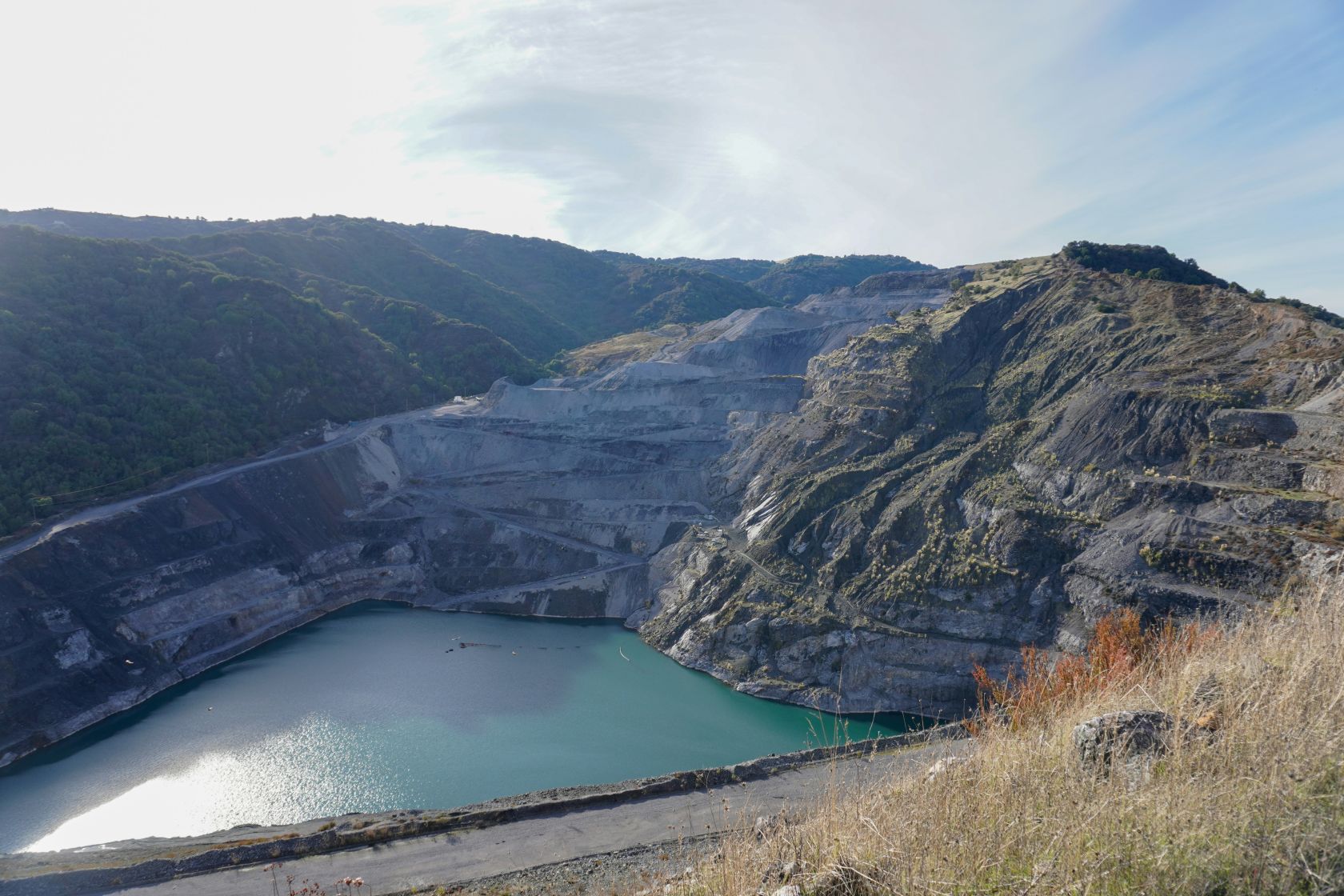
The Jales mines, located in Campo de Jales within the municipality of Vila Pouca de Aguiar (Vila Real district), were the last gold mines operating in Portugal; they closed permanently in October 1992.
In a statement, the Vila Pouca de Aguiar City Council noted that “Jales is one of the largest mining areas in Portugal and was the first to undergo environmental remediation.”
“Ongoing oversight and monitoring work is carried out regularly across an area of approximately 10 hectares, in coordination with the Portuguese Environment Agency (APA),” the statement added.
In this context, EDM is investing around two million euros, with EU funding support, to build a Mine Water Treatment Plant (ETAM), scheduled for completion by the end of this year.
According to the municipality, the facility will allow for the “proper treatment of runoff water from the former mining site.”
EDM, whose mission is to remediate former mining sites, met on Monday with the municipal executive team led by Mayor Ana Rita Dias.
During the meeting, Ana Rita Dias cautioned that “any potential mining investment in the municipality must involve local authorities from the very beginning of the process, ensuring an understanding of the advantages and disadvantages, and guaranteeing that the population is duly informed and benefits from the projects developed in the area.”
In 2013, a consortium won a tender for a three-year experimental gold mining project in Jales/Gralheira; however, the project was ultimately abandoned and the concession revoked after all deadlines were missed.
At the peak of mining operations in Jales, around 800 workers were employed, extracting approximately 30 kilograms of gold per month.
This precious metal has been mined in the area since the Roman Empire.
 Add as a preferred source on Google





 Portugal Handbook
 English
 Nederlands
 Deutsch
 Français
 Español
 Italiano
 Svenska
 Pусский
 中文
中文 Türkçe
 Português
 Czech
Czech Hungarian
 Polski
 عربي
عربي Suomi
Suomi עִברִית
 Português (Brasil)
Follow us on social media