


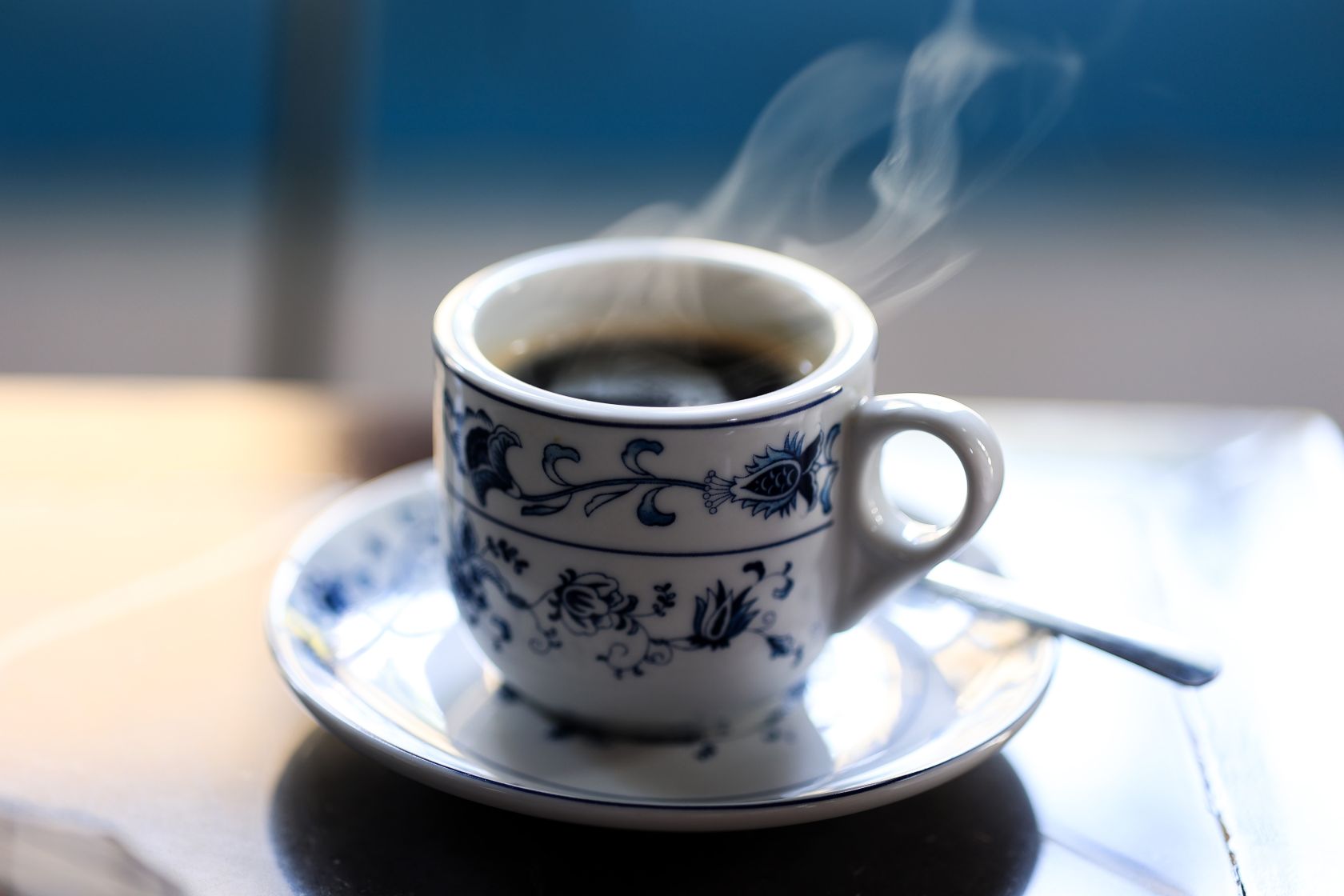
There is a song I remember that Frank Sinatra sang called: ‘They’ve got an awful lot of coffee in Brazil’, but some of it made its way here to Portugal, and is part of our culture here now. Is drinking coffee here a habit or a way of life? I would say definitely a deeply grained, affordable and social ritual - you will see people standing up downing a small cup of strong black coffee at any time of day, or sitting leisurely drinking a ‘café com leite’ (coffee with milk) or a galaõ - a favourite for many - a hot, milky coffee similar to a latte, served in a tall glass, made by adding foamed milk to espresso, typically in a 3:1 ratio (milk to coffee). Drinking coffee can be both a daily habit and a way of life, and for many, it is a routine that has developed into a functional, and often enjoyable, part of a daily regime. With adults each consuming over 4kg of beans annually.
Coffee became deeply popular in Portugal through 18th-century colonial ties with Brazil, which provided abundant, high-quality beans. The ‘coffee culture’ solidified, as cafés became essential social ‘living rooms’, stemming from a tradition of socialising in public spaces rather than in private homes. Today, affordable, strong espresso—known as bica—is central to daily life, perhaps paired with a delicious pastry, such as our iconic custard tart, Pastel de Nata. Even the word ‘bica’ has a legend – said to be that BICA stands for ‘Beba Isto Com Açúcar’ (drink this with sugar), though it is just as often enjoyed without. But apparently, there are regional differences: In Lisbon, it’s a ‘bica’; in Porto, it’s a ‘Cimbalino’ (referencing the La Cimbali machines used). Locals rarely drink milky coffee after breakfast, preferring strong, small doses, and popular types include the garoto (espresso with a splash of milk) and abatanado (diluted espresso).
Choices, choices
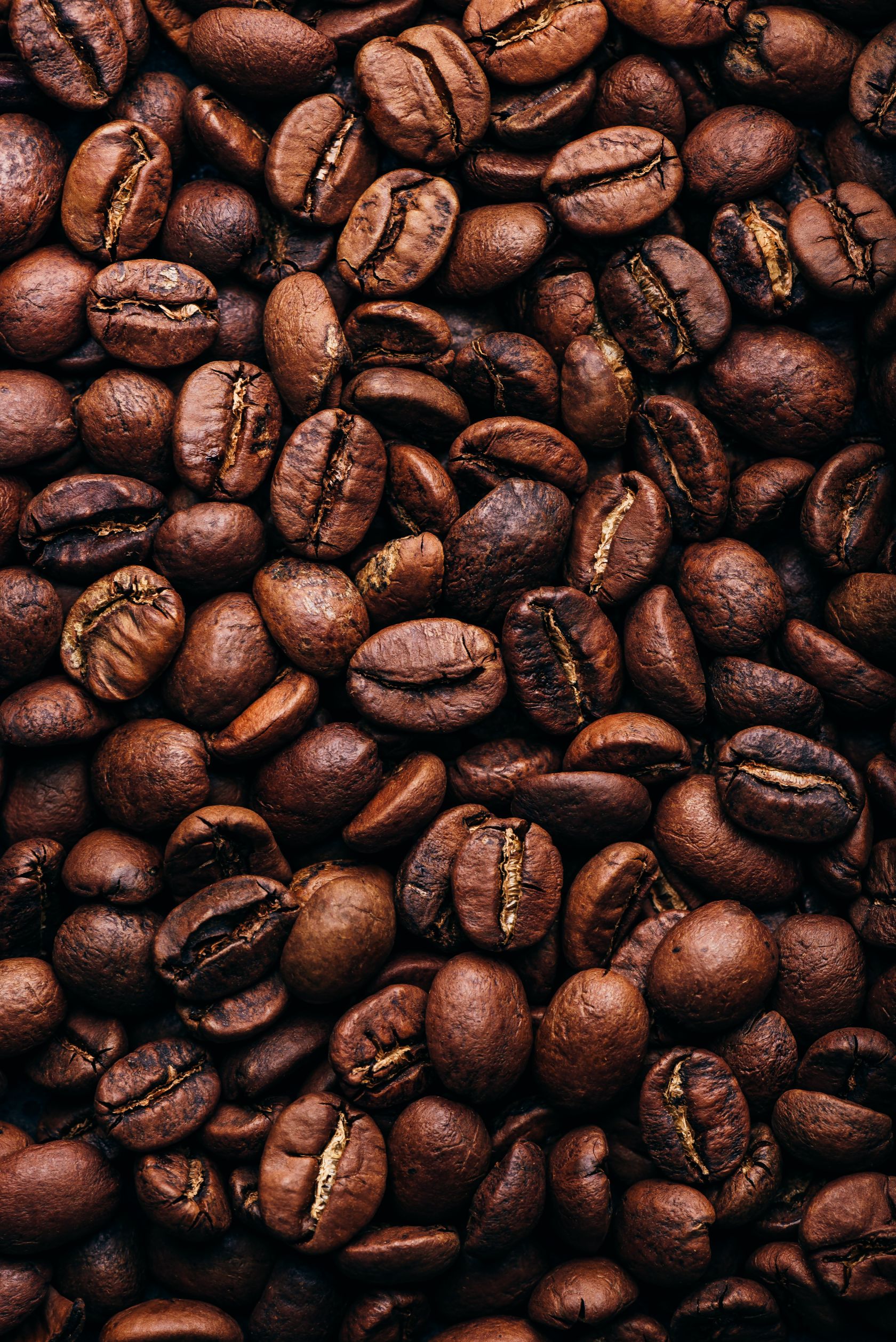
Sometimes coffee in one café tastes different from another, and this is due to the type of beans used and their treatment at the roasting stage. Traditional Portuguese coffee brands serve coffee made with a slow roasting method at lower temperatures. This creates a denser, intense and darker roast. Traditional Portuguese coffee often uses a blend of Arabica and Robusta beans, with the Robusta contributing a stronger, more bitter flavour. On the other hand, speciality coffee focuses on 100% Arabica beans, which offer smoother, more complex flavours.
While other countries have numerous flavoured syrups and speciality milks to add to their coffee, they don’t seem to have caught on here, locals preferring their own deep-grained conservative rituals, or maybe we just like our coffee to taste of coffee – perhaps with a shot of brandy or aguardente (a strong grape spirit) known as Café com Cheirinho (translating as ‘coffee with a scent’) - a perfect way to end a meal.
 Add as a preferred source on Google







 Portugal Handbook
 English
 Nederlands
 Deutsch
 Français
 Español
 Italiano
 Svenska
 Pусский
 中文
中文 Türkçe
 Português
 Czech
Czech Hungarian
 Polski
 عربي
عربي Suomi
Suomi עִברִית
 Português (Brasil)
The second article about Portuguese coffee in just over a week. Is there nothing else for you to cover?
By Tony L from Algarve on 09 Aug 2026, 07:19