


That’s sunshine, sardines and a whole lot of elderly gentlemen wandering around in clothing that looks as though it’s going to be (-10°C) even though it’s actually (+35°C) in the shade.
What many visitors don’t seem to expect is to discover that the country is one giant canine fan club. Walk through any Portuguese town, and you’ll see plenty of dogs, including Labradors lounging beneath café tables, tiny chihuahuas riding in handbags like furry royalty and a few elegant greyhounds strutting along promenades as if they’ve just signed a modelling contract.
I’ve often noticed some great big shaggy mountain dogs patiently waiting outside bakeries with considerably better manners than many tourists. So, I think we could possibly be forgiven for thinking that the Portuguese have gone completely “barking” mad.
The thing is, they’re rather proud of it over here. But it wasn’t always this way. For centuries, dogs were workers rather than pampered pets. Farmers depended on loyal mutts to round up livestock, protect vineyards and warn off unwelcome visitors.
Watch the full video here 👇👇👇
Pet care
A dog’s job description was refreshingly simple - “earn your keep!”
Then something changed. Cities expanded, families became smaller and people lived longer. Apartments replaced farmhouses and many elderly folk suddenly found themselves living alone after children had emigrated in search of work.
So, enter the dog. Faithful, non-judgemental and invariably delighted simply because their owners returned from buying bread. These days, Portugal is estimated to have well over 2.5 million pet dogs, making canine ownership one of the country’s favourite pastimes. Veterinary clinics, grooming salons, dog hotels, luxury pet boutiques and canine physiotherapists have sprung up across the country. The pet care industry has grown rapidly over the past decade, reflecting a broader trend seen across much of Europe. Some dogs now enjoy lifestyles that medieval Portuguese kings would have envied. I’ve even encountered a Cocker Spaniel wearing designer sunglasses. The poor animal looked utterly humiliated.
Truth is, the Portuguese have embraced this new culture with characteristic warmth. Dogs are welcomed onto many café terraces as they accompany owners on leisurely evening strolls. Shops put out water bowls for our canine friends. In many communities, a stray dog becomes a famous (or infamous) local character. Then, just as drivers start feeling a bit narky-knickers, they stop, wag their tails and wander off in search of someone else to annoy.
Of course, Portugal hasn’t escaped the darker side of dog ownership. But, animal welfare has improved dramatically over recent decades.
Thankfully, attitudes continue to evolve. Many Portuguese families now choose adoption over buying expensive pedigree puppies. And that says something rather heart-warming about the national character.
Native breeds
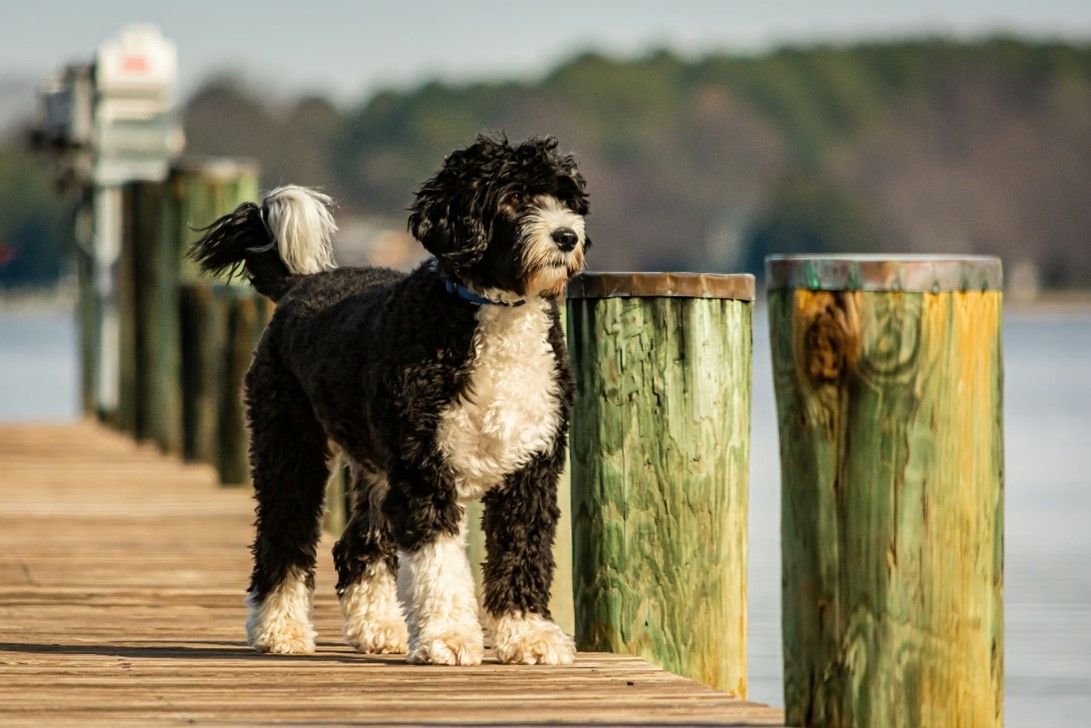
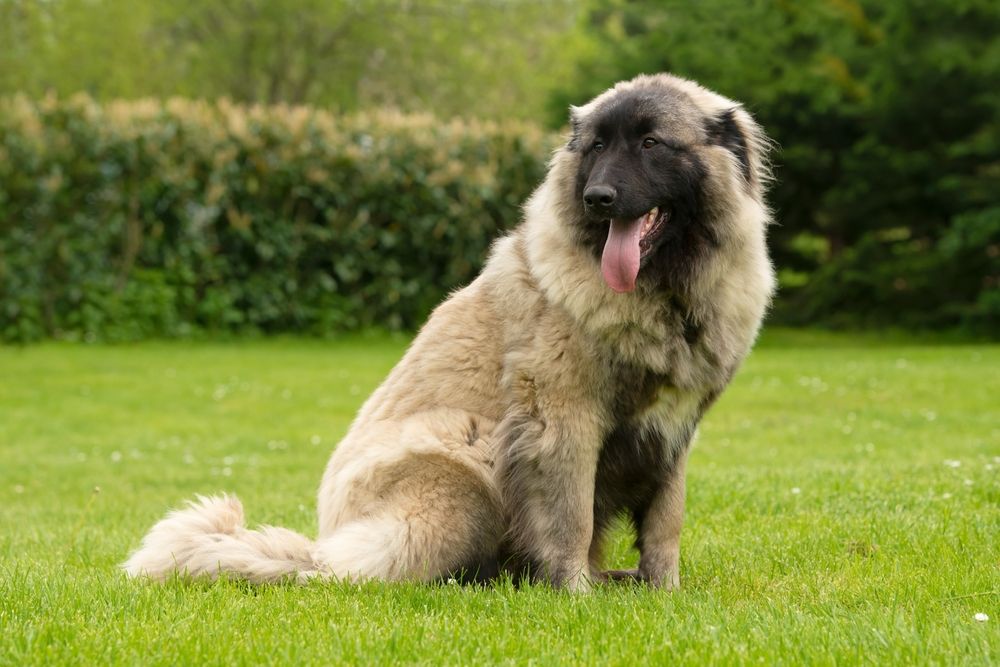
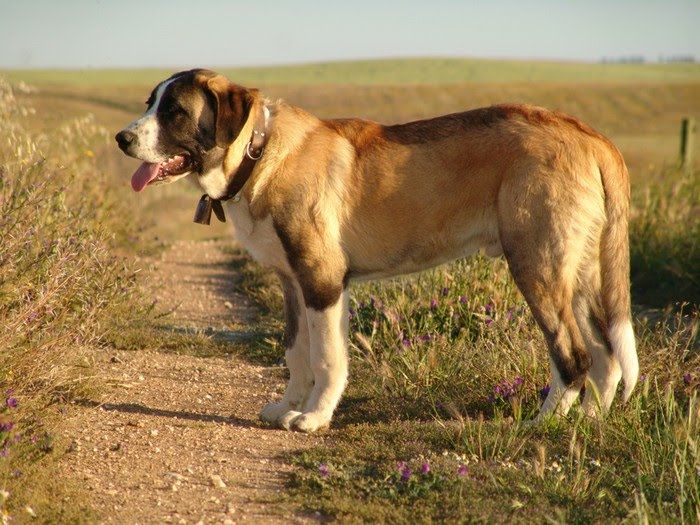
Portugal also has several remarkable native breeds. The Serra da Estrela Mountain Dog resembles a small bear. The Portuguese Water Dog became internationally famous after one moved into the White House with President Barack Obama, instantly giving Portugal unexpected influence over American politics! Then, there’s the Rafeiro do Alentejo. It is enormous, gentle and perfectly capable of convincing burglars to reconsider their life choices.
The relationship between Portuguese people and their dogs often borders on the theatrical.
Of course, Darwin’s book was called The Origin of the Species. Perhaps we ought to write a sequel called “The Origin of the Faeces” because dog poop on urban pavements can be quite a problem, especially in major cities like Lisbon and in some areas of the Algarve. While laws mandate cleaning up, with fines ranging from €25 to €7,000, enforcement is often inconsistent, and there’s no one to clean up after the strays. Consequently, many residents and expats warn that people must constantly be on the lookout for doggy “deposits”.
Nevertheless, dogs offer companionship in an increasingly isolated world. They encourage exercise, and studies consistently suggest that pet ownership can reduce loneliness and improve mental wellbeing. In an era dominated by smartphones and social media, dogs still insist upon something wonderfully old-fashioned. Actual interaction.
Unique phenomenon
There is, admittedly, one uniquely Portuguese phenomenon. The village dog. Every community seems to possess at least one elderly canine that technically belongs to someone, but in reality belongs to everyone. It receives breakfast from one neighbour, lunch from another and biscuits from all & sundry. It knows exactly when the bakery opens, mastered the art of looking permanently hungry despite weighing approximately the same as a washing machine. A total con artist.
So, will Portugal’s love affair with dogs continue? Almost certainly. If anything, it’s likely to deepen. Younger generations increasingly regard pets as members of the family rather than possessions. Veterinary medicine continues advancing. There’s pet insurance, specialised healthcare and luxury services are becoming increasingly commonplace. Dogs now feature heavily on Portuguese social media, often attracting considerably more followers than local politicians. Which, if we’re being brutally honest, seems entirely plausible.
There will undoubtedly be challenges. Rising living costs makes pet ownership harder for some families. Urban housing isn’t always ideal for larger breeds. Responsible ownership, proper training and continued efforts to reduce abandonment and fouling are becoming vital. But none of this is likely to diminish Portugal’s affection for its four-legged companions.
After all, in a world growing noisier and increasingly bewildering, a dog asks for remarkably little. A walk, a meal and a kind tone of voice. Maybe the occasional forbidden sausage roll? In return, a dog offers loyalty beyond measure. Portugal has understood that bargain rather well.
So yes, the Portuguese may well be “barking” mad about their dogs. In a country blessed with spectacular beaches, rolling vineyards, ancient castles and enough sunshine to make the rest of Europe envious, it turns out one of Portugal’s greatest treasures isn’t a monument, a fine wine or a famous footballer.
It’s that happy pooch we see sleeping beneath a shady olive tree in the village centre. Somehow, doesn’t that feel wonderfully Portuguese?
 Add as a preferred source on Google







 Portugal Handbook
 English
 Nederlands
 Deutsch
 Français
 Español
 Italiano
 Svenska
 Pусский
 中文
中文 Türkçe
 Português
 Czech
Czech Hungarian
 Polski
 عربي
عربي Suomi
Suomi עִברִית
 Português (Brasil)
Follow us on social media