


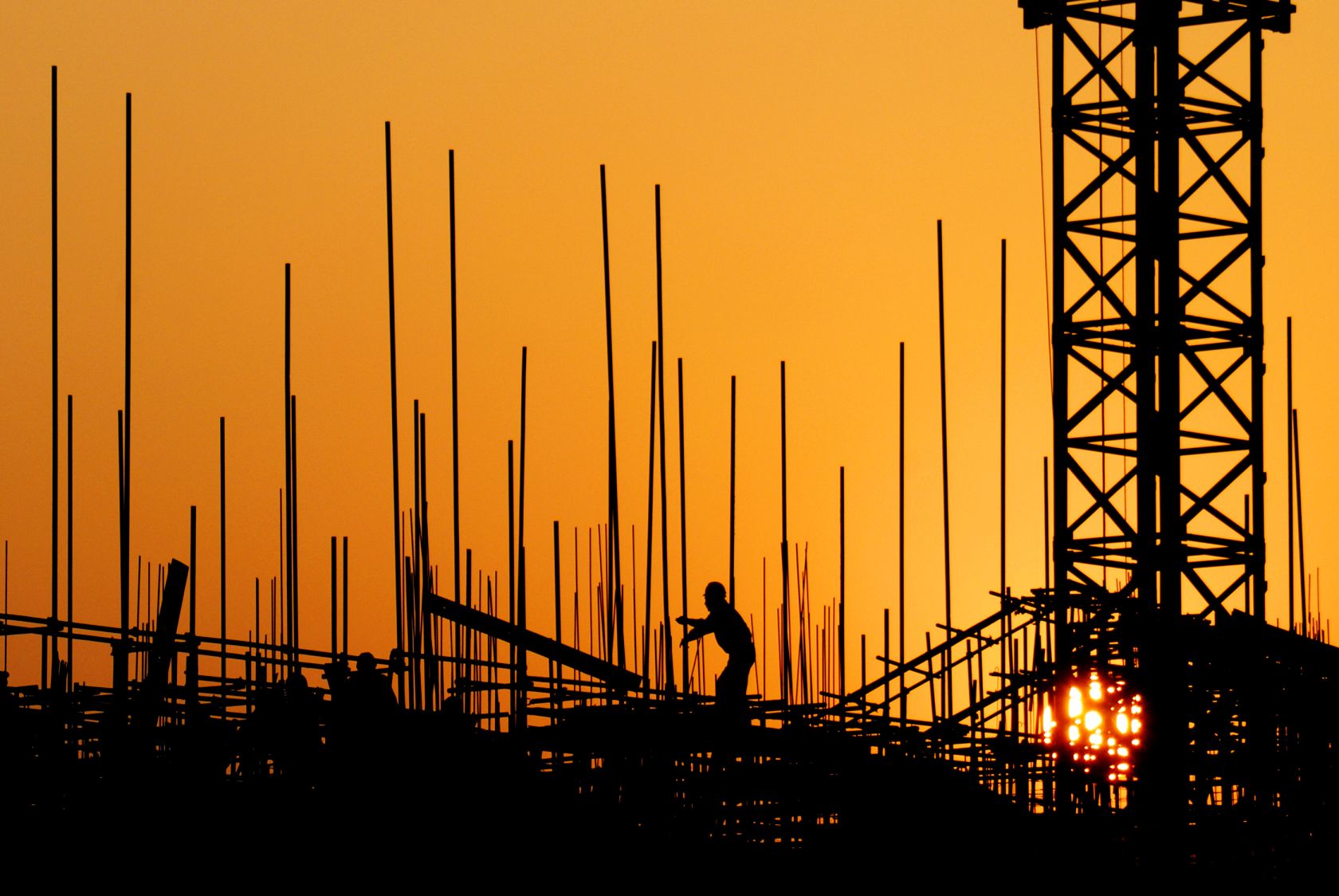
After years of discussing demand, prices and incentives, another question is finally starting to gain ground: how can we produce housing faster, more efficiently and more predictably?
The industrialisation of construction is one of the possible answers. WORX's WMarket Review Mid-year 2026 identifies modular construction as a relevant opportunity for the residential market and considers that, combined with other transformations, it could have a significant impact on Portuguese real estate. The need is evident: although apartment transactions fell by 7% in the Lisbon Metropolitan Area and 10% in Porto in the first half of 2026, average prices increased by 19% and 15%, respectively. Demand continues to find insufficient supply.
For several years, I have been arguing that Portugal will inevitably have to industrialise a larger part of construction. It is not just about building modules in a factory. It is about introducing industrial processes in a sector where there are still high levels of fragmentation, dependence on labour, waste and unpredictability. Prefabrication, standardisation, off-site production, digitalisation, and greater integration between design and execution can allow building faster and better control of costs and quality.
But there is a problem that industrialisation, by itself, cannot solve. A work can take much less time and housing can continue to take years to reach the market. Before construction begins, there are decisions about land, planning, projects, licensing, specialities, infrastructure and financing. If this chain remains slow, we will have increased the productivity of the work without sufficiently increasing the productivity of the system.
That is why the discussion about industrialisation must go beyond construction technology. Portugal needs to think of housing production as a complete process. It makes no sense to develop methods capable of significantly reducing construction times if we continue to accept that the previous phases consume a disproportionate part of the time needed to put a house on the market.
It will also be necessary to create scale. Industrialised construction requires investment in factories, technology, engineering, training, and productive capacity. For this investment to happen, companies need predictability and a sufficiently stable portfolio of projects. A market characterised by long and uncertain processes makes it more difficult to accurately justify industrial investment that could increase the productivity of the sector.
The technology exists and will continue to evolve. Capital can also come if the conditions are in place to develop projects at scale. The real challenge will be to get public administration, planning, licensing, financing and construction to move at compatible speeds.
Portugal needs to build more houses, but above all it needs to learn how to produce them better. Industrialising construction can significantly reduce construction time. To reduce the time it takes for a house to reach the market, we will also have to industrialise the way we think and execute the whole process.
 Add as a preferred source on Google







 Portugal Handbook
 English
 Nederlands
 Deutsch
 Français
 Español
 Italiano
 Svenska
 Pусский
 中文
中文 Türkçe
 Português
 Czech
Czech Hungarian
 Polski
 عربي
عربي Suomi
Suomi עִברִית
 Português (Brasil)
Follow us on social media