


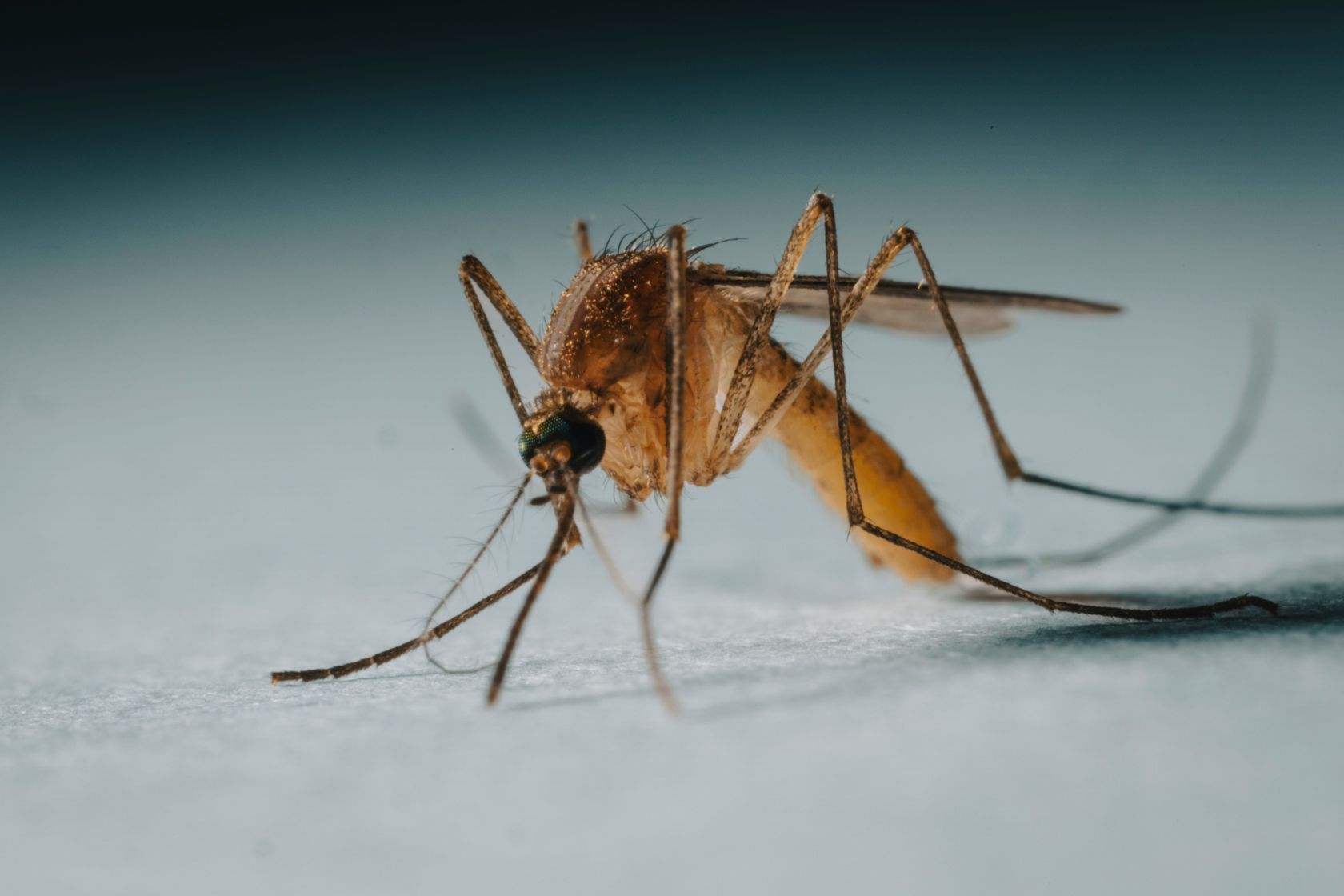
In a statement released on its social networks, the ULS of Castelo Branco explained that the presence of the Aedes albopictus mosquito was detected in the municipality through the Vector Surveillance Network (REVIVE), developed by the National Institute of Health Dr. Ricardo Jorge and the Directorate-General of Health (DGS), with the collaboration of the Public Health Unit.
"Mosquitoes of this species, also known as tiger mosquitoes, can carry viruses that cause diseases in the population. However, to date, no mosquitoes infected with viruses have been detected in the national territory," it stressed.
According to the information provided, several public health entities are still investigating the case, and they have already reinforced the response plan to monitor this mosquito and implement the necessary measures.
"The detection of this mosquito species was already expected, since its presence has already been identified in several regions of the country."
To prevent the multiplication of this mosquito, which lays its eggs in small reservoirs of stagnant water, the Castelo Branco Local Health Unit (ULS) requests the public's participation.
In this context, it recommends cleaning, emptying, and/or discarding small reservoirs of stagnant water, such as vases, buckets, jars, tyres, cans, and other abandoned solid waste that accumulates water.
It is also requested that reservoirs of stagnant water be covered and that swimming pool water be cleaned and treated, and that they be covered when not in use.
Cleaning gutters and other places where water can accumulate, and closing garbage cans, are other aspects to consider.
The Aedes albopictus mosquito is characterised by its dark colour, with a white stripe along the head and upper part of the thorax, and with a pattern of white and black stripes on the trunk and legs.
Invasive Aedes mosquitoes were first detected in Portugal in Madeira in 2005. Aedes albopictus was introduced to the mainland in 2017 in the North (Penafiel), in 2018 in the Algarve (Loulé), and in 2022 in the Alentejo (Mértola).
At the end of September 2025, the tiger mosquito was also detected in Covilhã, in the district of Castelo Branco.
 Add as a preferred source on Google








 Portugal Handbook
 English
 Nederlands
 Deutsch
 Français
 Español
 Italiano
 Svenska
 Pусский
 中文
中文 Türkçe
 Português
 Czech
Czech Hungarian
 Polski
 عربي
عربي Suomi
Suomi עִברִית
 Português (Brasil)
Follow us on social media