


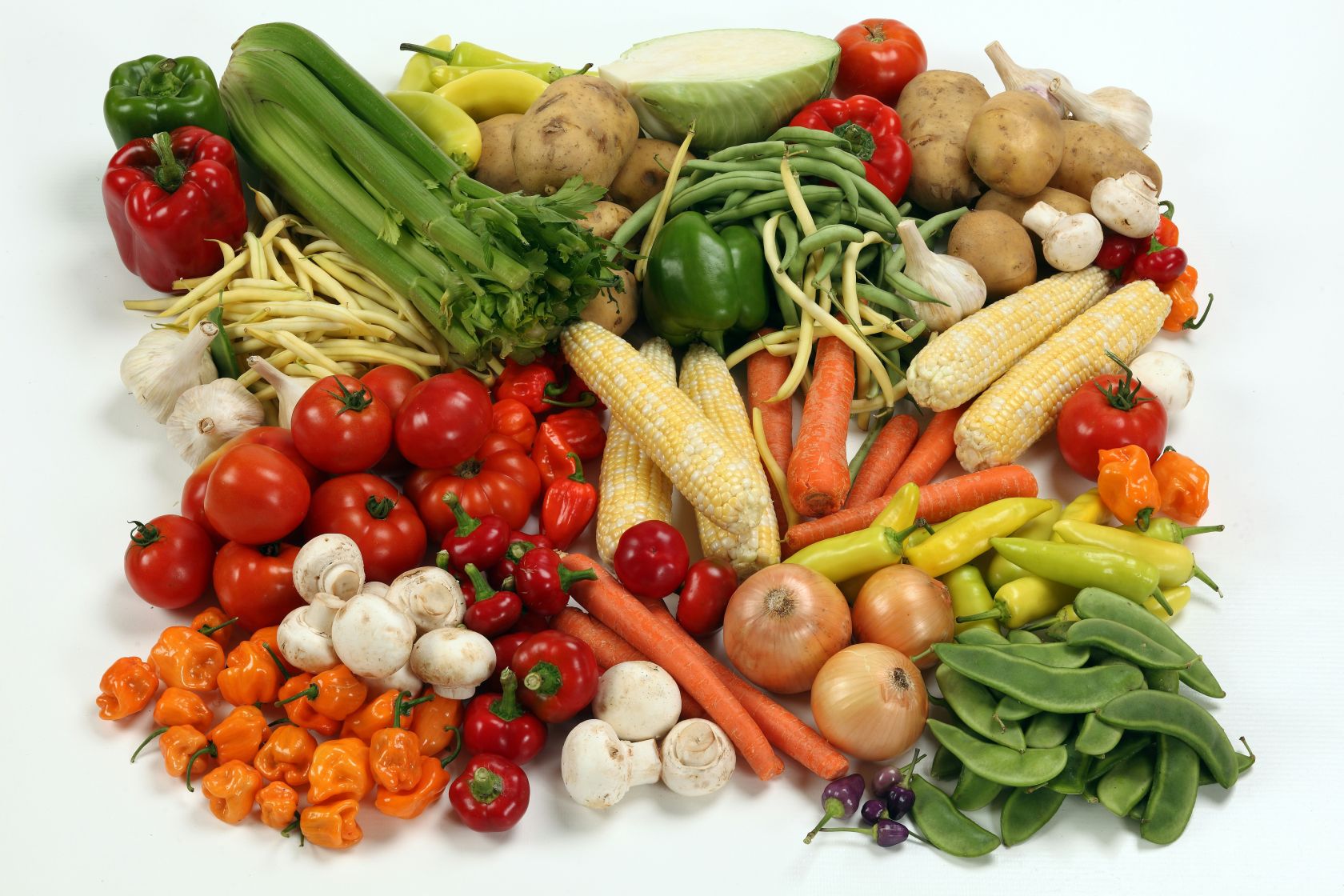
New Eurostat figures show that the average price of goods and services used by EU farmers increased by 4.7% in the second quarter of 2026 compared with the same period last year.
Energy and fertilisers were behind some of the biggest increases. Energy and lubricant costs rose by 22%, while fertilisers and soil improvers were 13.4% more expensive.
Portugal recorded a much smaller increase than most other EU countries. Agricultural input costs rose by 1.2%, one of the lowest increases in the EU, alongside Hungary.
The figures come at a time when food prices are already being closely watched in Portugal. Inflation reached 3.3% in August, while prices of unprocessed food were 3.4% higher than a year earlier.
There are now concerns that higher costs faced by farmers could take some time to work their way through to consumers.
The International Monetary Fund (IMF) has also warned that higher energy and fertiliser prices linked to the conflict in the Middle East could continue to affect farming and food prices even after the initial increases have eased.
Earlier this year, the Portuguese Government introduced financial support for farmers affected by rising energy and fertiliser costs.
The IMF says governments should focus support on vulnerable households and businesses rather than relying on broad price subsidies, which it says should only be used in exceptional and temporary circumstances.
While farming costs are increasing, prices received by agricultural producers across the EU actually fell by an average of 5.8% during the same period. Milk prices fell particularly sharply, by 16.6%, while cereal prices dropped by 5.6%.
 Add as a preferred source on Google







 Portugal Handbook
 English
 Nederlands
 Deutsch
 Français
 Español
 Italiano
 Svenska
 Pусский
 中文
中文 Türkçe
 Português
 Czech
Czech Hungarian
 Polski
 عربي
عربي Suomi
Suomi עִברִית
 Português (Brasil)
Follow us on social media