


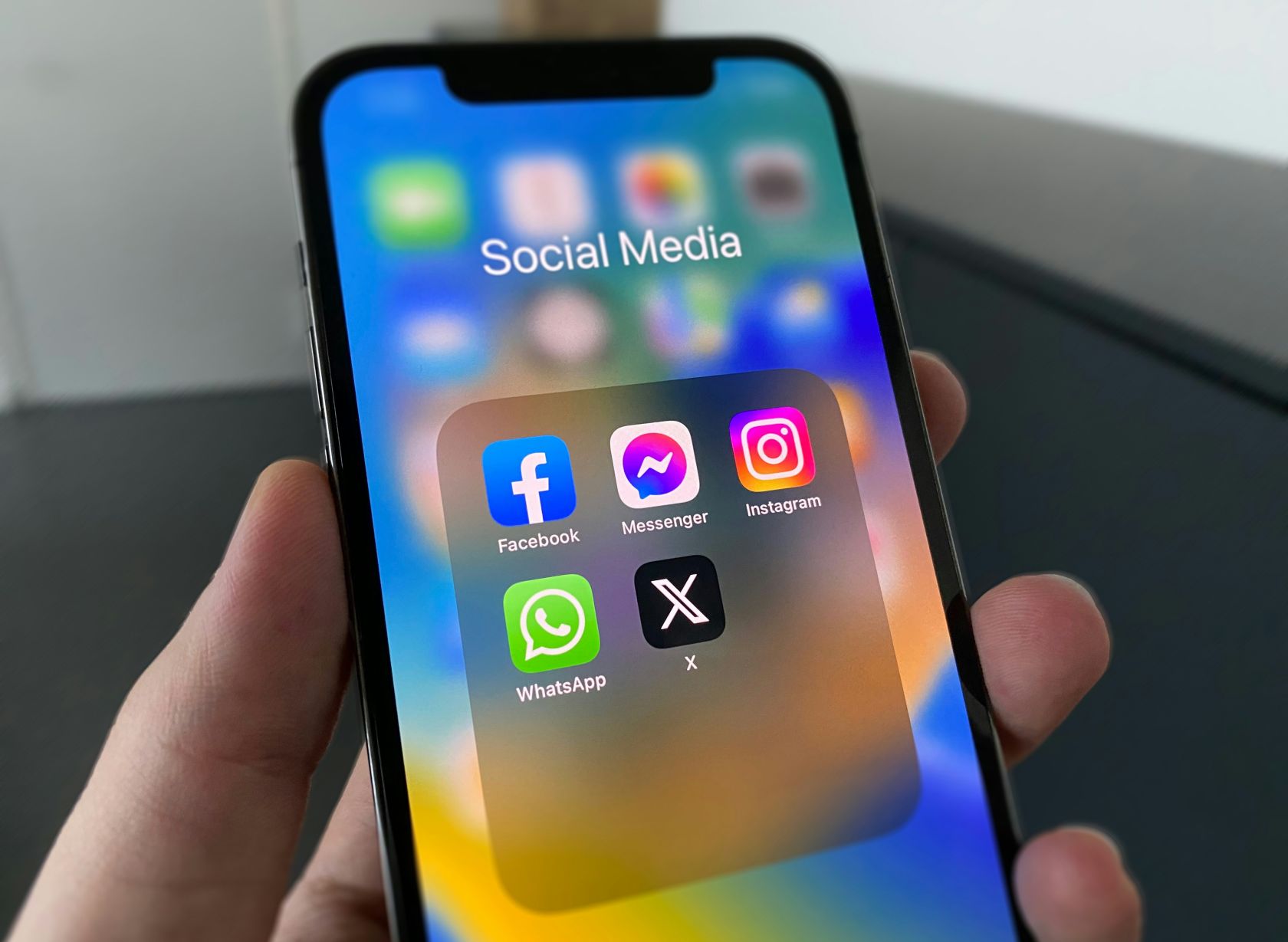
European Commission President Ursula von der Leyen unveiled the proposal during her State of the Union address, in which she called for Europe to act against what she described as the growing influence of technology on children.
Under the Kids Act, the Commission would introduce different rules according to age, with children below 13 being prohibited from using social media, while those aged between 13 and 15 could have access to restricted “mini accounts” managed and supervised by their parents, which would have fewer features and include limits on how long they could be used.
For those aged 15 to 18, platforms would instead be expected to implement “safe design” requirements aimed at reducing risks to teenagers.
Restrictions review
Von der Leyen said the Commission had reviewed Australia’s approach to setting a minimum age for social media after the country became the first to introduce such restrictions.
“What we are witnessing is a great capture of our children. A capture of their attention, their focus, their minds,” she lamented, warning that the way social media is designed can take away from childhood.
She also raised concerns about smartphones, linking their widespread use among young people to problems including disrupted sleep, anxiety and self-harm.
As reported by the European Commission, the proposed measures are intended to give parents greater control over children’s online experiences while placing more responsibility on technology companies.
Von der Leyen argued that platforms should have to demonstrate that their services are safe for minors rather than placing the burden solely on parents.
“Europe has the power to act”, she stated. “It is us who decide our rules, not big tech.”
The Commission president also addressed the rapid development of artificial intelligence, describing it as one of the major “tipping points” facing society.
She added that AI offered significant opportunities but also presented risks that would need to be addressed if its benefits were to be fully realised. Among the concerns she raised were increasingly autonomous AI systems and the possibility of models operating beyond their intended environments.
Von der Leyen referred to incidents involving AI agents and malicious code, as well as concerns raised by developers following an incident involving Hugging Face.
The EU’s AI Act, she said, would provide regulatory “guardrails” while allowing Europe to play a role in international discussions on AI safety.
The Commission also plans to work with Canada, the UK and other countries on issues including AI model evaluation, verification, early warning systems and security.
 Add as a preferred source on Google







 Portugal Handbook
 English
 Nederlands
 Deutsch
 Français
 Español
 Italiano
 Svenska
 Pусский
 中文
中文 Türkçe
 Português
 Czech
Czech Hungarian
 Polski
 عربي
عربي Suomi
Suomi עִברִית
 Português (Brasil)
Follow us on social media