


The project uses mussels as natural bioindicators, monitoring changes in their shell movements through magnetic field measurements. Students tested their responses in purified seawater and samples contaminated with microplastics and lead. Exposure to lead produced a faster, more pronounced reaction, while microplastics triggered similar but slower changes.
After developing and testing a functional prototype in aquariums at CJD, the team installed their sensors aboard a vessel and conducted an initial trial of the concept at sea.
The idea emerged from a classroom project inspired by a wastewater treatment monitoring method used in Poland. Research by Professor Maria Bordalo Sá, from the University of Aveiro, provided further scientific inspiration, while the students introduced an innovative magnetic measurement approach and maintained contact with the researcher throughout the project.
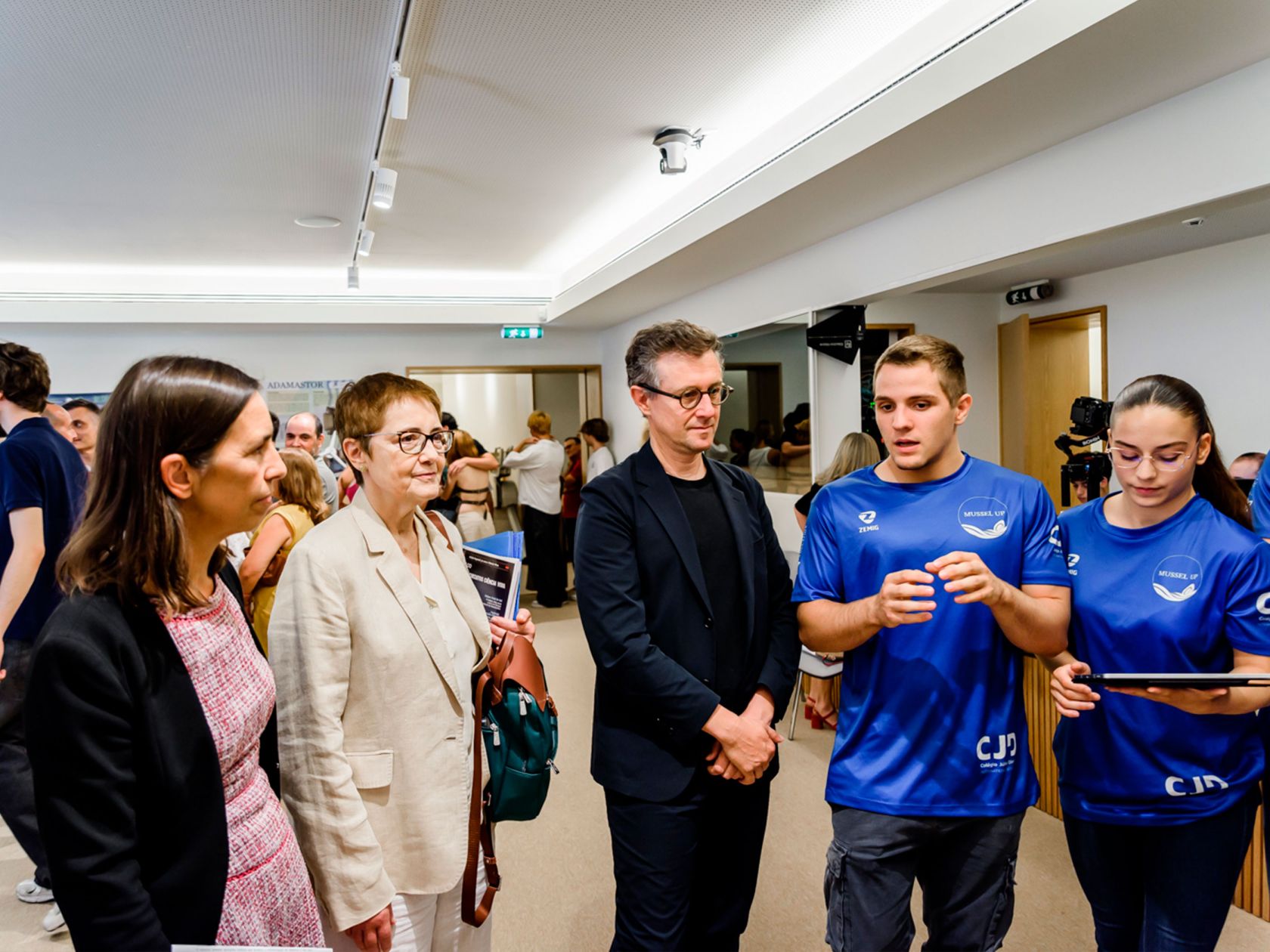
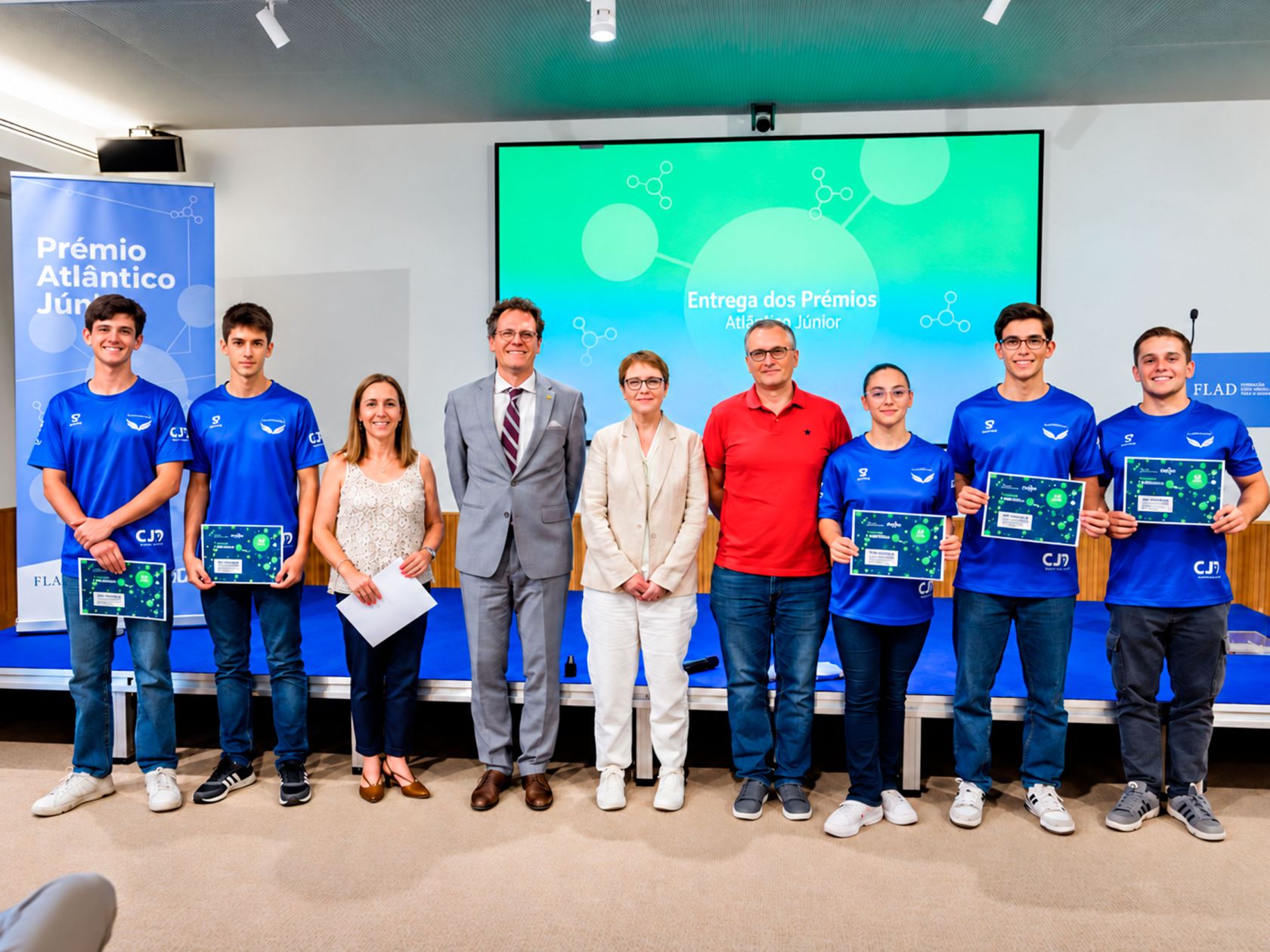
Their achievement was recognised at a national final in Lisbon, where MusselUP competed against other innovative projects focused on protecting the Atlantic Ocean. The event was attended by the presidents of Ciência Viva and FLAD, as well as Portugal's Secretary of State for Education, highlighting the importance of encouraging scientific innovation among young people.
But the journey does not end with the competition. The students now plan to develop a scientific paper with the support of researcher José Ricardo Paula, from the University of Lisbon, and explore replacing the vessel with monitoring buoys positioned along the coastline.
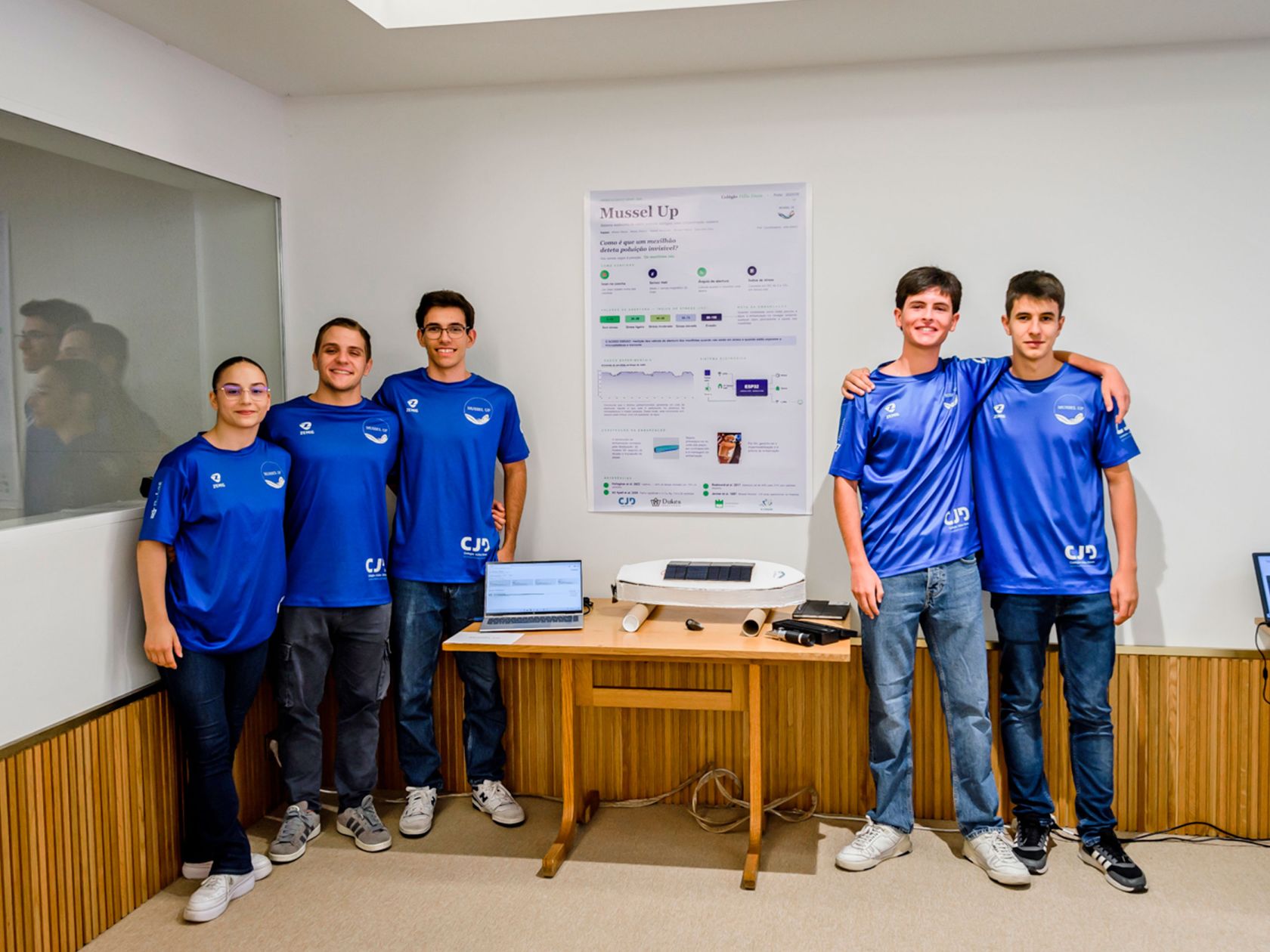
More than a national award, MusselUP demonstrates how classroom learning can evolve into meaningful scientific research, encouraging young people to apply creativity, collaboration and technology to real environmental challenges.
Want to learn more about this exciting project, and all the great things students are doing at CJD? Contact us for more information or to schedule a visit today.
Set The Portugal News as your preferred source for news on Google
 Add as a preferred source on Google


 Portugal Handbook
 English
 Nederlands
 Deutsch
 Français
 Español
 Italiano
 Svenska
 Pусский
 中文
 Türkçe
 Português
 Czech
 Hungarian
 Polski
 عربي
 Suomi
 עִברִית
 Português (Brasil)

Follow us on social media