


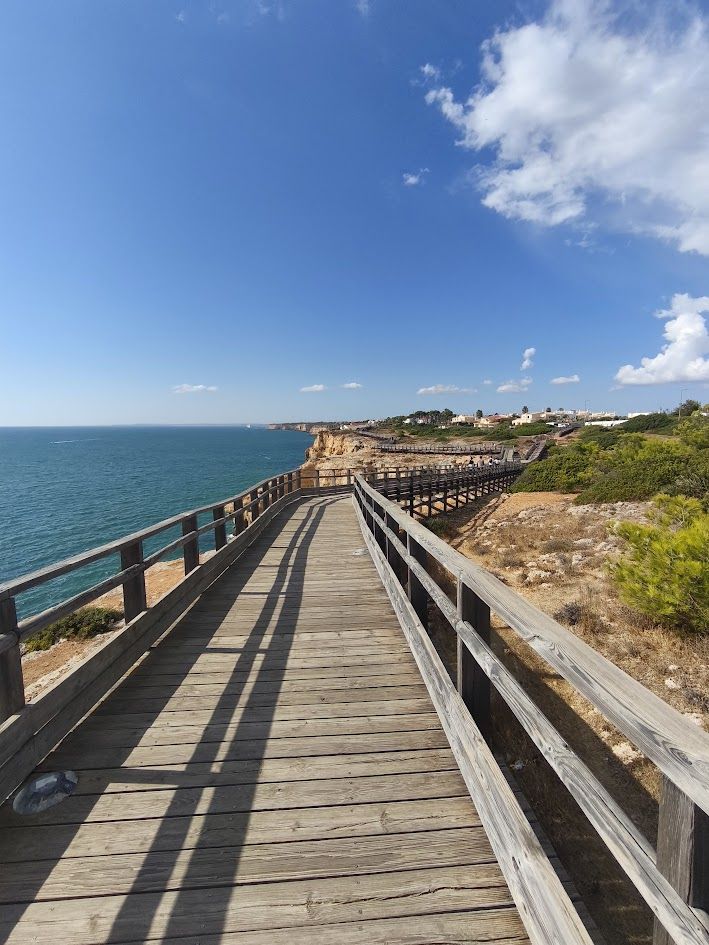
But sometimes, going outside for even a short walk can make us feel surprisingly better.
Walking is probably one of the easiest ways to get some exercise. We don't need expensive equipment, a gym membership or any special skills. All we need is a comfortable pair of shoes and a little bit of time. And while most of us know that walking is good for our physical health, we might not realise how much it can also help our mental wellbeing.
Why walking makes us feel better
Physical activity has long been associated with better mental health. The World Health Organization explains that regular physical activity can reduce symptoms of depression and anxiety, improve overall wellbeing and support better sleep.
The good news is we don't necessarily have to do any intense exercise at all to get some of these benefits. A simple walk at a comfortable pace is a good way to get some movement into your day, particularly for those of us who spend so much of our time sitting at a desk or working indoors.
According to the NHS, even a brisk ten-minute daily walk can contribute to our recommended weekly physical activity and has health benefits.
The benefits of spending time outdoors
Research suggests that spending time in natural environments can have additional benefits for our mental wellbeing.
A study published in the journal Scientific Reports in 2019 found that people who spent at least 120 minutes a week in nature were more likely to report good health and higher psychological wellbeing than those who spent no time in nature.
Living in Portugal, we are lucky to have so many beautiful places where we can enjoy being outdoors. Whether it is a walk along the coast, through a local park or simply around our neighbourhood, there are plenty of opportunities to get outside.
Personally, I think there is something relaxing about walking near the sea. The sound of the waves, the fresh air and the changing colours of the water can make even a short walk feel like a little escape from everyday life.
A break from our screens
Another reason why walking can be so beneficial is that it gives us a chance to disconnect.
Many of us spend hours looking at screens, whether for work, entertainment, or simply scrolling through social media. Even when we finish working, we often continue checking messages, reading news or looking at our phones.
Going for a walk can be a simple way to break this habit, even if only for twenty minutes.
Walking doesn't have to be another task
One of the good things about walking is that it doesn't need to become another obligation on our already busy schedules.
We often put pressure on ourselves to exercise more, achieve a certain number of steps or follow a strict fitness routine. But walking doesn't always need to be about reaching a goal.
Some days, we might feel like walking for an hour. On other days, ten or fifteen minutes might be all we have time for, and that is perfectly fine.
A short walk during a lunch break, an evening stroll after dinner or walking to a nearby café instead of driving can all be ways to add more movement to our day.
Walking with a friend or family member can also be a lovely opportunity to spend time together. Conversations often seem to flow more naturally when we are walking side by side, without the distractions of everyday life.
Making walking part of everyday life
The NHS recommends that adults aim for at least 150 minutes of moderate-intensity activity each week, and brisk walking can count towards this target.
If we are not used to being physically active, beginning with short, comfortable walks and gradually increasing the time can make the habit easier to maintain.
It can also help to choose places we genuinely enjoy visiting. After all, we are much more likely to continue doing something if we look forward to it.
The next time you feel overwhelmed, tired after a long day or simply in need of a little fresh air, try going outside for a walk.
Set The Portugal News as your preferred source for news on Google
 Add as a preferred source on Google


 Portugal Handbook
 English
 Nederlands
 Deutsch
 Français
 Español
 Italiano
 Svenska
 Pусский
 中文
 Türkçe
 Português
 Czech
 Hungarian
 Polski
 عربي
 Suomi
 עִברִית
 Português (Brasil)

Follow us on social media