


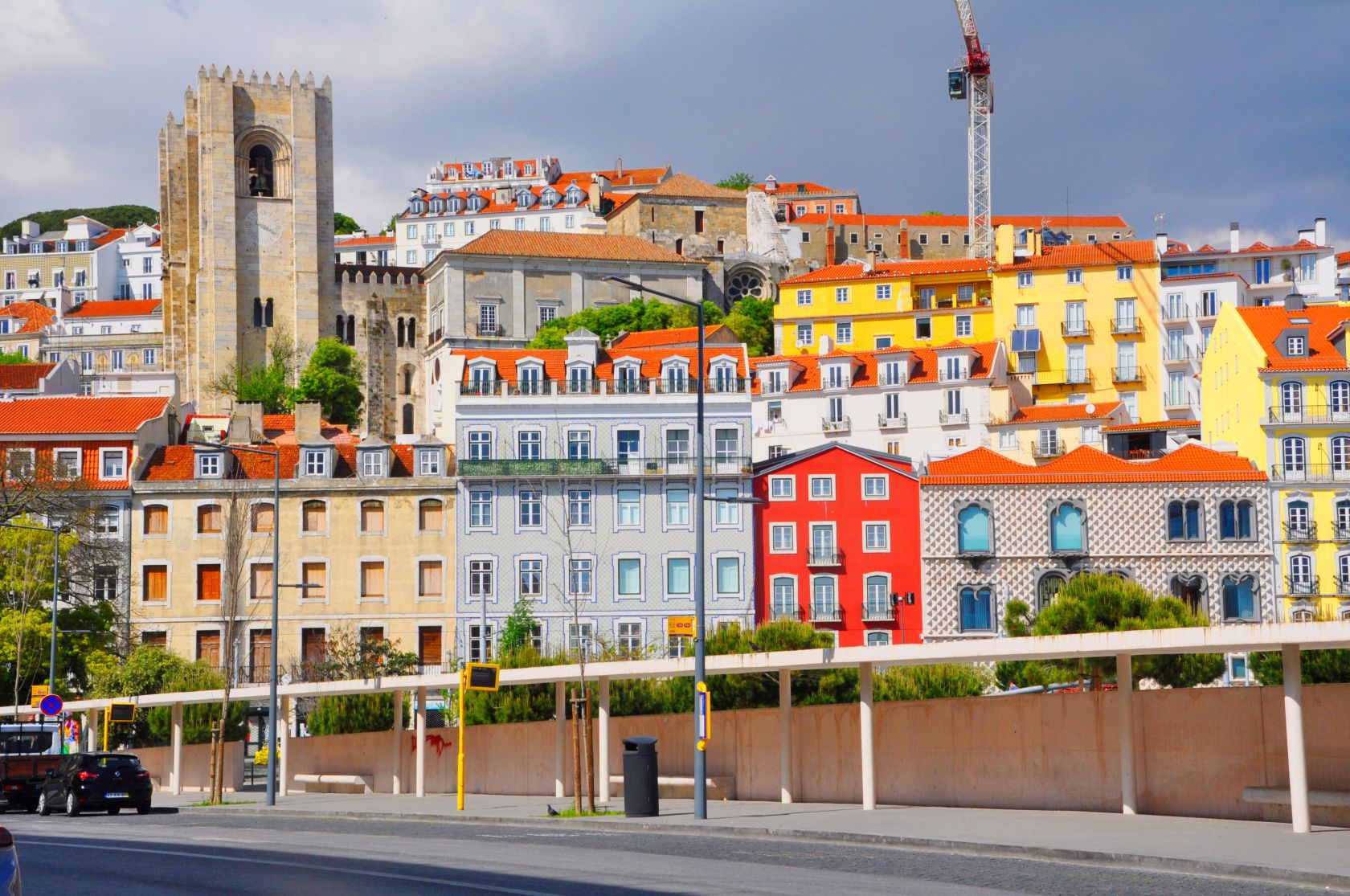
It is a necessary discussion, but one that often starts too late. Before a house reached the rental market, someone had to acquire the land, develop the project, finance the operation, build the building, and assume the risks associated with this whole process. The amount of rent that will be necessary to collect is inevitably related to these decisions and the costs accumulated over the course of the investment. Therefore, if we want to develop a more affordable rental market with a greater supply, we may need to look more closely at how we produce the housing we want to place in that market.
The signals coming from Germany help to understand the importance of this issue. According to data released by Heinze Marktforschung, in the first half of 2026 permits for prefabricated housing for rental increased by 126.3%, while in the group of multifamily buildings prefabricated construction grew by 52.1%, compared to 11.7% in conventional construction. These figures do not mean that industrialised construction has solved German housing problems, nor do they demonstrate that it is necessarily cheaper in all projects. But they do reveal an interesting evolution: industrial construction methods are beginning to gain expression in a segment where cost predictability, execution times and the ability to produce housing at scale can be decisive for the economic viability of investments.
This issue is particularly important when comparing real estate development for sale with projects developed specifically for rent. In the first case, the developer seeks to recover the invested capital through the marketing of the houses. In the second, the investment will have to be remunerated through income distributed over many years. This means that construction delays, budget overruns or additional financial burdens can significantly compromise the profitability of an operation. Industrialised construction, through the production of components in the factory, prefabrication and more standardised processes, can help reduce some of these risks and improve the predictability of projects. It does not eliminate the cost of land, taxes or licensing difficulties, but it can contribute to making certain phases of housing production more efficient.
Portugal has sought to find solutions to increase the supply of rentals, but continues to focus much of the discussion on tax incentives, legislation and relations between landlords and tenants. These are important dimensions, but insufficient if we cannot create conditions for new rental projects to be economically viable. A more developed residential market requires long-term investment, stability, construction capacity and production models compatible with household incomes. Industrialisation can play a relevant role, especially in developments with some scale and continuity, allowing for improved organisation of processes and reduced uncertainty associated with execution. But it also requires industrial investment, collaboration between developers and builders and a portfolio of projects that justifies this transformation.
Perhaps it is time to understand that a rental policy does not start when a house is put on the market, but much earlier, under the conditions under which that housing can be produced. If the construction and financing costs are too high, it will be difficult to create a private supply of affordable rental without additional support or risk-sharing mechanisms. Portugal therefore needs to discuss not only the rents that families can afford, but also the economic models that allow housing to be built for this purpose.
Because the real challenge is not just finding ways to make rents more affordable. It is to be able to produce housing whose cost allows these rents to be economically possible.
Set The Portugal News as your preferred source for news on Google
 Add as a preferred source on Google








 Portugal Handbook
 English
 Nederlands
 Deutsch
 Français
 Español
 Italiano
 Svenska
 Pусский
 中文
 Türkçe
 Português
 Czech
 Hungarian
 Polski
 عربي
 Suomi
 עִברִית
 Português (Brasil)

Follow us on social media