


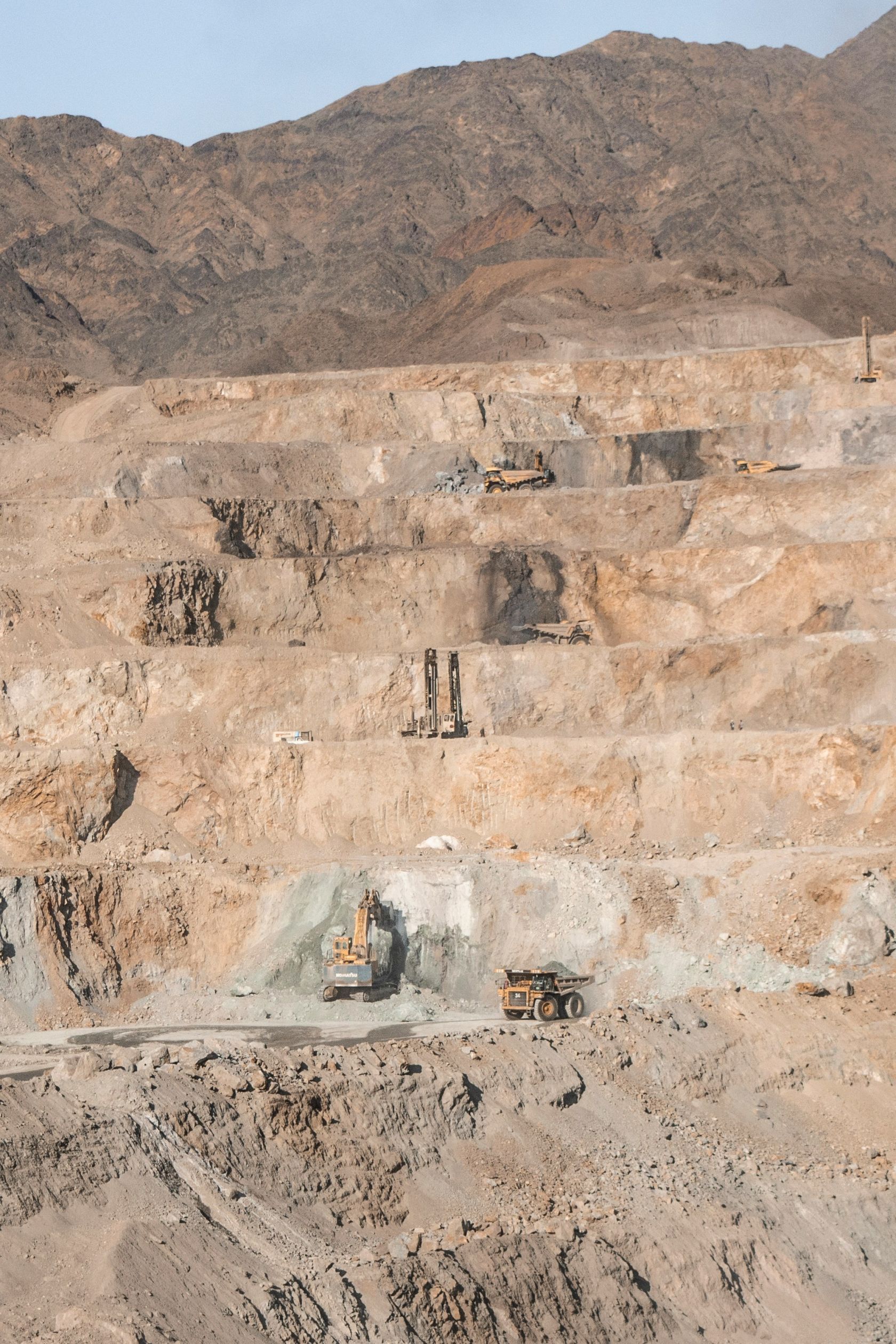
“The main objective of this project is to build new infrastructure and install more technologically advanced equipment, thereby improving the hydraulic and operational management of the current systems,” an EDM official told the Lusa news agency.
Zélia Estêvão added that this would be achieved “by regulating flow rates, optimising storage capacity and water management, both pre- and post-treatment, and implementing more efficient solutions for managing, containing, and treating the soils and sludge resulting from these processes.”
“The aim is also to enhance the robustness, reliability, and lifespan of existing infrastructure, ensuring continued operation with high technical and environmental efficiency while guaranteeing compliance with current legal and regulatory requirements,” she emphasised.
This project is co-financed by the 2021-2027 Central Regional Program (Centro 2030) and focuses on former mining sites in two municipalities within the Viseu district: Nelas and Mangualde.
In Nelas, the work covers the Urgeiriça site in the parish of Canas de Senhorim; in Mangualde, it covers Quinta do Bispo, located in the Union of Parishes of Mangualde, Mesquitela, and Cunha Alta.
According to Zélia Estêvão, over the past two decades, these areas have undergone “environmental remediation interventions aimed at soil decontamination, waste pile stabilisation, radiological protection, and the construction of drainage, containment, and water treatment systems.”
However, “the experience EDM has gained over more than twenty years of operating and maintaining this infrastructure highlighted the need to reinforce and modernise the systems currently in place” at these former mining sites.
“The intervention helps reinforce public health protection by maintaining high levels of environmental and radiological control, ensuring the continued treatment of water from former mining operations, and reducing potential environmental risks associated with these areas,” he emphasised.
In other words, upon completion of the project, for which the tender was launched on 16 July and which has a one-year execution timeframe, EDM expects the areas in question to feature “more modern, resilient, and efficient systems, ensuring the long-term maintenance of the results already achieved” during the environmental remediation process.
The project was well received by the mayors of these two municipalities in the Viseu district; the mayor of Nelas highlighted it as “excellent news for Urgeiriça, for the municipality, and also for the environment and public health.”
Joaquim Amaral further noted that the project’s advancement is a cause for “great satisfaction, particularly regarding the underlying treatment and management of contaminated water and soil”—an intervention that “was long overdue.”
“A long-held wish of the local population is now becoming a reality. An intervention that should have been carried out long ago is finally seeing the light of day,” he said.
For Mangualde Mayor Marco Almeida, this investment “is particularly relevant because it reinforces environmental protection and ensures the monitoring and continuous treatment of contaminated water.”
In Marco Almeida’s view, the initiative “contributes to protecting public health and water resources, reducing environmental risks associated with the legacy” of uranium mining, “and consolidates the rehabilitation work already carried out” at Quinta do Bispo.
For the Socialist mayor, this project also “demonstrates the State’s and EDM’s commitment to ensuring lasting environmental remediation, adding value to the territory and reinforcing public confidence.” “The launch of this tender therefore represents an important step toward completing an environmental remediation process begun several years ago, ensuring that Mangualde continues to benefit from strategic investments in the cleanup of historical environmental liabilities,” he emphasised.
 Add as a preferred source on Google





 Portugal Handbook
 English
 Nederlands
 Deutsch
 Français
 Español
 Italiano
 Svenska
 Pусский
 中文
中文 Türkçe
 Português
 Czech
Czech Hungarian
 Polski
 عربي
عربي Suomi
Suomi עִברִית
 Português (Brasil)
Follow us on social media