


“The decision aims to ensure the best possible safety conditions for participants, prevent thousands of people from gathering in a high-risk forest area, and keep the civil protection services fully available to respond to any incident,” the council stated on its official website.
The municipality of Bragança states that the programme originally planned for Rio de Onor – comprising scientific, educational and cultural activities, exhibitions, as well as observation of the phenomenon – will go ahead in full, but at the aerodrome, where 99 per cent of the sun’s rays are blocked.
Change of venue
A change of venue had already been under consideration, given the weather conditions and the risk of wildfires in recent days.
“The council will continue to monitor weather conditions and the risk of wildfires on an ongoing basis (…), taking all necessary measures to ensure this historic event takes place with the highest standards of safety and organisation,” it added.
The Bragança Centro de Ciência Viva, which is also responsible for the programme of activities, had already opened registration for the event and, although the venue has been changed, it guarantees that those who have registered will still be provided with certified eclipse viewing glasses; the eclipse will be observed on site under the guidance of professional and amateur astronomers, alongside organised activities and workshops, and the provision of water.
Solar eclipse
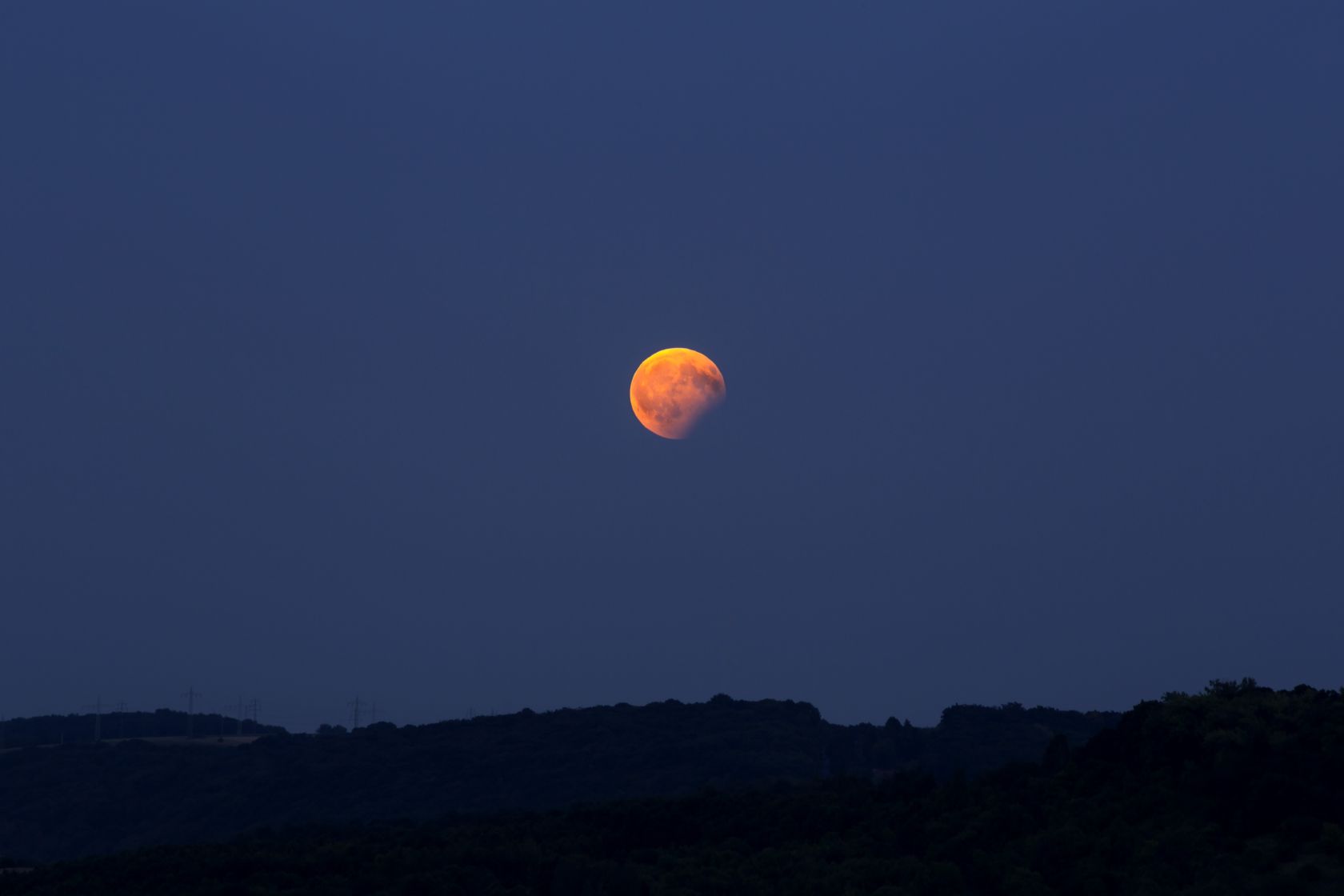
The solar eclipse will take place on 12 August, but totality will only be visible in the villages of Rio de Onor and Guadramil, in Bragança, right in the heart of the Montesinho Natural Park. In the rest of the protected area, the sun will be obscured by around 99 per cent.
This rare phenomenon, which has not occurred in Portugal for over 100 years, has already led to all accommodation in the municipalities of Bragança and Vinhais – the only municipalities within the Montesinho Natural Park – being fully booked.
 Add as a preferred source on Google





 Portugal Handbook
 English
 Nederlands
 Deutsch
 Français
 Español
 Italiano
 Svenska
 Pусский
 中文
中文 Türkçe
 Português
 Czech
Czech Hungarian
 Polski
 عربي
عربي Suomi
Suomi עִברִית
 Português (Brasil)
Follow us on social media