


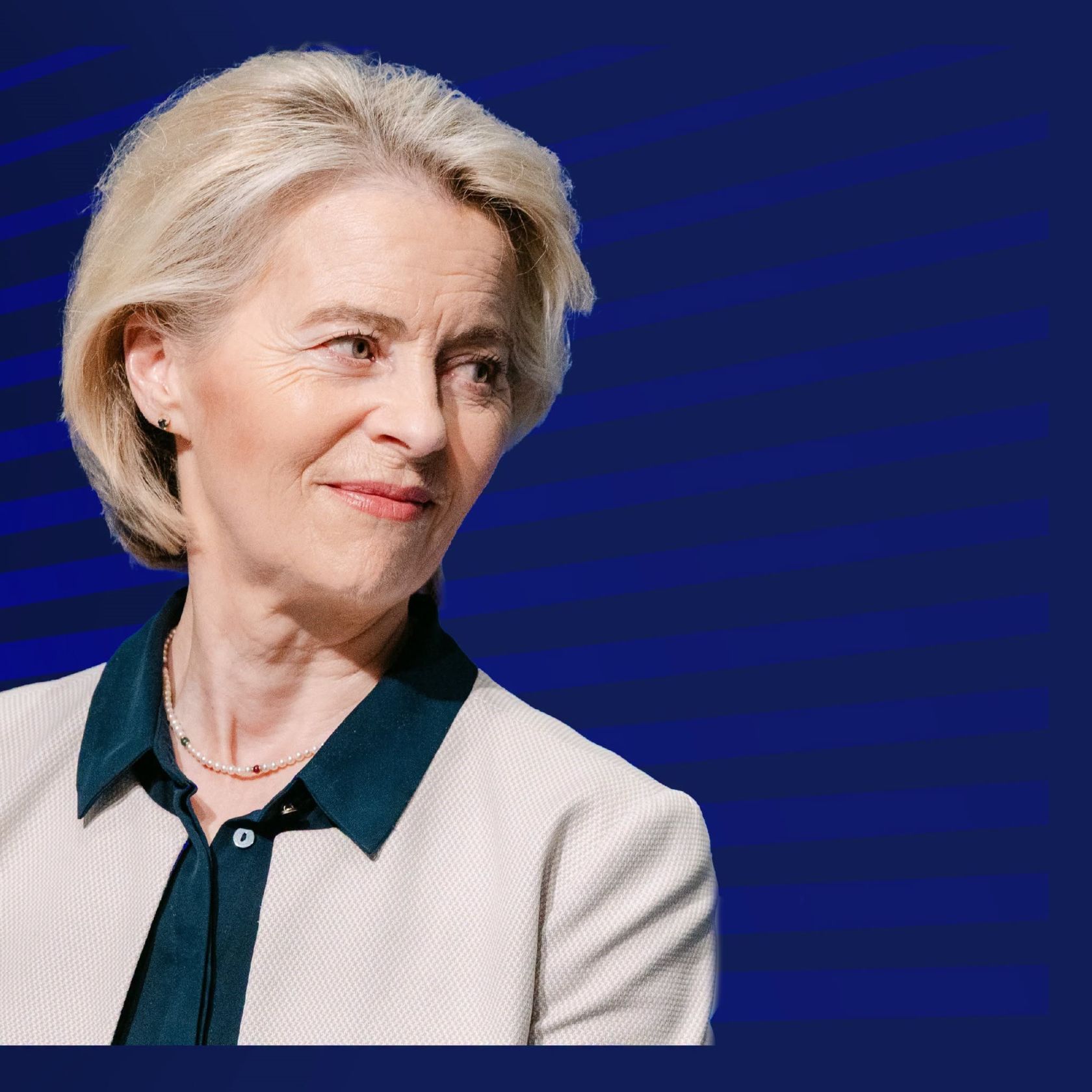
Delivering her annual State of the Union address at the European Parliament in Strasbourg on 16 September, von der Leyen pointed to war, hybrid attacks and political extremism among the threats facing the continent.
She described the EU as stronger than ever, while acknowledging that it can also feel unusually fragile in the current political climate.
Von der Leyen argued that Europe has responded to recent crises by becoming less dependent on others and taking greater responsibility for its own security and prosperity.
Among the changes she highlighted were the reduction in Europe’s reliance on Russian fossil fuels, increased defence capacity, changes to industrial policy and efforts to strengthen the EU’s position in international trade.
Europe choosing its own path
Independence has become one of the central themes of the Commission’s agenda over the past year.
The Commission says it has been working to reduce strategic dependencies, improve European competitiveness, strengthen defence, continue support for Ukraine and build new international partnerships.
For von der Leyen, those efforts are increasingly important as relations between the world’s major powers shift.
She told MEPs that Europe had chosen to chart its own course and was emerging “stronger and more independent”. She argued that acting collectively through the EU gives individual Europeans greater sovereignty than countries could achieve alone.
The speech comes as the EU faces pressure on several fronts, from the continuing war in Ukraine and competition with China to a changing relationship with the United States.
Von der Leyen also used Wednesday’s address to set out priorities for the coming year, with European competitiveness, defence and security, energy, democracy and the EU’s ability to act more independently all high on the agenda.
Her assessment of Europe was ultimately a mixed one: the Union has become stronger through a succession of crises, she argued, but the world around it has also become considerably less stable.
 Add as a preferred source on Google







 Portugal Handbook
 English
 Nederlands
 Deutsch
 Français
 Español
 Italiano
 Svenska
 Pусский
 中文
中文 Türkçe
 Português
 Czech
Czech Hungarian
 Polski
 عربي
عربي Suomi
Suomi עִברִית
 Português (Brasil)
Follow us on social media