


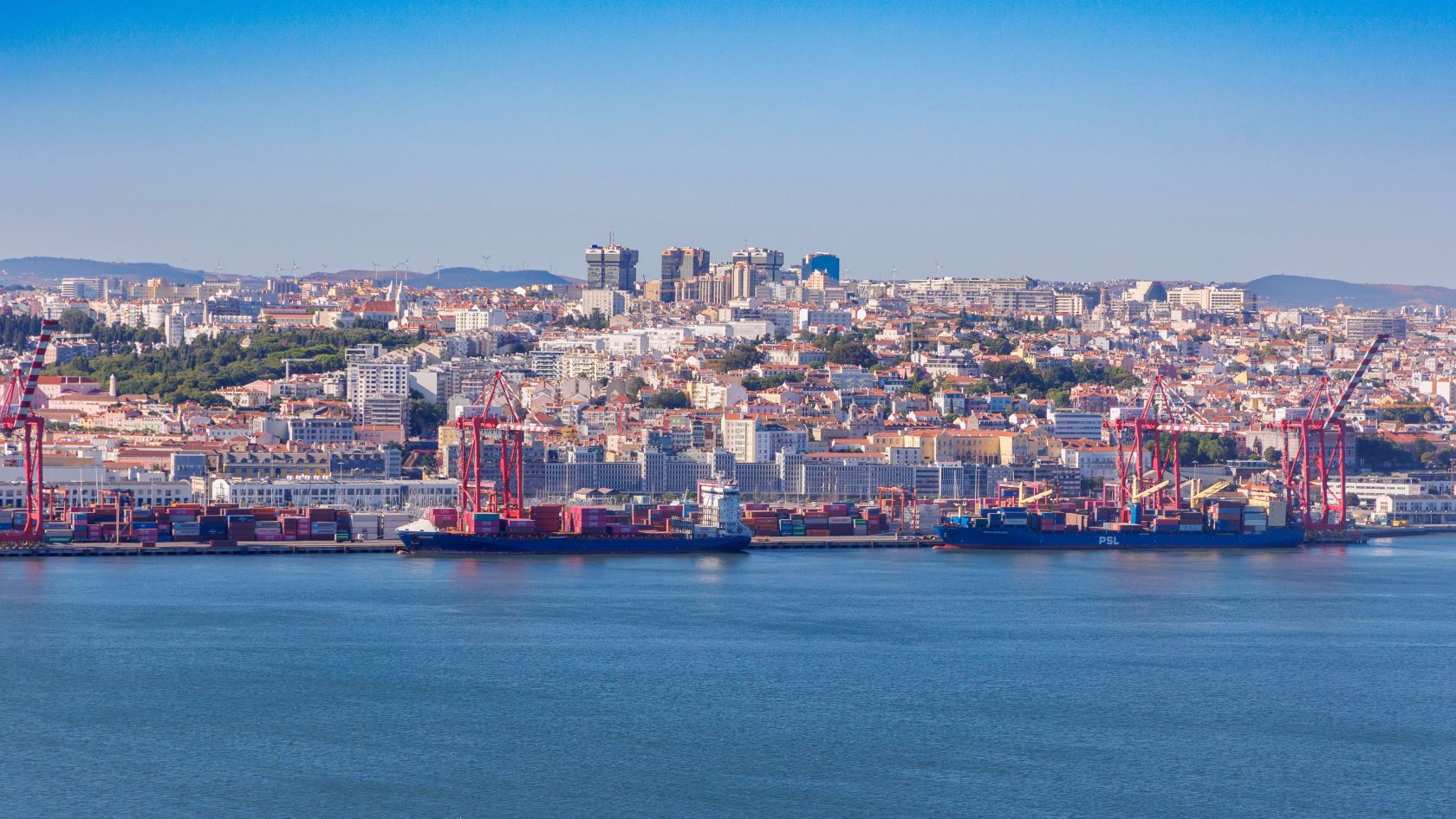
The number is interesting not only for its size, but above all for what it tells us about the transformation of the Portuguese economy. For many years we have become accustomed to associating national exports with textiles, footwear, cork, wine or other traditional sectors. They continue to be fundamental and many of them have managed, in fact, to reinvent themselves through design, technology, quality and the construction of international brands. But alongside this, exporting Portugal is today another, increasingly technological and specialised.
Automobiles and components, electrical equipment, electronics, precision instruments, information and communication technologies and pharmaceutical products today have a relevant weight in our sales abroad. The case of the pharmaceutical industry is particularly significant: since 2021, exports from this area have grown by an average of 37.8% per year, significantly increasing their weight among the most technologically intensive products exported by the country.
There is also a less visible transformation. Exporting more technologically sophisticated products usually means incorporating more engineering, knowledge, research, intellectual property and skilled labour. It means that a growing part of our economy begins to compete not just on price, but through the ability to produce something that other markets value and are willing to buy.
It is precisely here that these numbers should be seen with some balance. Portugal is progressing, but it is still far from having completed this transformation. The European Union average for the weight of medium and high technology products in exports of goods is 57%, well above the Portuguese 44%. Portugal also occupies the 17th position among the Member States in absolute value of these exports.
Perhaps that is precisely why this data is so interesting. It does not show that we have reached the destination. It shows that we are going in a direction that is worth delving into.
The next challenge will be to increase the value created in Portugal within these international chains. It is not enough to manufacture components or receive production units. We need to develop more research, engineering, decision-making centres, technology and intellectual property, while creating conditions for more Portuguese companies to be able to grow internationally.
For too long we have discussed the Portuguese economy mainly from what we lack. Productivity, wages, business scale and investment continue to be real challenges. But it is also important to understand what is already changing, because recognising a positive evolution does not mean ignoring the problems. It means understanding where we are creating bases that can help solve them.
Perhaps one of the most relevant transformations of our economy is precisely here: Portugal is not just exporting more. It is slowly changing what it exports.
Set The Portugal News as your preferred source for news on Google
 Add as a preferred source on Google








 Portugal Handbook
 English
 Nederlands
 Deutsch
 Français
 Español
 Italiano
 Svenska
 Pусский
 中文
中文 Türkçe
 Português
 Czech
Czech Hungarian
 Polski
 عربي
عربي Suomi
Suomi עִברִית
 Português (Brasil)
All well and good.
"Automobiles and components, electrical equipment, electronics, precision instruments, information and communication technologies and pharmaceutical products"
How much of this work originated in Portugal and not farmed out here as wages are low?
By Mark from Lisbon on 26 Sep 2026, 10:21