


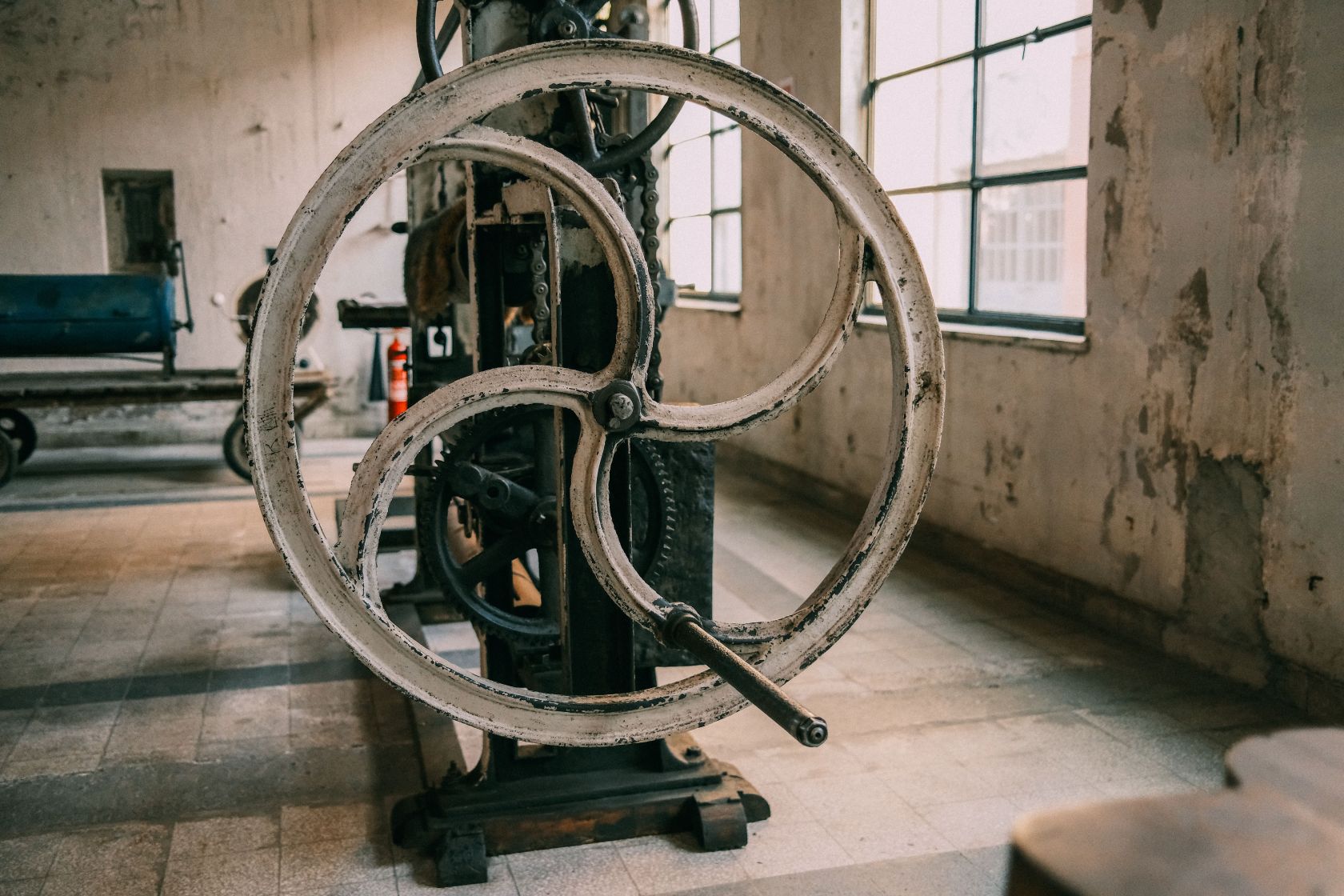
Perhaps these numbers are surprising because we still have a relatively limited image of what the Portuguese economy is today. When we talk about Portugal abroad, we quickly think of tourism, wine, footwear, textiles, cork or, more recently, startups and technology. We talk much less about the huge industrial base that exists between these two worlds. And it exists.
Portugal produces components for some of the most demanding industries in the world, develops engineering solutions, manufactures moulds, equipment, electronic systems and specialised industrial products. In mobility, for example, exports of vehicles and components reached 15.3 billion euros in 2025. In aeronautics, space and defence, there is now a national ecosystem with hundreds of companies and entities. In architecture, engineering and construction materials, Portuguese companies participate in projects spread across dozens of international markets.
The most interesting thing is to understand how a part of this industry has changed. Many Portuguese companies have stopped competing only on the ability to produce at a competitive price and have started to offer engineering, flexibility, customisation, speed, innovation and the ability to solve complex problems for their customers.
This transformation is particularly important at a time when the global industrial organisation itself is changing. European companies are looking for more resilient supply chains, proximity has gained importance again, and sectors such as energy, defence, mobility, automation, and digital infrastructure increasingly require specialised suppliers. Portugal may find an opportunity here that we may not yet value enough.
But there is also a challenge. Manufacturing is important. Developing the product, controlling the technology, creating intellectual property, building a brand and reaching the end customer directly allows you to capture an even greater share of the value. It is this movement that we need to accelerate.
A Portuguese company that goes from being a supplier of a part to an engineering partner moves up the value chain. If it develops its own technology, it goes up again. If it can sell this solution directly in several international markets, it further increases the value that remains in the Portuguese economy.
This is also why talking about industry does not mean looking to the past. Today's industry increasingly intersects with artificial intelligence, robotics, software, new materials, energy, data and automation. The boundary between an industrial company and a technology company is much less evident today than it was twenty years ago.
Perhaps we need, therefore, to update the image we have of our own economy. Portugal continues to be tourism, wine, footwear, textiles and cork, sectors that have been able to gain a huge international reputation. But it is also engineering, metalworking, mobility, electronics, aeronautics, space, health and technology.
Getting to know this Portugal better is not just a matter of pride. It is important to understand where we should invest, what skills we need to train and where some of the best opportunities to increase productivity and wages may be.
There is an industrial Portugal that already competes with the world. Perhaps we are the ones who do not yet know it well enough.
Set The Portugal News as your preferred source for news on Google
 Add as a preferred source on Google








 Portugal Handbook
 English
 Nederlands
 Deutsch
 Français
 Español
 Italiano
 Svenska
 Pусский
 中文
中文 Türkçe
 Português
 Czech
Czech Hungarian
 Polski
 عربي
عربي Suomi
Suomi עִברִית
 Português (Brasil)
Follow us on social media