


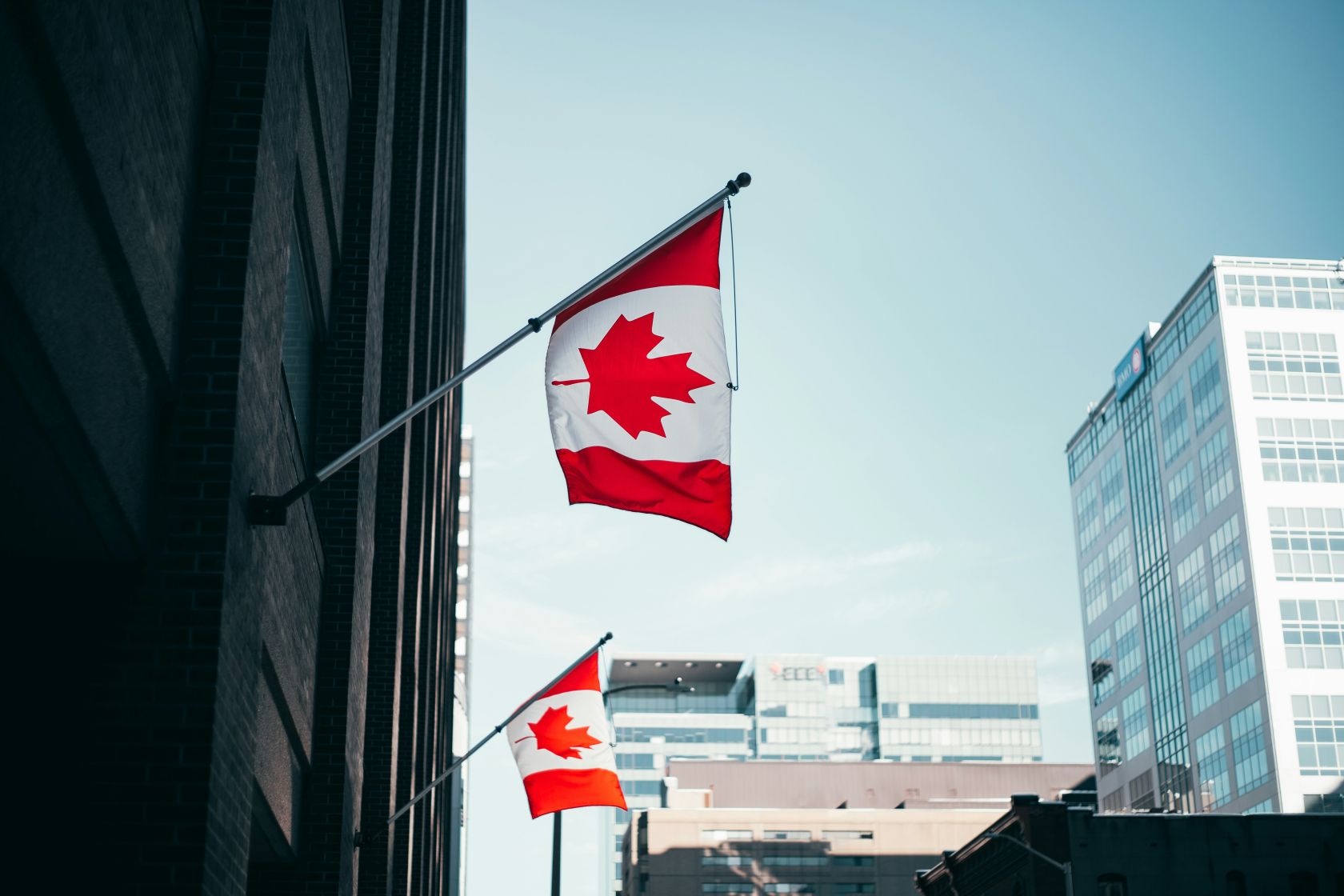
The European Union (EU) and Canada are meeting today in Montreal, Canada, to discuss their political, economic, and strategic partnership.
The President of the European Council, António Costa, and the President of the European Commission, Ursula von der Leyen, will represent the EU at the 21st bilateral summit, which takes place on 29 and 30 October, along with Canadian Prime Minister Mark Carney, Executive Digest reports.
“Associate member” status
Canada and European Union officials have dropped references to Canada as an “associate member” from the joint summit declaration. A previous draft statement had included at least two references to Canada as an associate member, including an acknowledgement that defining the term would take another year, Reuters reports.
European Commission President Ursula von der Leyen’s suggestion that Canada could become an associate member has been a divisive issue in negotiations among EU countries over the summit declaration.
There is no precedent or legal definition for an EU “associate member,” and German officials had argued that they could not “sign up to a concept that had no legal status and had not been fleshed out,” diplomats said.
Deeper ties with Europe are an important part of Prime Minister Mark Carney’s strategy to reduce Canada’s economic and security reliance on the US following President Donald Trump’s imposition of tariffs on Canadian goods.
US President Donald Trump previously called the EU’s proposal to make Canada an associate member “laughable” and said he interpreted the move as a “hostile act,” threatening that the US might stop trading with Europe “on many things” as a result, according to Reuters.
Regarding Canada’s potential status as an EU associate member, Carney said: “The good news is it doesn’t matter about specific names or nomenclature,” adding: “What matters is the difference it will make to the lives of Canadians.”
Economic cooperation
In 2025, trade in goods and services between the EU and Canada reached around €130 billion, more than 80% higher than the value recorded in 2016; therefore, economic cooperation will be a central theme of the meeting.
Strengthening supply chains and access to critical raw materials, as well as the possibility of increasing Canadian exports of liquefied natural gas to Europe, are other areas of discussion.
An “Alliance for the Future” between Canada and the EU is being discussed and should serve as a framework for shared prosperity and economic security, supported by new concrete initiatives to deepen trade relations, strengthen investment and enhance cooperation in strategic areas.
The summit’s agenda includes trade, digital technologies, critical raw materials, defence and security, as well as cooperation in the fields of education, research, innovation and youth, Executive Digest reports.
Defence and security
Canada is the only non-European country associated with the SAFE instrument, which provides €150 billion to support European defence equipment production through joint purchases.
The two partners are also expected to reaffirm their support for Ukraine, along with their commitment to multilateralism and the rules-based international order.
Trade and innovation
The relationship between the EU and Canada is based on the Strategic Partnership Agreement and the Comprehensive Economic and Trade Agreement (CETA), which was signed in 2016 and has been provisionally applied since September 2017, eliminating most customs duties and facilitating trade.
Beyond trade, Canada and the EU recently held the fifth round of negotiations on a digital trade agreement last month in Brussels, Belgium, on 28 and 29 September.
The negotiations covered the digital trade disciplines of the future agreement, including “cross-border data flows, protection of software source code, protection of personal data and privacy, cooperation on digital trade, online consumer protection, open government data, and institutional provisions.”
Canada has also been associated with the EU’s Horizon Europe research and innovation programme since 2024, and the EU and Canada cooperate on climate, environment and digital transformation.
Horizon Europe is the EU’s funding programme for research and innovation, which “tackles climate change, helps to achieve the UN’s Sustainable Development Goals and boosts the EU’s competitiveness and growth,” and supports the creation and wider dispersal of knowledge and technologies, according to the EU website.
At the June 2025 summit, the two partners signed a security and defence partnership, and the leaders will assess the progress made since that meeting and issue a joint statement at the end of this summit.
Set The Portugal News as your preferred source for news on Google
 Add as a preferred source on Google


 Portugal Handbook
 English
 Nederlands
 Deutsch
 Français
 Español
 Italiano
 Svenska
 Pусский
 中文
 Türkçe
 Português
 Czech
 Hungarian
 Polski
 عربي
 Suomi
 עִברִית
 Português (Brasil)

Follow us on social media