


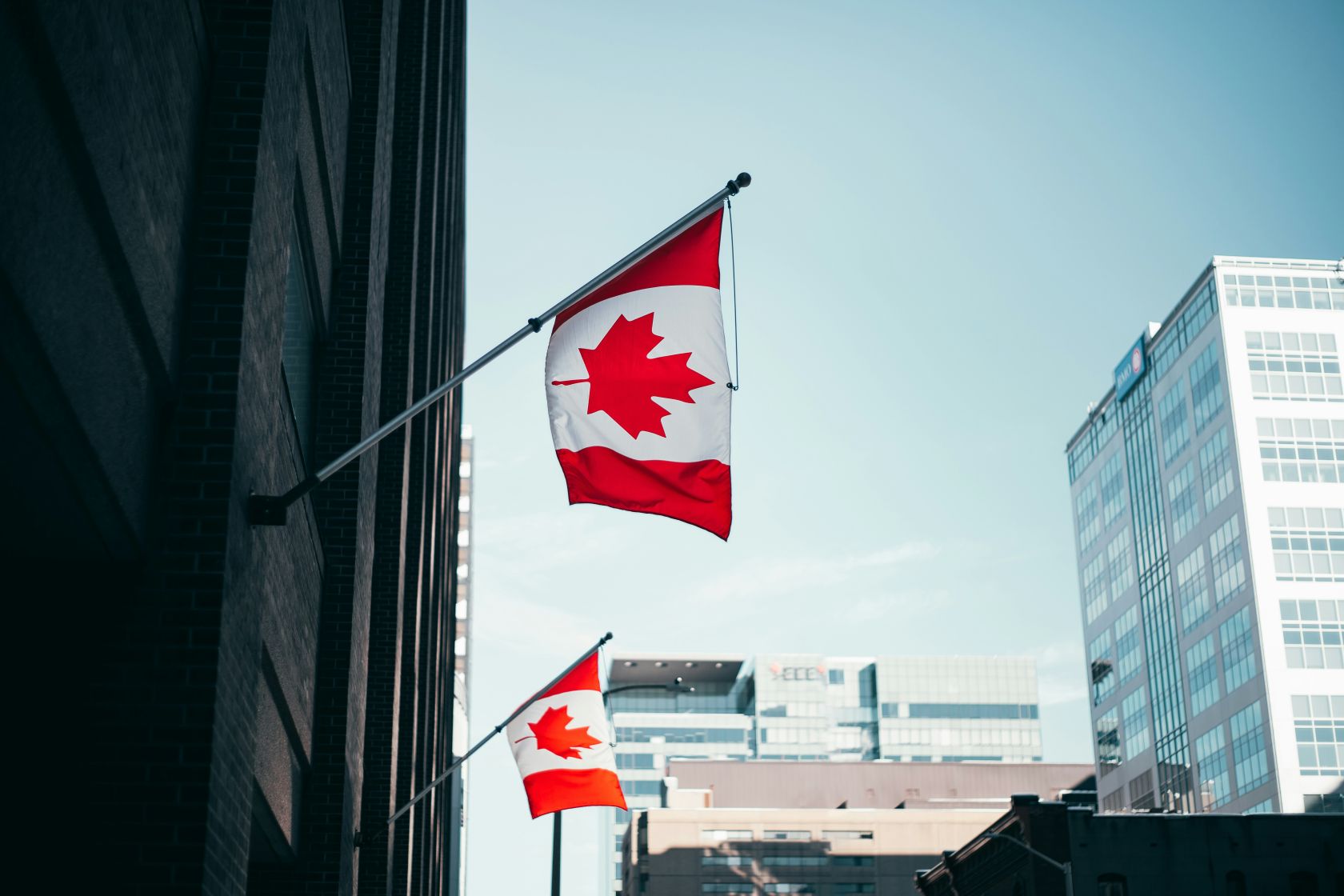
At the State of the Union debate in Strasbourg on Wednesday, 16 September, the President of the European Commission, Ursula von der Leyen, argued that the EU and Canada should take their partnership “to the highest possible level.”
This year, the State of the Union debate had Canadian Prime Minister Mark Carney as guest of honour, Jornal de Negócios reports.
Von der Leyen proposed that Canada should become an “associate member” of the EU: “We must quickly reimagine our partnerships. Therefore, I would like to work with you to open the door for Canada to be the first associate member of the EU,” she said.
Historic first
If Carney and the 27 member states approve, Canada will become the first associate member of the European Union.
Prior to the State of the Union debate, a report in The Wall Street Journal indicated that this possibility was being considered, with Carney rejecting it: “We are not seeking to become members of the EU,” he said. “What we are seeking – and what we will begin discussions on – is a unique alliance between Canada and the European Union,” he said, adding that Canada shares with the EU “the same values and priorities,” and both have “very complementary characteristics.”
Rooted in democracy
During von der Leyen’s address, she described the collective ideals between Canada and the EU: “We share an ocean, a set of values, a way of seeing the world. And now we will also build our future together,” she said, receiving standing ovations from MEPs and Mark Carney, Jornal de Negócios reports.
Von der Leyen also emphasised Canada and the EU’s shared belief in democracy: “Our cultural, historical and social ties are deeply rooted,” she said. “We see the world with the same eyes: from artificial intelligence to climate change, from the Arctic to geopolitics. And we have been united in Ukraine, in defence, in raw materials and in supply chains. But above all, Europe and Canada believe in democracy.”
Trade, defence and tariff retaliation
This proposed partnership comes at a time when Canada and the United States are in an escalating trade war, with Ottawa responding to tariffs imposed by the Trump administration with retaliatory measures. According to Ursula von der Leyen, “this is a partnership not against anyone,” but to create “a common force.”
Concurrently, the relationship between Brussels and Washington has become more strained, with strong disagreement and successive threats of new tariffs from the US, as happened amid the dispute over Greenland.
In terms of trade and defence, von der Leyen argued that a partnership would strengthen cooperation between the two sides. Trade relations have grown 75 percent in less than a decade, with the Comprehensive Economic and Trade Agreement (CETA) implemented since 2017. Brussels expects them to grow even more in the coming years with greater economic integration, Jornal de Negócios reports.
Alliance for the Future
During the address, von der Leyen said the partnership will move from CETA to an Alliance for the Future to create prosperity and economic security. She went on to list the various projects that the EU and Canada will collaborate on: “We will work on smart industry. We will create a technological alliance. We will integrate the industrial bases of defence. We will make the Arctic a flagship joint project. We will work on energy, critical minerals and batteries, on AI, quantum computing, cybersecurity and economic security.”
According to von der Leyen, power does not belong to the strongest, the richest, or those who speak the loudest, but “to all of us,” and the freedom of democracies to choose with whom to work is a fundamental belief for the EU.
 Add as a preferred source on Google







 Portugal Handbook
 English
 Nederlands
 Deutsch
 Français
 Español
 Italiano
 Svenska
 Pусский
 中文
中文 Türkçe
 Português
 Czech
Czech Hungarian
 Polski
 عربي
عربي Suomi
Suomi עִברִית
 Português (Brasil)
Follow us on social media