


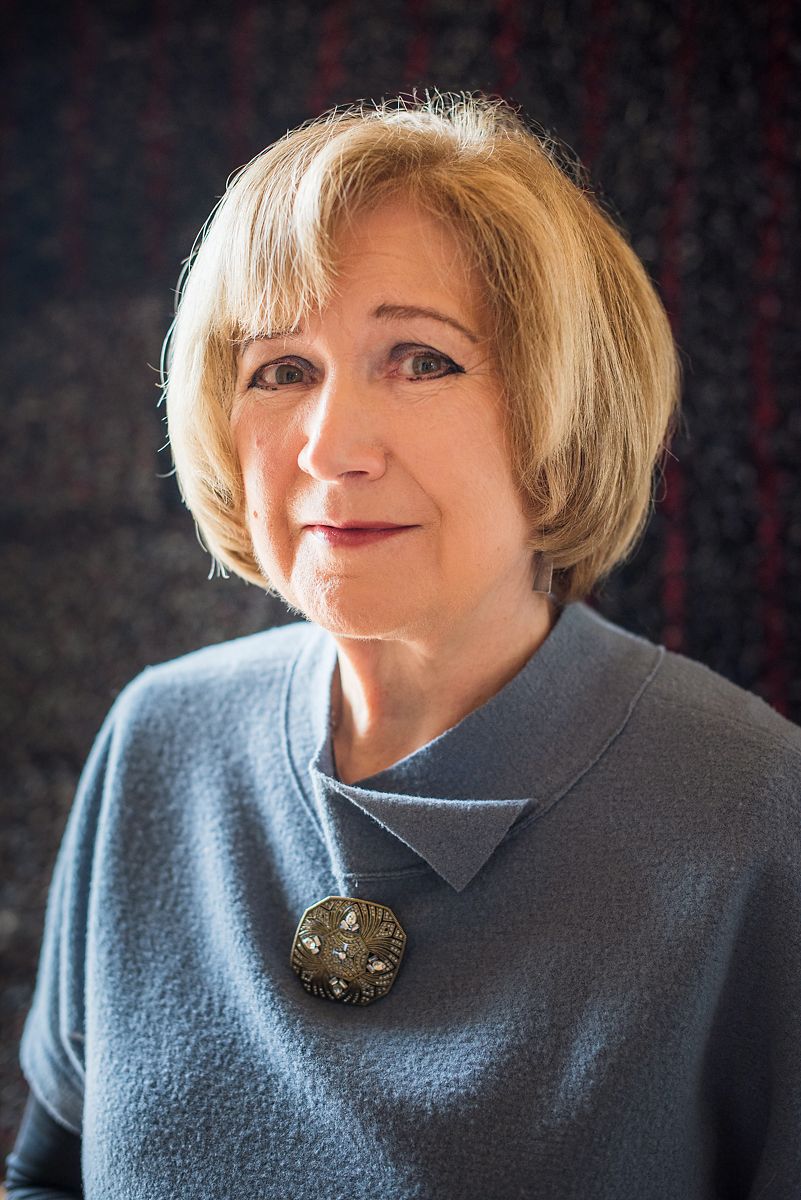
The award, presented annually by the Austrian Federal Ministry for Housing, Arts, Culture, Media and Sport, celebrates authors whose work has had a significant impact on European literature. Previous recipients include internationally acclaimed writers such as Margaret Atwood, Mircea Cărtărescu, Javier Marías and Maggie O’Farrell.
The jury praised Jorge’s body of work for its literary depth, exploration of identity and history, and its ability to address universal themes while remaining firmly rooted in Portuguese society.
One of Portugal’s leading literary voices
Born in the Algarve town of Loulé in 1946, Lídia Jorge is widely regarded as one of Portugal’s most influential contemporary authors. She emerged as a leading literary figure in the aftermath of the Carnation Revolution of 1974, with many of her novels examining the social, political and cultural transformations that reshaped Portugal during the late twentieth century.
Her debut novel, O Dia dos Prodígios (The Day of Prodigies), published in 1980, is considered one of the defining works of modern Portuguese literature. Since then, she has written numerous novels, essays, short stories and plays, many of which have been translated into several languages.
Among her best-known works are A Costa dos Murmúrios (The Murmuring Coast), Os Memoráveis (The Memorable Ones) and Estuário (Estuary), all of which explore themes including memory, colonialism, migration and the complexities of Portuguese identity.
International recognition
Although highly respected in Portugal for decades, Jorge has also built a strong international reputation through translations of her work and appearances at literary festivals across Europe and beyond.
The Austrian State Prize further cements her standing as one of Portugal’s foremost cultural ambassadors, recognising not only her literary achievements but also her contribution to European intellectual and cultural life.
The distinction comes at a time when Portuguese literature continues to enjoy growing international attention. Nobel Prize winner José Saramago, poet Sophia de Mello Breyner Andresen, and novelist António Lobo Antunes have all helped raise the profile of Portuguese writing abroad, while contemporary authors such as Jorge continue to introduce new generations of readers to the country’s literary tradition.
The Austrian State Prize for European Literature will be presented during an official ceremony in Salzburg later this year.
 Add as a preferred source on Google







 Portugal Handbook
 English
 Nederlands
 Deutsch
 Français
 Español
 Italiano
 Svenska
 Pусский
 中文
中文 Türkçe
 Português
 Czech
Czech Hungarian
 Polski
 عربي
عربي Suomi
Suomi עִברִית
 Português (Brasil)
Follow us on social media