


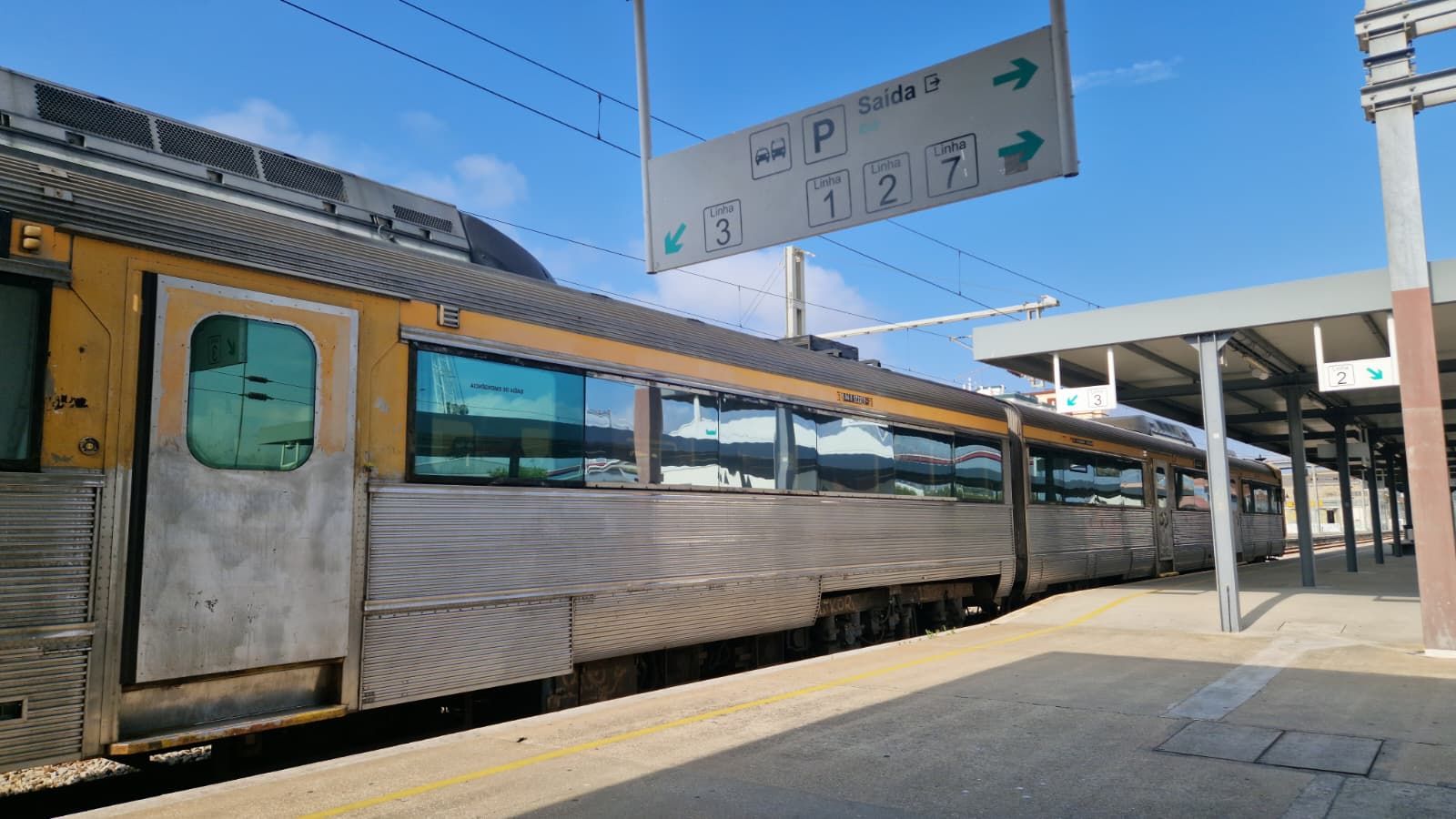
The investment, amounting to €1.064 billion and having been secured from the multinational company Alstom, involves the construction of 81 units at the future Guifões plant in Matosinhos. The other 72 trainsets will meanwhile be assembled at the industrial site in Santa Perpètua, Barcelona. The industrial production phase is due to begin in Spain in 2027, with the first commercial services planned for 2029 and the final deliveries scheduled for 2031.
The manufacturing project in the municipality of Matosinhos—with construction getting under way in July and a duration of one year—will help to boost the local economy by generating 300 direct jobs and about 1,000 indirect ones.
As reported by 24 Notícias, some of the workers employed in Portugal in 2027 will receive specialised technical training at the facility in Barcelona before the domestic assembly line is launched, at which point the trainsets intended for Lisbon and Porto's suburban services will be assembled.
The first order has been increased from 117 to 153 units after the public operator exercised the option clause stated in the contract.
The number of trainsets to be built in Spain notably comprises 55 units meant for regional use, capable of reaching speeds of up to 160 km/h—this being faster than the 120 km/h speed limit of the Series 2240 rolling stock, which comes from the 1970s and 1980s and is expected to be slowly withdrawn.
As stated to the same publication by the project managers of Alstom Portugal, the technical and engineering teams from both companies are still working on the industrialisation plan in order to have the first trainsets enter service by the required date.
 Add as a preferred source on Google







 Portugal Handbook
 English
 Nederlands
 Deutsch
 Français
 Español
 Italiano
 Svenska
 Pусский
 中文
中文 Türkçe
 Português
 Czech
Czech Hungarian
 Polski
 عربي
عربي Suomi
Suomi עִברִית
 Português (Brasil)
Follow us on social media