


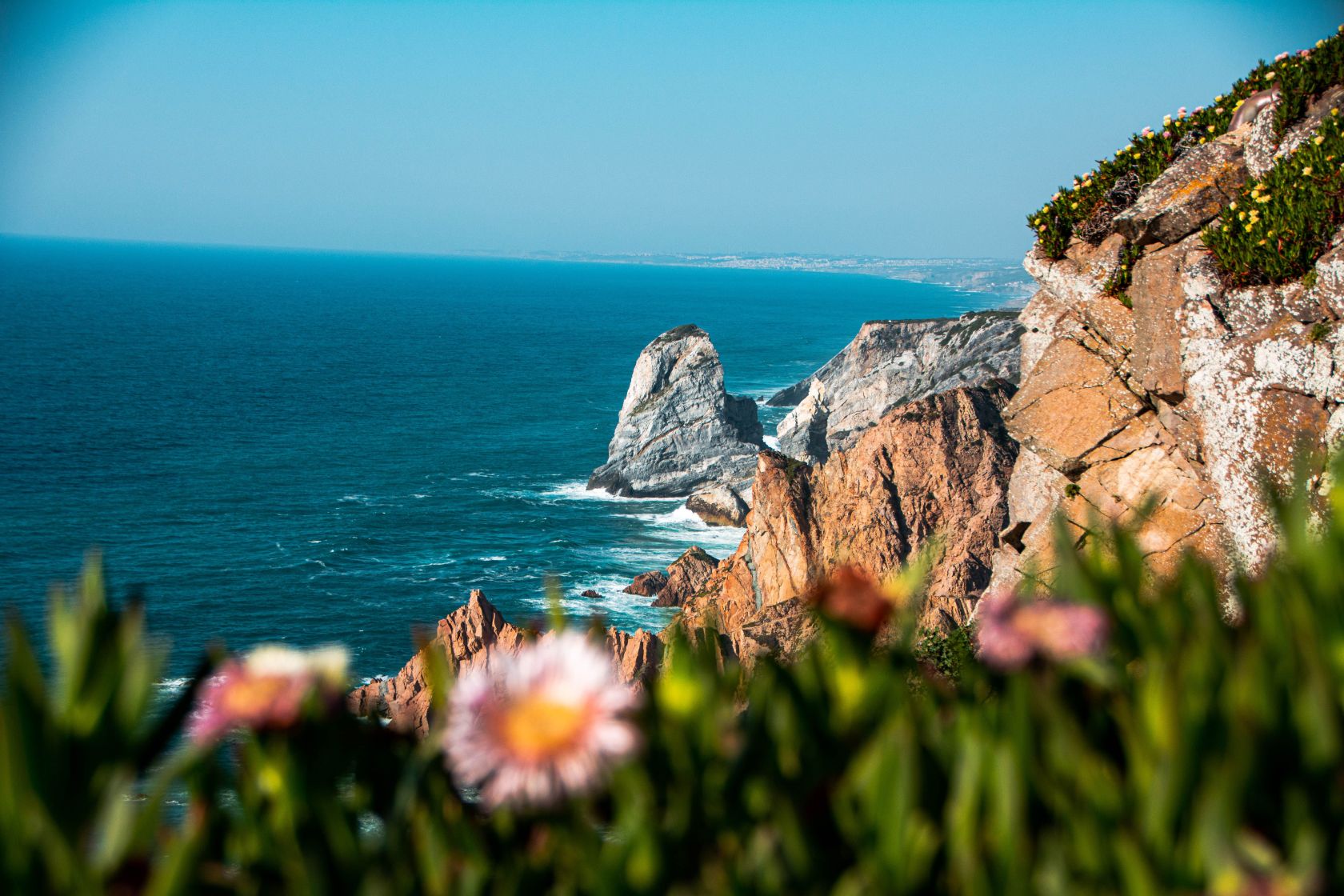
The coast shapes almost everything here. It influences what appears on restaurant menus, how weekends are spent and why towns developed where they did. Morning might begin with a walk above the cliffs, lunch with fish caught locally and the afternoon on a beach, boat or paddleboard. Even in winter, when the sunbeds disappear and the summer crowds thin out, the coastline remains very much in use.
What makes the Algarve particularly interesting is that there isn’t one Algarve coast. Travel from Odeceixe towards the Spanish border and the landscape continually changes. The western Atlantic coast is wild and exposed, with powerful surf and dark cliffs. Around Lagos and farther east, limestone creates the golden coves, arches and sea caves that have become the region’s calling card. Beyond Faro, the Ria Formosa takes over, replacing dramatic cliffs with lagoons, salt marshes and long barrier islands.
For visitors, that means an enormous choice of beaches. For those who live here, it means choosing which version of coastal life suits them best.
The Algarve: A Coastline Like No Other
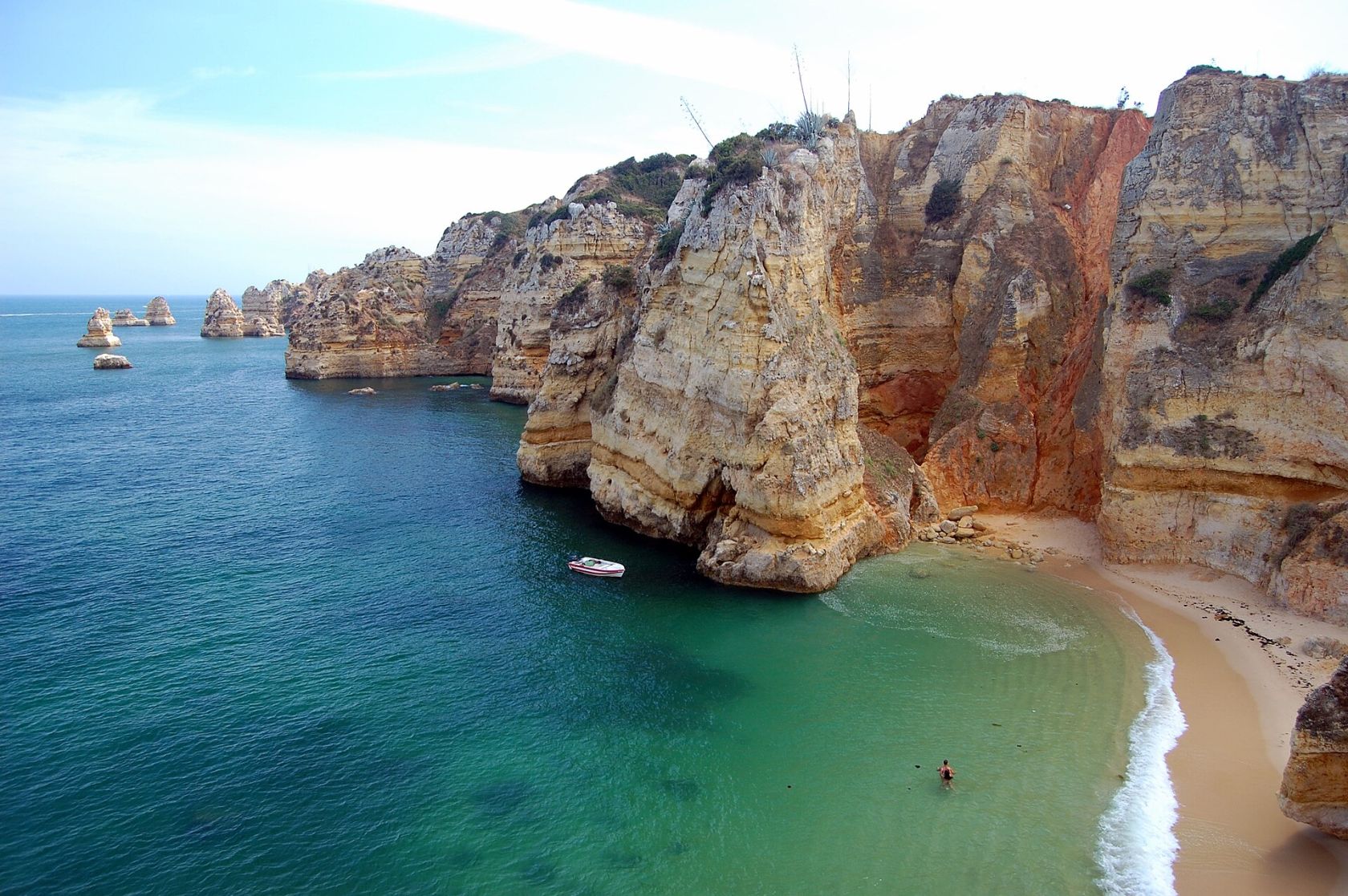
The Algarve coastline stretches for roughly 200 kilometres, but distance doesn’t tell the full story.
Begin around Aljezur and the Atlantic feels untamed. Beaches such as Amoreira, Arrifana and Amado sit between imposing cliffs, attracting surfers and anyone who prefers their coastline relatively undeveloped. Continue around Cabo de São Vicente and Sagres and the landscape begins to change.
By Lagos, the Algarve of the postcards has arrived. At Ponta da Piedade, the sea has carved limestone into arches, pillars, caves and hidden coves. The same geological drama continues east towards Carvoeiro and Benagil.
Travel farther east again and the cliffs gradually give way to something completely different. Around Faro, Olhão and Tavira, the Ria Formosa stretches for around 60 kilometres, with channels and salt marshes sheltered behind sandy barrier islands.
Few coastlines manage quite so many costume changes in such a relatively short distance.
Beaches for Every Taste
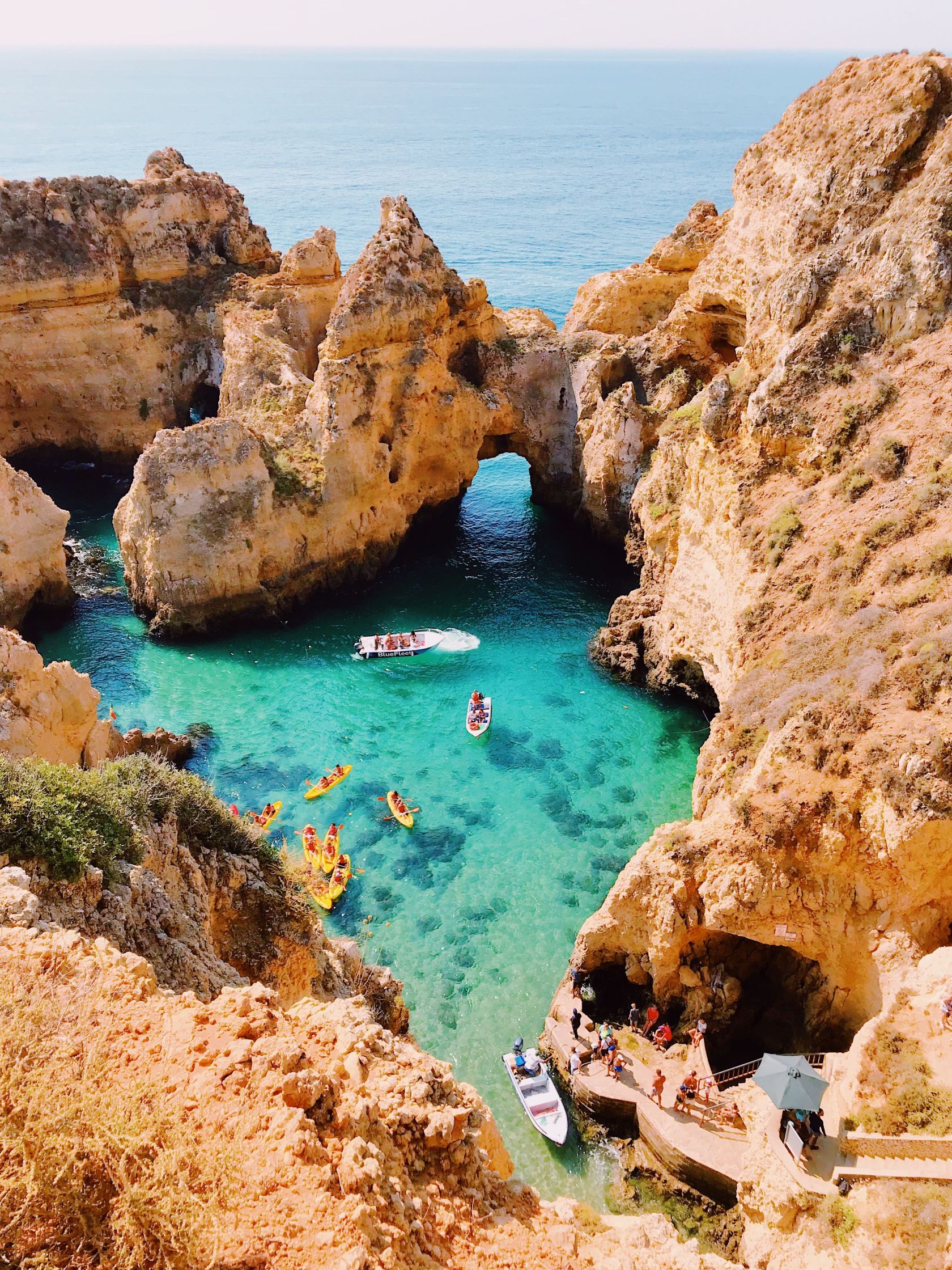
Asking someone to name the Algarve’s best beach is an excellent way to start an argument.
There are around 200 kilometres of beaches, ranging from tiny coves surrounded by rock to enormous stretches of open sands.
The west coast is the choice for wild scenery and surf. Around Lagos, beaches such as Dona Ana and Camilo squeeze beneath golden cliffs. Praia da Marinha and the coast around Benagil offer some of the region’s most recognisable limestone scenery.
Families may prefer the gentler conditions farther east. Beyond the Ria Formosa, places such as Manta Rota, Altura and Monte Gordo have wide expanses of sand and large areas of shallow water. (Visit Portugal)
Then there are the islands. Boats from Faro, Olhão, Fuseta and Tavira cross the lagoon to long Atlantic beaches on Culatra, Armona and Ilha de Tavira.
Living here means the beach doesn’t have to be an event. Sometimes it is simply where you go after work.
All recommendations within this article are informed by expert editorial opinion. If you click on a link in this story, we will earn affiliate revenue
A Paradise for Water Lovers
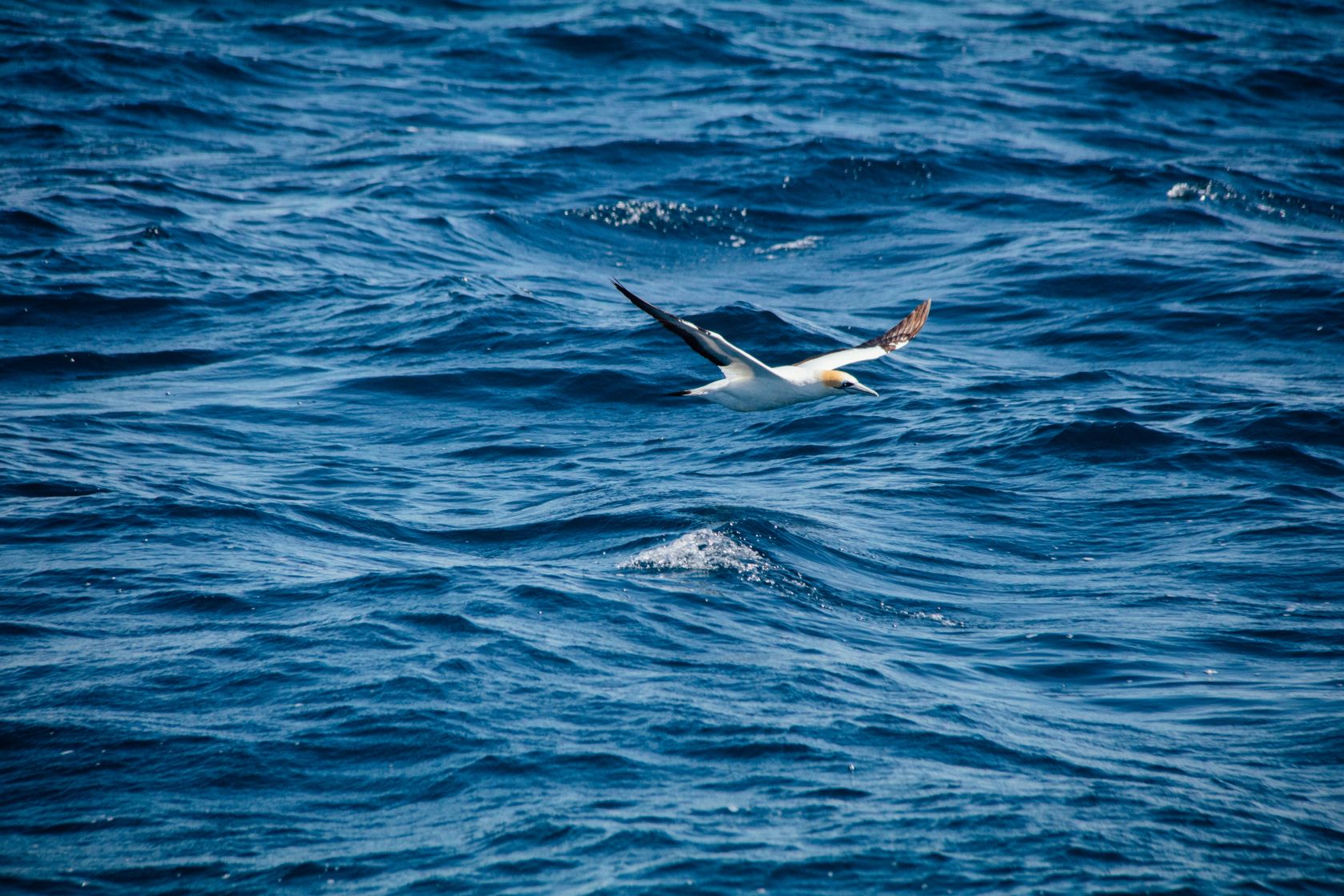
Looking at the Algarve from the beach only tells half the story.
Sailing, surfing, windsurfing, diving, kayaking and paddleboarding are possible along much of the coastline, but again, location changes the experience. The exposed west coast around Aljezur and Sagres attracts surfers, while the calmer southern coast lends itself to sailing and exploring by boat.
Kayaking around Lagos reveals caves and rock formations that are almost invisible from above. Around the Ria Formosa, the experience is gentler, with boats and kayaks moving through channels between marshland and islands.
The region’s marinas add another dimension. Vilamoura, Lagos, Portimão and Albufeira provide bases for everything from sailing to longer trips along the coast.
You don’t need to be particularly adventurous either. Swimming before breakfast counts.
Charming Fishing Villages

Tourism transformed the Algarve, but traces of the region’s older relationship with the sea are still everywhere.
Ferragudo’s white houses descend towards the Arade opposite Portimão, and fishing remains part of the identity of this once-small riverside community. Farther west, Burgau and Salema retain connections with fishing along a coastline now equally known for beaches and holiday homes.
In the east, Olhão has one of the Algarve’s strongest maritime characters, with its waterfront market and access to the Ria Formosa islands. Santa Luzia, near Tavira, is closely associated with octopus fishing, while Fuseta remains another working coastal community beside the lagoon.
These places have inevitably changed, but boats, markets and seafood restaurants provide reminders that the Algarve existed long before package holidays.
Often, they’re also very good places to have lunch.
The Beauty of the Atlantic

The Atlantic can be beautiful, but it isn’t always gentle.
Nowhere is that clearer than on the Costa Vicentina. Between Odeceixe and Sagres, cliffs rise above beaches exposed to ocean swells, and the landscape has a wildness that feels very different from the sheltered southern Algarve. This stretch forms part of Portugal’s longest protected coastal area.
The Fishermen’s Trail follows the coast towards Cabo de São Vicente, using paths historically associated with access to fishing grounds and beaches.
Turn east around Sagres and the character of the sea gradually changes. Golden limestone replaces darker cliffs and sheltered bays begin to appear.
That contrast is part of the Algarve’s beauty. The Atlantic isn’t simply the backdrop to the region. It created much of what people come here to see.
And on windy winter days, it is very good at reminding everyone who’s in charge.
Coastal Living
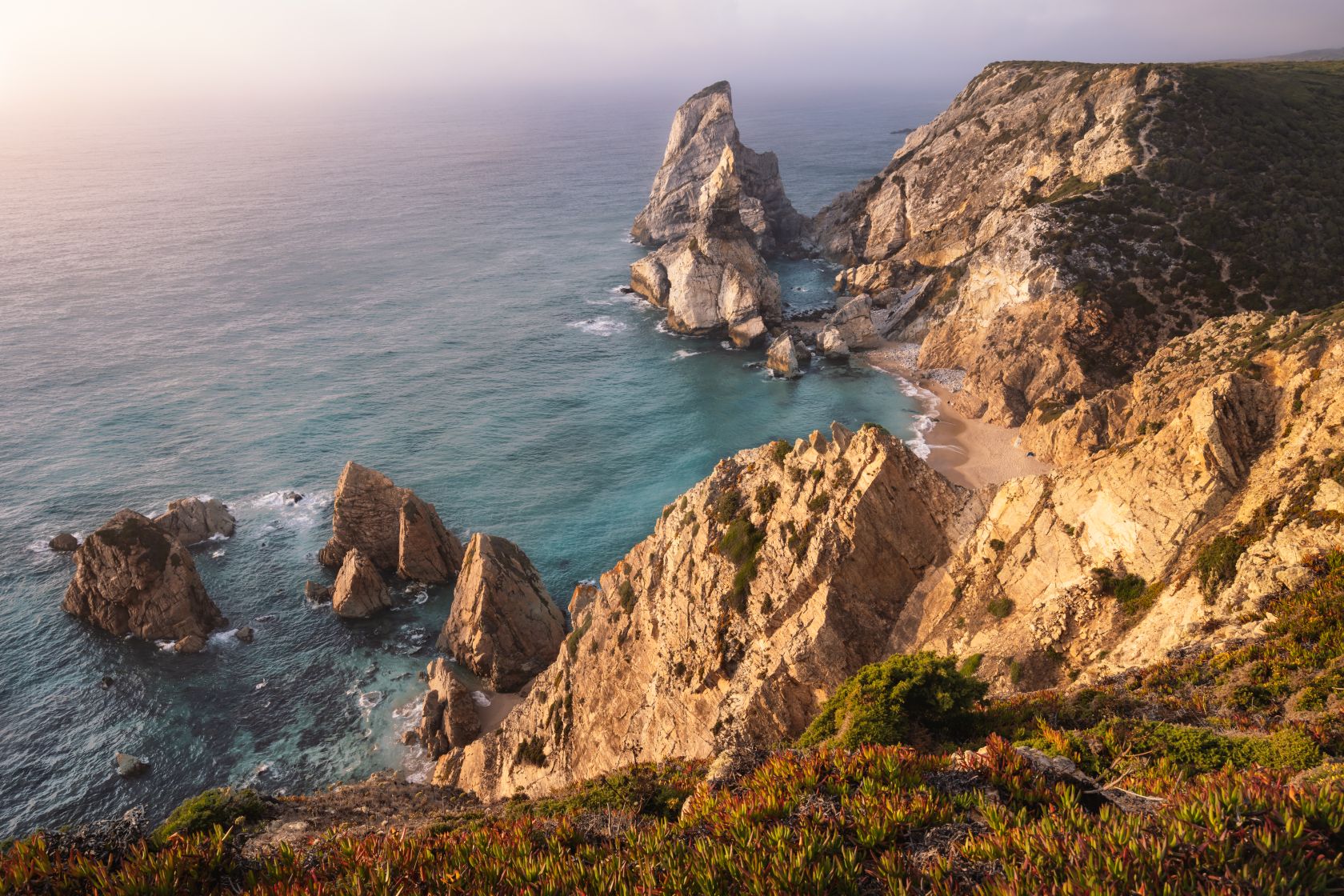
Perhaps the greatest luxury of living near the Algarve coast is that you don’t have to experience it like a tourist.
There is no need to fit Ponta da Piedade, a beach and a boat trip into the same afternoon. The beach can wait until tomorrow.
Coastal life might mean walking beside the sea in Lagos before work, cycling around the Ria Formosa, buying fish in Olhão or having coffee overlooking the water in Tavira. The Algarve’s Coastal Ecovia links communities along much of the region, passing through places including Lagos, Ferragudo, Vilamoura, Faro, Olhão, Fuseta, Santa Luzia and Tavira.
Where you choose to live makes a difference. The western Algarve offers a wilder landscape and stronger Atlantic influence. The central coast has marinas, resorts and easier access to a broad range of services. Head east and the landscape flattens around the Ria Formosa, with a slower rhythm and long sandy islands replacing the famous cliffs.
Summer brings the crowds, of course. Coastal roads become busier and favourite beaches considerably less private. But living here also means discovering the other Algarve, when September turns into October, restaurant tables are easier to find, and the beach is still there.
That may be the real appeal of coastal living. The view that somebody has travelled hundreds or thousands of kilometres to see can simply become part of the way home.
Click here to book your next visit.
Set The Portugal News as your preferred source for news on Google
 Add as a preferred source on Google






 Portugal Handbook
 English
 Nederlands
 Deutsch
 Français
 Español
 Italiano
 Svenska
 Pусский
 中文
中文 Türkçe
 Português
 Czech
Czech Hungarian
 Polski
 عربي
عربي Suomi
Suomi עִברִית
 Português (Brasil)
Follow us on social media