


The best way to eat in Portugal isn’t necessarily to seek out the fanciest restaurant. Markets, family-run tascas, bakeries, seafood restaurants and neighbourhood cafés often tell you far more about how a place actually eats. Even Portugal’s tourism authority encourages visitors to look beyond restaurants to cafés, taverns, pastry shops and markets.
So arrive hungry. These are 14 places worth travelling for the food alone.
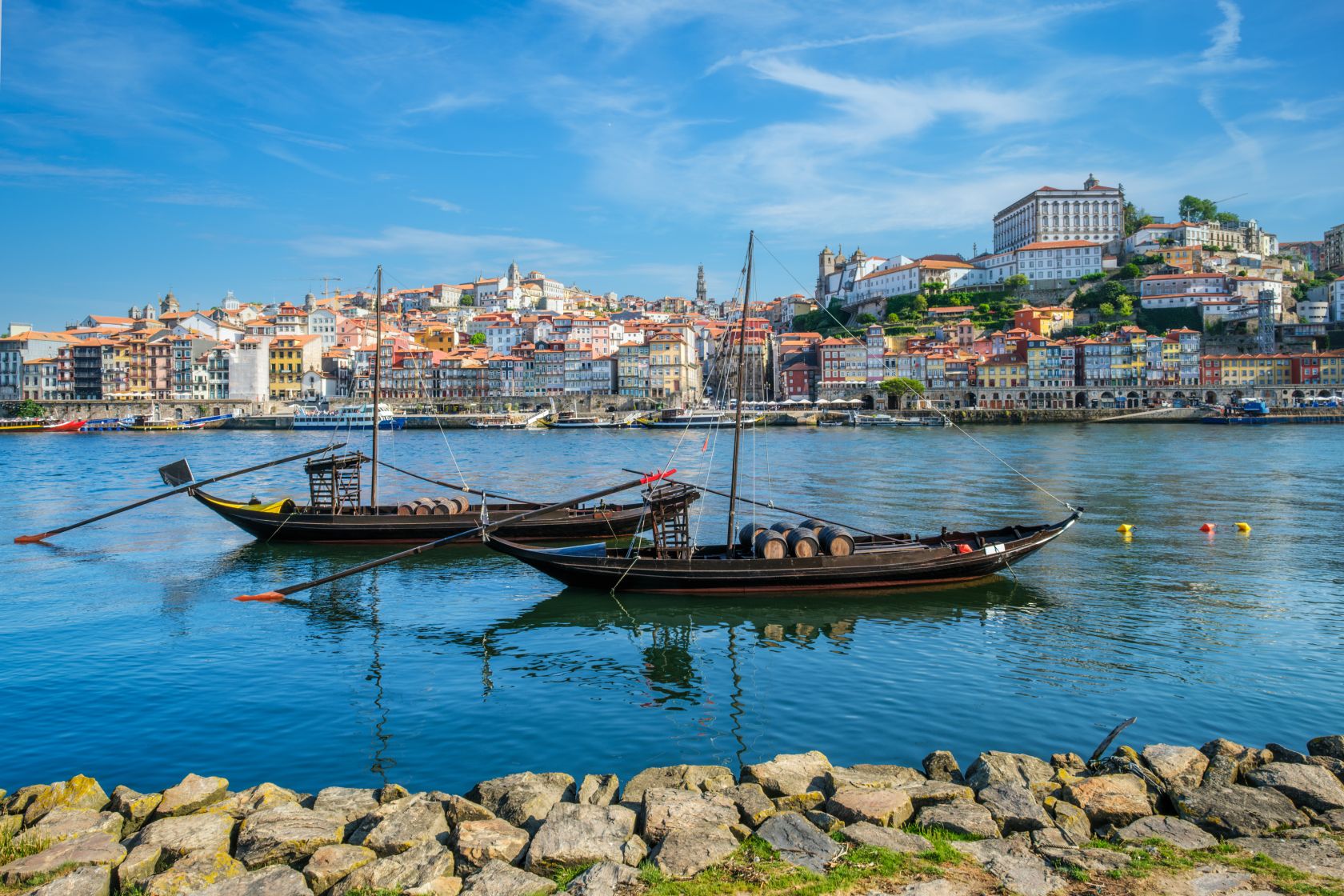
1. Porto
Best for: Francesinha and unapologetically hearty food
Porto doesn’t believe in leaving you hungry.
Its most famous creation is the francesinha, a formidable sandwich layered with meat, covered with melted cheese and served in a rich sauce, usually with chips. But stopping there would be a mistake. Tripas à moda do Porto, roast kid, caldo verde and cod dishes belong to a broader northern cooking tradition where substantial portions are very much part of the appeal.
Add fresh Atlantic fish and a glass of port across the river in Gaia and you have a city where eating lightly requires considerable self-discipline.
2. Braga

Best for: Traditional Minho cooking
Braga is the place to arrive properly hungry.
Minho cuisine is rich, generous and particularly fond of pork. Rojões, chunks of pork traditionally cooked until tender, are a northern staple, while papas de sarrabulho and other traditional dishes reflect a style of cooking built for substance rather than restraint. Pork, sausages and regional meats remain central to the food culture of northern Portugal.
Bacalhau also appears in numerous forms, and nearby Vinho Verde country supplies the obvious accompaniment.
This is not really small-plate territory. Order accordingly.
3. Viana do Castelo

Best for: Minho cooking beside the Atlantic
Viana do Castelo gets the best of two worlds.
Its position on Portugal’s northern coast means fresh fish and seafood sit naturally alongside the heavier meat dishes associated with the Minho. Grilled fish, octopus and cod are restaurant staples, while rojões, regional sausages and substantial traditional dishes remind you that you’re still very much in northern Portugal.
Look for bacalhau à Minhota, typically fried cod served with potatoes and onions, and finish with one of the region’s many egg-rich traditional sweets.
Come for the Atlantic views. Stay because lunch became considerably longer than planned.
4. Aveiro
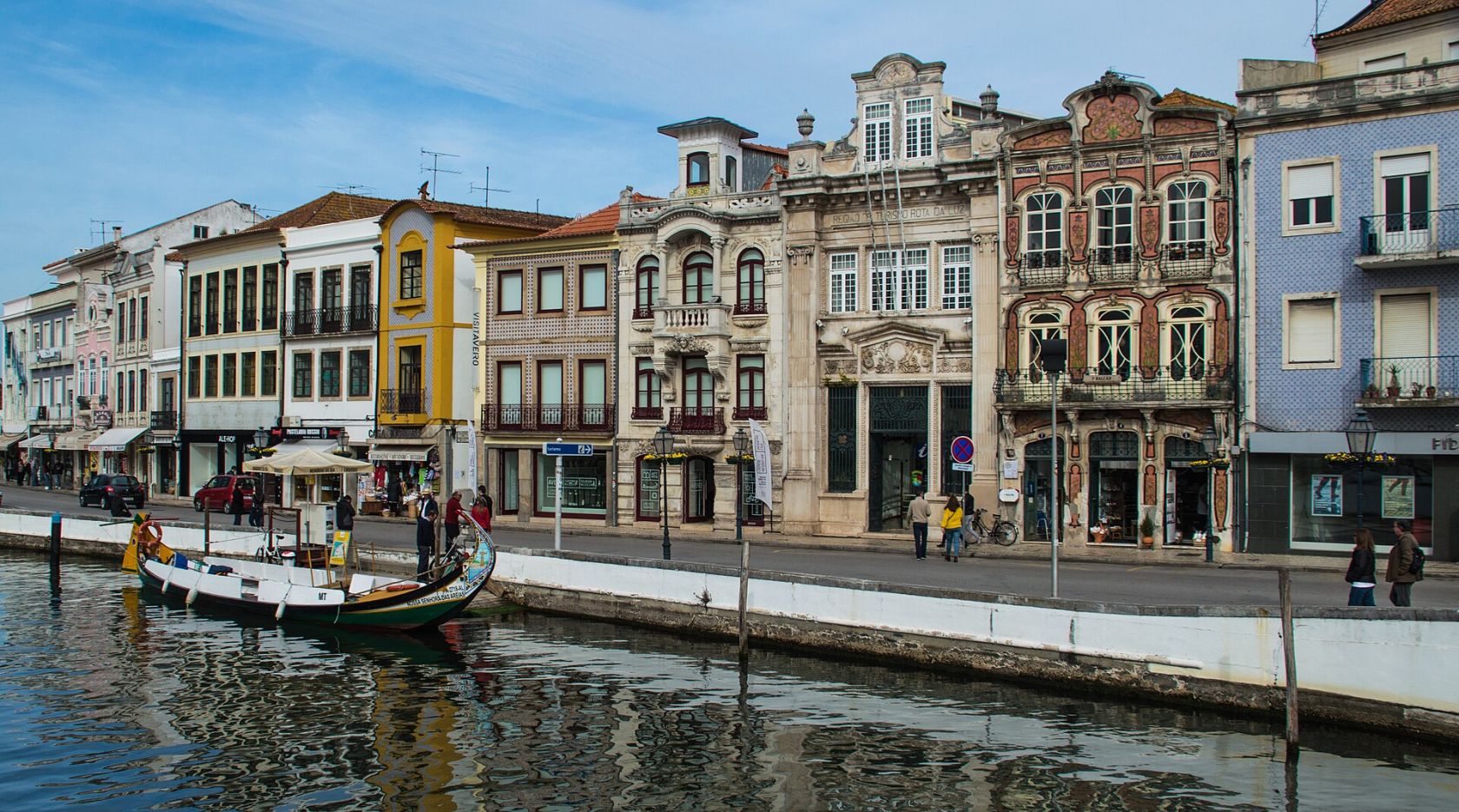
Best for: Ovos moles
Aveiro’s signature food arrives in a tiny edible shell.
Ovos moles are made primarily from egg yolks and sugar, a conventual sweet traditionally encased in delicate wafer shapes inspired by Aveiro’s relationship with the water, including shells and fish.
But the city shouldn’t be treated purely as a dessert stop. Its position beside the Ria de Aveiro and close to the Atlantic means eels, fish and seafood feature heavily in local cooking.
Have lunch first.
Then buy the ovos moles. Otherwise there is a genuine risk of deciding that egg yolks and sugar constitute lunch.
5. Coimbra
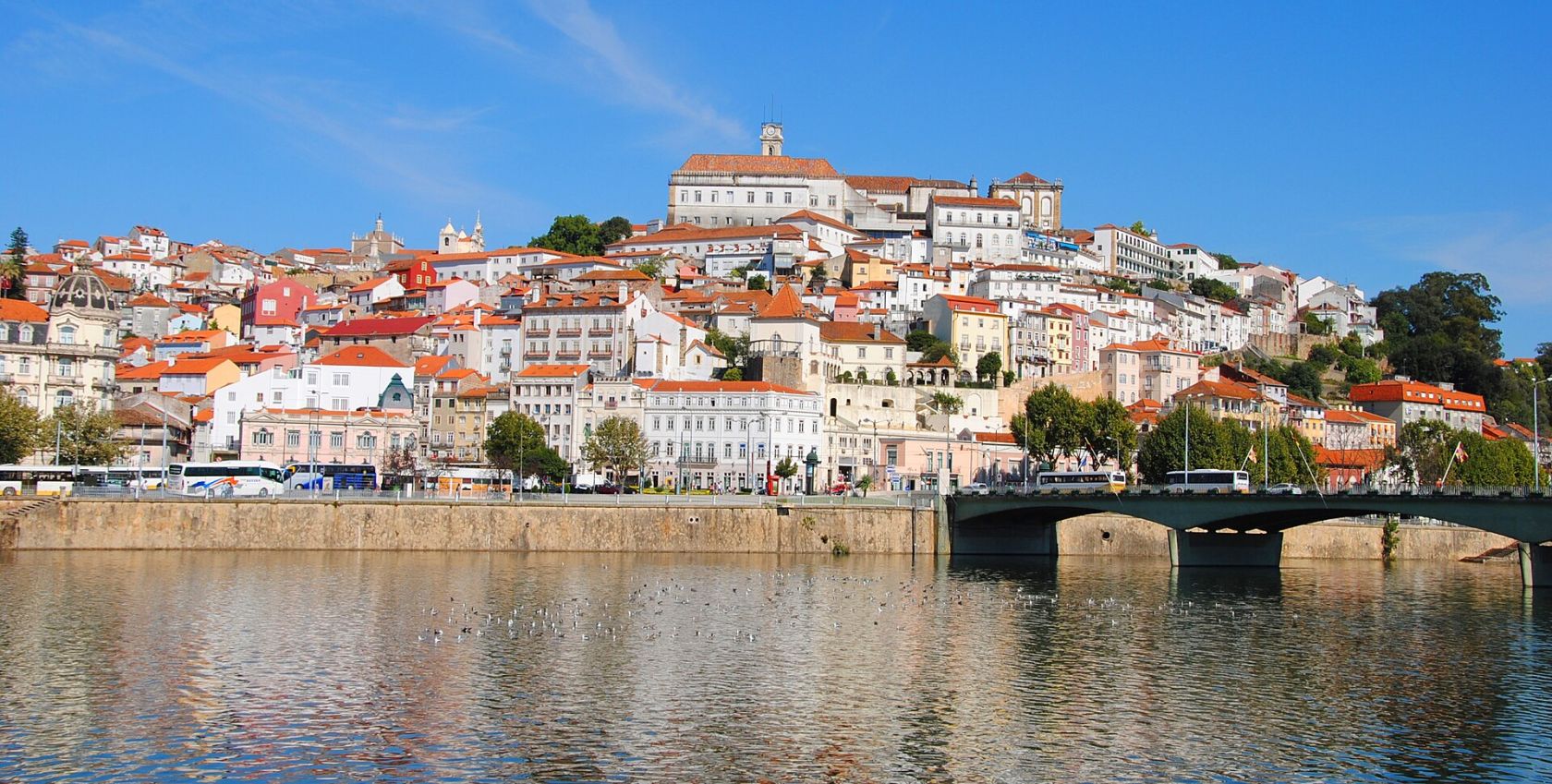
Best for: Chanfana
Coimbra’s student traditions may get more attention, but the surrounding region has a formidable food identity of its own.
One dish in particular is worth seeking out: chanfana. Traditionally associated with central Portugal, it is made by slowly cooking goat meat in red wine, usually in a black clay pot, until the meat becomes deeply flavoured and tender.
You’ll also encounter suckling pig from nearby Bairrada, regional cheeses and an impressive collection of conventual sweets.
This is food with rural roots, designed for long meals rather than eating between sightseeing stops. Plan the afternoon accordingly.
6. Lisbon
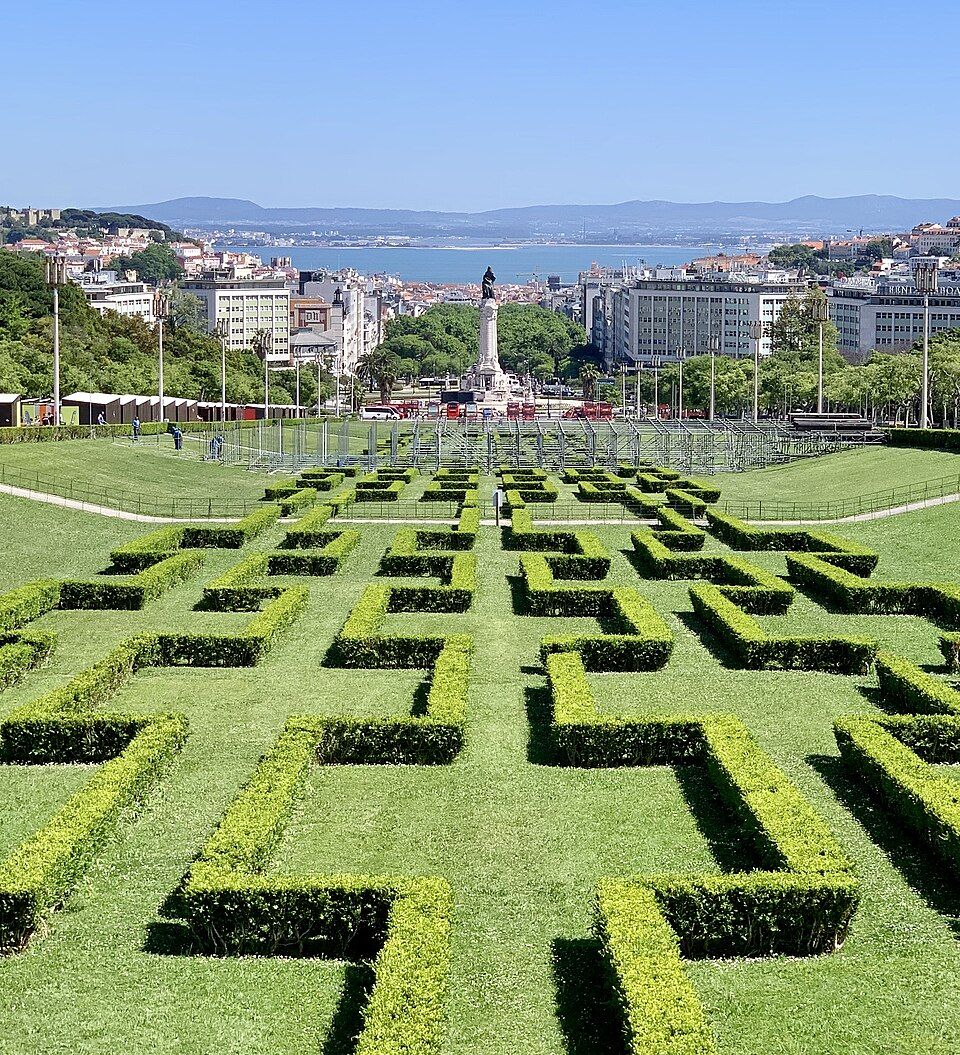
Best for: Eating your way around Portugal without leaving town
Lisbon’s advantage is choice.
You can eat grilled sardines in Alfama, order bacalhau prepared seemingly countless ways, grab a bifana at the counter of a neighbourhood café and still have room, theoretically, for a pastel de nata.
More importantly, the capital brings Portugal’s regional cuisines together. Restaurants specialising in Alentejo, Minho, Azorean, Madeiran and Algarve cooking sit alongside contemporary kitchens taking Portuguese ingredients in entirely new directions.
If you only have one destination and want the broadest possible introduction to Portuguese food, Lisbon makes things extremely easy.
Your waistband may disagree.
7. Setúbal

Best for: Choco frito
Don’t be alarmed by the name. Choco frito has nothing whatsoever to do with chocolate.
Choco is cuttlefish, and in Setúbal it is cut into strips, coated and fried until crisp, usually arriving with chips and salad. The dish has become so closely associated with the city that leaving without trying it feels faintly negligent.
Setúbal’s position beside the Sado estuary also means excellent fish and seafood, while nearby Azeitão brings cheese and wine into the equation.
This is one of those places where the local speciality is famous for a reason. Order the cuttlefish.
8. Évora

Best for: Alentejo comfort food
Alentejo cooking is a lesson in doing remarkable things with deceptively simple ingredients.
Bread, pork and olive oil form its backbone, helped enormously by garlic, coriander, pennyroyal and other herbs. Açorda alentejana, migas, pork dishes and regional cheeses turn ingredients once associated with rural necessity into some of Portugal’s most distinctive food.
Évora is an excellent place to explore it, with everything from traditional taverns to more contemporary interpretations.
Pair dinner with an Alentejo red and forget whatever anyone told you about not filling up on bread.
Here, the bread is the point.
9. Marvão & Portalegre

Best for: Mountain cooking
The food becomes heartier as the Alentejo climbs towards the Serra de São Mamede.
Around Marvão and Portalegre, look for pork, lamb and game alongside regional sausages, cheeses, chestnuts and dishes influenced by the area’s mountain landscape. This is also wine country, with the altitude and soils around the São Mamede range giving the northern Alentejo its own character.
Marvão itself supplies one of Portugal’s great lunch views from its mountaintop setting.
Autumn is particularly tempting, when chestnuts begin appearing everywhere and mountain food suddenly makes perfect sense.
10. Nazaré

Best for: Fish with a fishing-town pedigree
Long before Nazaré became famous for waves large enough to terrify sensible people, it was a fishing town.
That connection remains visible in its food. Grilled fresh fish, seafood rice, açorda, fish soups and caldeirada, a traditional fish stew, are among the dishes associated with the town. Dried horse mackerel is another particularly Nazaré tradition.
Choose somewhere simple, preferably where you can see the Atlantic, and ask what fish is good that day.
When the fishing tradition is this old, ordering whatever is freshest usually beats overthinking the menu.
11. Peniche

Best for: Straight-from-the-Atlantic seafood
Peniche is another town where fishing isn’t simply part of the past. Boats still bring their catch into one of Portugal’s most important fishing ports.
Local menus make excellent use of it. Caldeirada de Peniche, seafood rice and Peniche-style lobster soup are among the dishes highlighted by Turismo de Portugal, alongside whatever fish has arrived fresh that day.
The setting helps too. You’re standing on a peninsula almost surrounded by Atlantic water.
This isn’t where I’d order steak.
Find a seafood restaurant, ask about the day’s catch and let Peniche do what it does best.
12. Óbidos
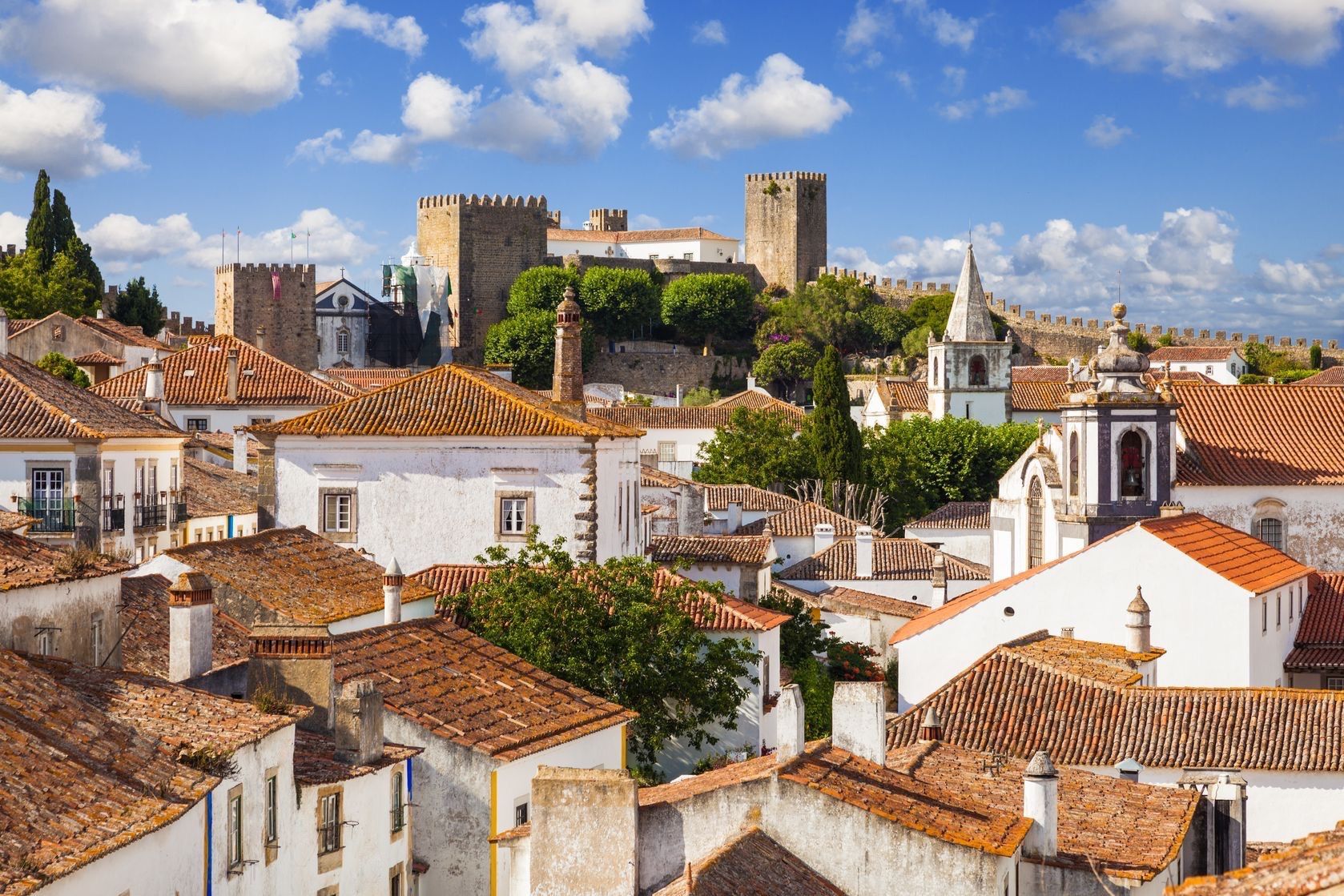
Best for: Ginjinha with a side of medieval Portugal
Óbidos has somehow managed to turn a drink into part of the sightseeing.
Ginjinha, the sweet sour-cherry liqueur associated with the region, is served throughout the walled town, often in a tiny chocolate cup that you drink from and then eat. Turismo de Portugal considers trying one practically compulsory.
There are plenty of traditional Portuguese dishes and sweets to explore as well, but the pleasure here is as much about setting as gastronomy.
Wander the medieval lanes, stop for a ginjinha, eat the cup and continue.
It’s an unusually efficient form of sightseeing.
13. Algarve
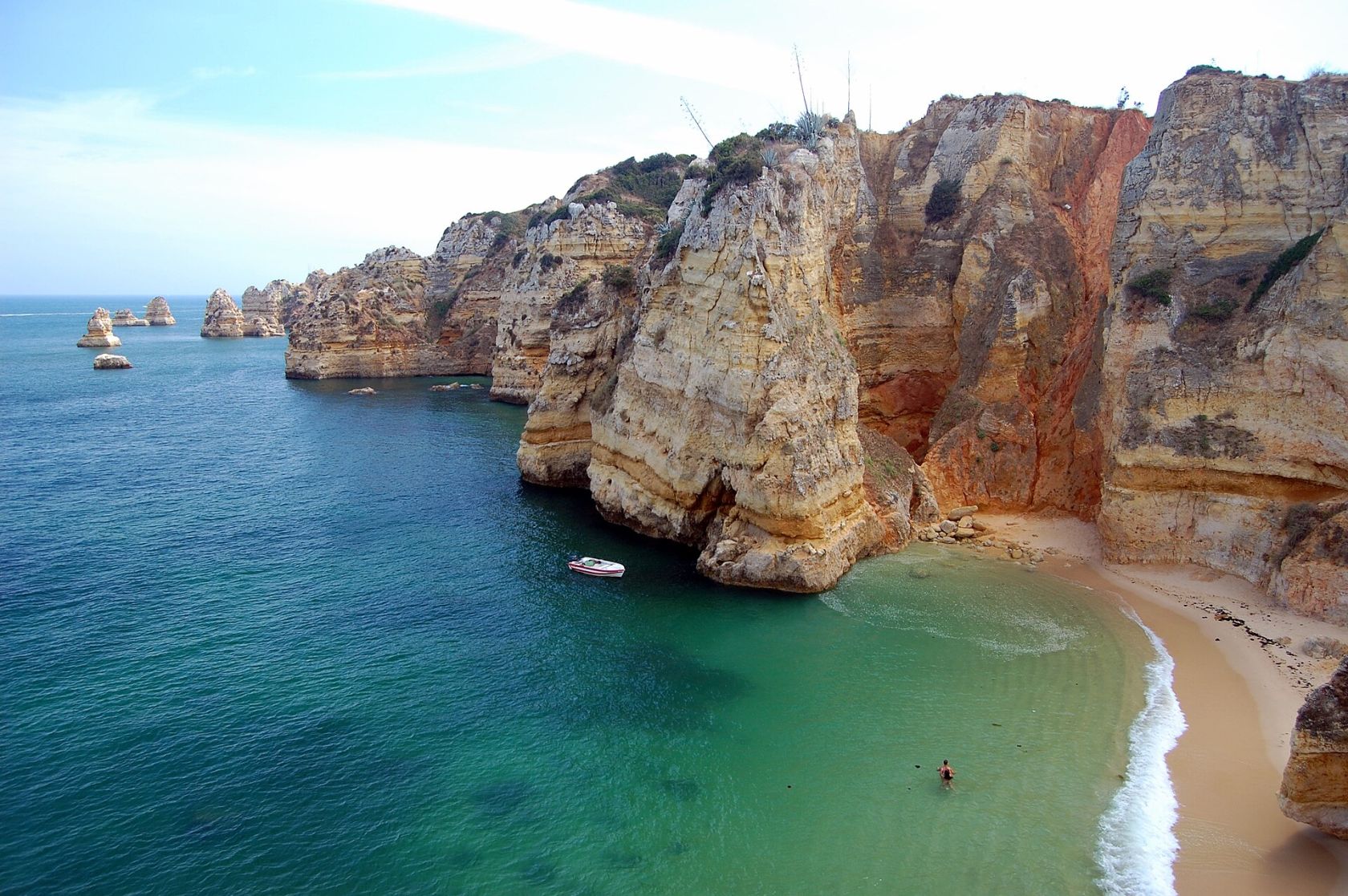
Best for: Cataplana and the catch of the day
The Algarve’s food makes much more sense once you stop thinking about resort restaurants and look towards the sea.
Fresh fish and seafood dominate the coast. Grilled sardines, carapaus alimados, clams and seafood rice all appear regularly, while the cataplana, cooked in the distinctive hinged copper vessel of the same name, has become one of the region’s signature dishes.
Head inland and the menu changes, with pork, chicken, chickpeas and sausages becoming more prominent.
Then there are figs, almonds, oranges and carob for dessert.
The Algarve is considerably more than grilled fish, although frankly, the grilled fish would be enough.
14. Tavira

Best for: Tuna, octopus and eastern Algarve flavours
The eastern Algarve has its own culinary personality, shaped by the Ria Formosa and a long relationship with fishing.
Tuna has particularly strong historical connections with the Tavira area and still appears grilled, seared or on skewers. Nearby Santa Luzia is famous for octopus, prepared almost every conceivable way, from grilled and baked to stewed in wine or served with rice.
Clams and other shellfish from the Ria Formosa complete the picture.
Finish beside the Gilão River with a glass of something cold and dinner that was in the Atlantic considerably more recently than you were.
So where should you eat first?
For full-throttle northern comfort food, start with Porto or Braga. Aveiro and Óbidos win if sweets are influencing the itinerary more than you’d like to admit, while Coimbra is the stop for slow-cooked country cooking.
Seafood lovers could practically follow the Atlantic south through Viana do Castelo, Nazaré, Peniche, Setúbal and the Algarve and never need to order the same thing twice.
For Portugal’s great inland cooking traditions, choose Évora or the mountains around Marvão and Portalegre. And if you only have time for one city, Lisbon gives you a remarkably good chance of tasting much of the country without getting back in the car.
The only bad strategy is arriving in Portugal on a diet.
 Add as a preferred source on Google







 Portugal Handbook
 English
 Nederlands
 Deutsch
 Français
 Español
 Italiano
 Svenska
 Pусский
 中文
中文 Türkçe
 Português
 Czech
Czech Hungarian
 Polski
 عربي
عربي Suomi
Suomi עִברִית
 Português (Brasil)
Follow us on social media