


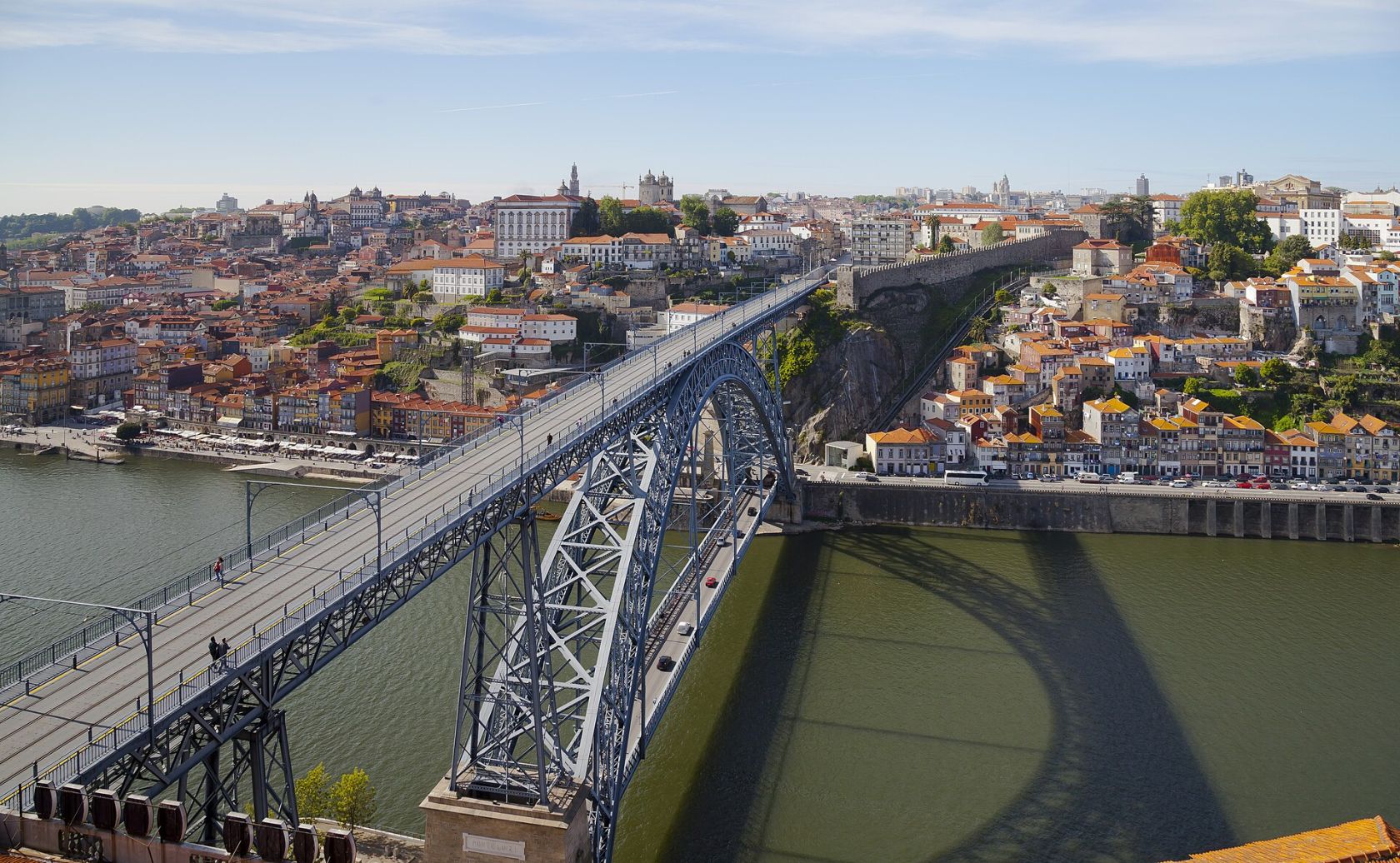
At roughly 560 kilometres from north to south as the crow flies, it is tempting to imagine you can see most of the country in a week. Technically, perhaps. But Portugal has an irritating habit of putting something worth stopping for around every corner.
The route which lasts 12 days starts in the area of Porto, among the tiled buildings and the port wine cellars, and then proceeds southward, going past Aveiro’s canals, the old university in Coimbra and the Serra da Estrela mountains before arriving in Lisbon; from there it goes on by way of the medieval towns, the Atlantic coast and the flat lands of the Alentejo until it ends in the beaches and islands of the Algarve.
It isn’t a road trip for anyone who wants to unpack once and stay put. There are mountain roads, detours and several mornings when you’ll be loading the car again. But that’s also the point.
Portugal changes remarkably quickly as you travel through it. Granite and green hills in the north give way to central mountains, Lisbon’s tiled streets, Alentejo cork oaks and finally the whitewashed towns and golden cliffs of the south.
Twelve days won’t show you everything. It will, however, make you want to come back.
Days 1–2: Porto
Best for: Starting with atmosphere
Give Porto two days before collecting serious mileage.
Start in the historic centre, walking downhill towards Ribeira and the Douro, then cross the Dom Luís I Bridge to Vila Nova de Gaia for the classic view back towards the city. Porto’s historic centre is UNESCO-listed, and this is one place where getting slightly lost among the steep lanes is part of the experience.
São Bento station deserves a stop for its azulejos, while Livraria Lello has occupied its distinctive neo-Gothic building since 1906.
Then there is port. The historic lodges sit across the river in Gaia, making a tasting an obvious end to the afternoon.
On day two, go farther west towards Foz do Douro, where the river finally meets the Atlantic. It is a gentler introduction before tomorrow’s drive south.
Day 3: Aveiro & Costa Nova
Best for: Canals, colour and something sweet
Less than an hour south of Porto, Aveiro makes an easy first stop.
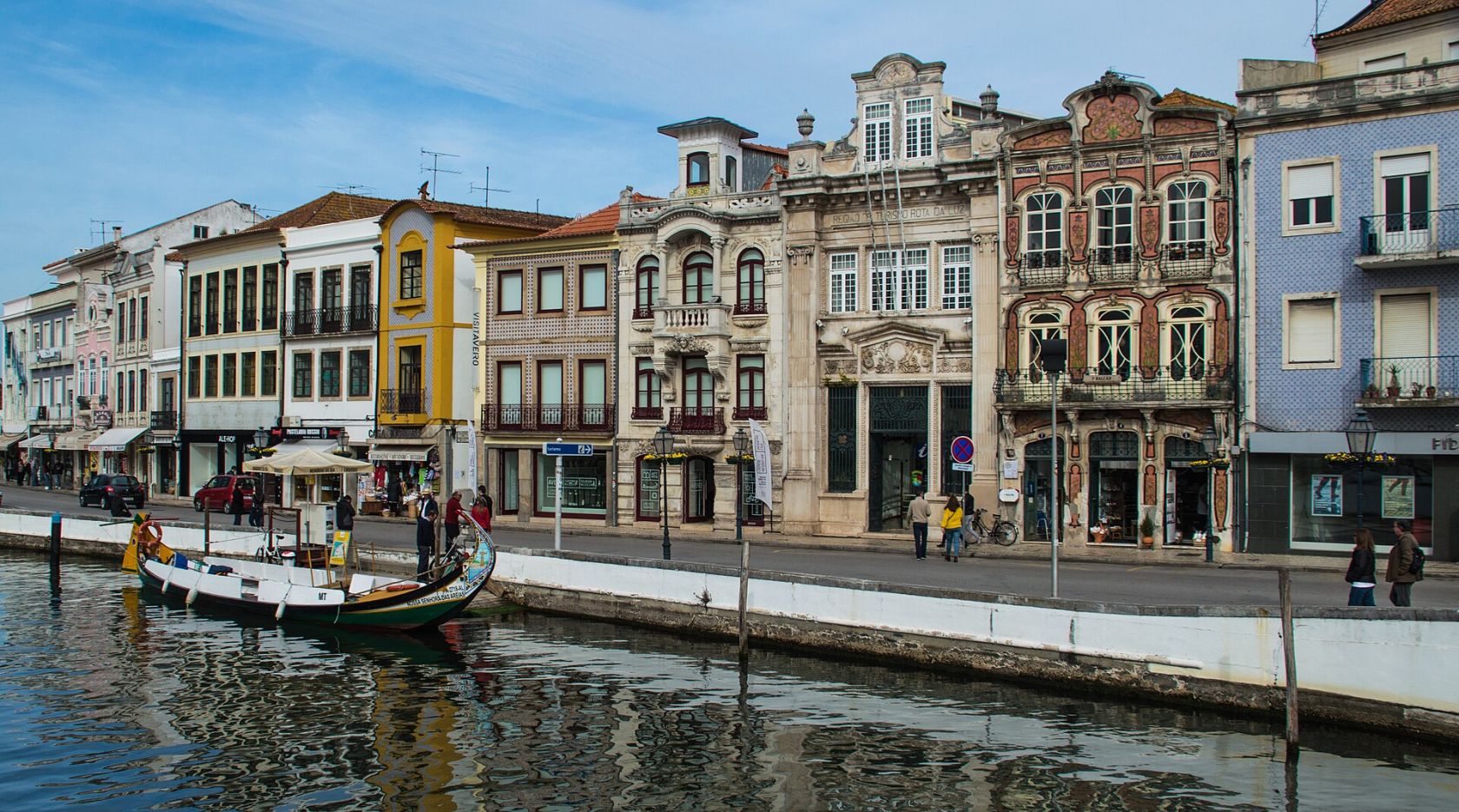
The city is threaded by canals where brightly painted moliceiro boats, originally used to collect algae and seaweed from the lagoon, now carry visitors through town. Art Nouveau buildings line parts of the waterways, and this is also the place to try ovos moles, Aveiro’s famously sweet egg-yolk confection.
Then drive towards the coast.
Costa Nova is instantly recognisable for its striped palheiros. Originally practical wooden shelters used by fishermen, many were later transformed into colourful holiday homes as sea bathing became fashionable.
Walk the beach before continuing towards Coimbra. It’s a relatively short driving day, which you may appreciate later.
Day 4: Coimbra
Best for: History with a student soundtrack
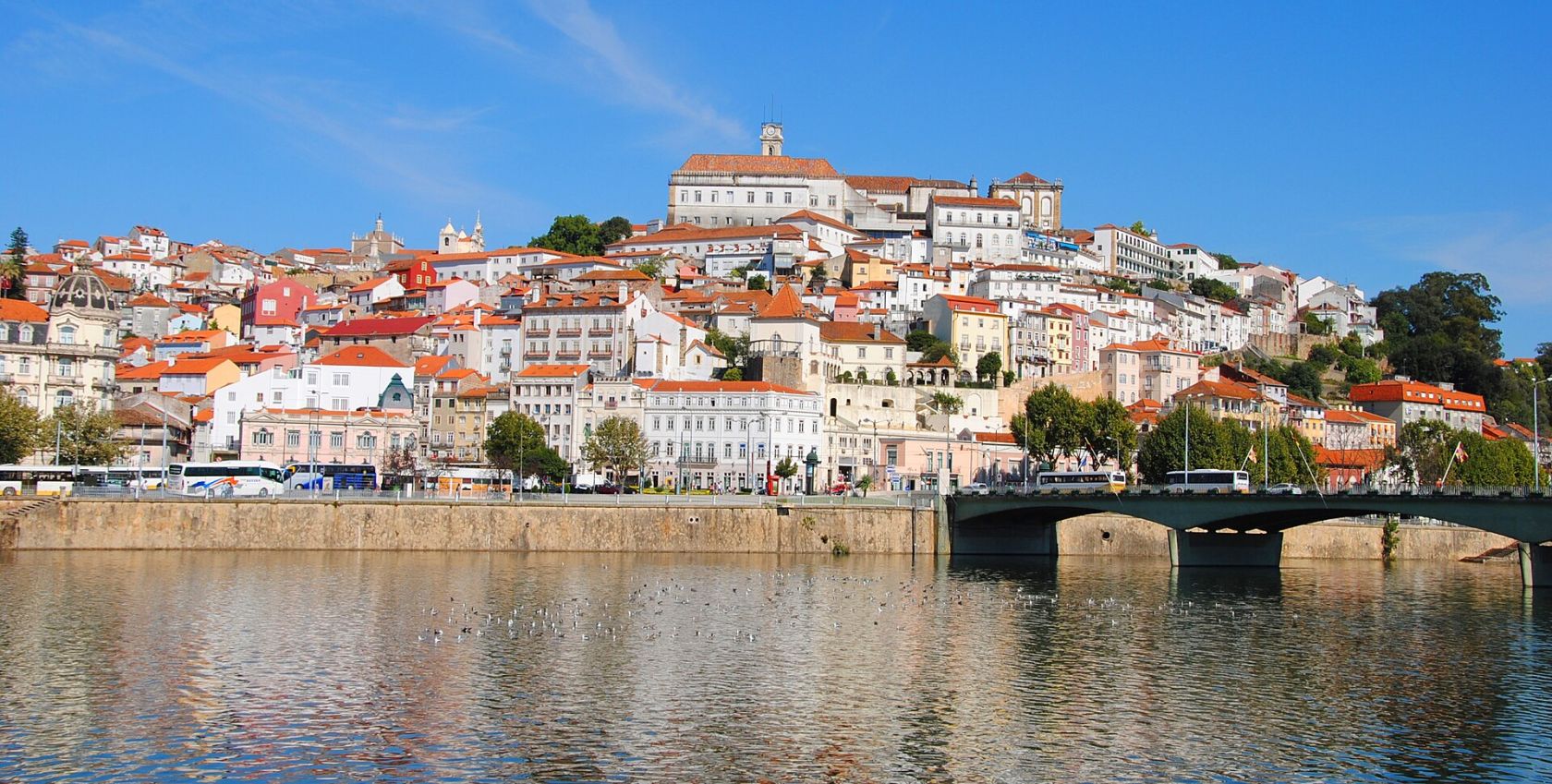
Coimbra was once Portugal’s capital, but its university has shaped the city for far longer.
Founded in 1290, the University of Coimbra is among Europe’s oldest and forms part of a UNESCO World Heritage site. Its historic buildings occupy a former royal palace high above the Mondego River.
The Joanina Library is the showstopper, with gilded bookcases containing centuries-old volumes, but leave time to wander downhill through the old city too. The Monastery of Santa Cruz contains the tomb of Portugal’s first king, Afonso Henriques.
Coimbra feels different when students are around. Academic traditions, black capes and the city’s distinctive style of fadoremain part of its identity rather than simply something recreated for visitors.
Stay overnight, because tomorrow the road heads properly into the mountains.
All recommendations within this article are informed by expert editorial opinion. If you click on a link in this story, we will earn affiliate revenue
Day 5: Serra da Estrela
Best for: Trading cities for mountains
The road into Serra da Estrela is where this trip changes character.
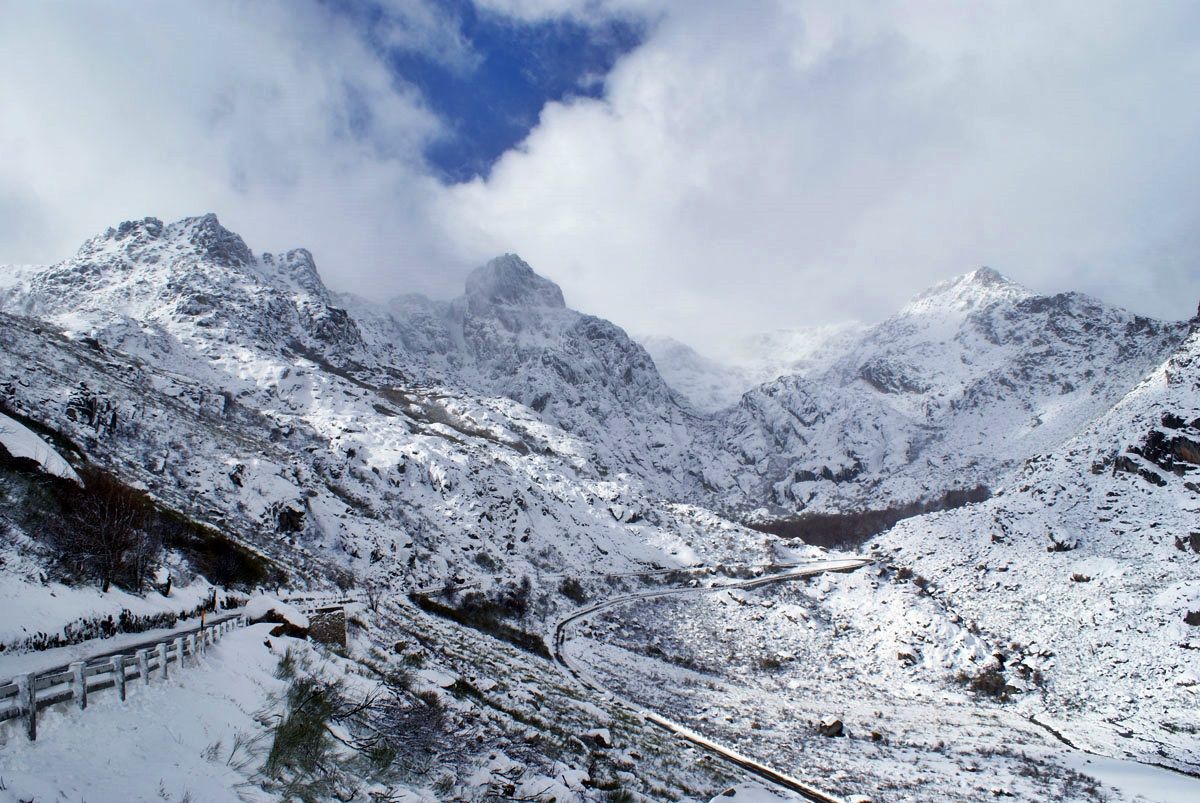
Portugal’s highest mainland mountain range reaches 1,993 metres at Torre and contains landscapes carved by ancient glaciers, including the great Zêzere Valley.
Don’t treat Torre as the only objective. The drive itself is part of the day, passing enormous granite boulders, mountain villages and viewpoints that feel very far removed from the Portuguese coast.
Manteigas makes a good stop for exploring the Zêzere Valley, while Serra da Estrela cheese is considerably more rewarding than another motorway service-station sandwich.
Weather matters here. Mountain conditions can change quickly, particularly outside summer, so check conditions before choosing your route.
Spend the night in or around the mountains, then head towards Lisbon the following morning.
Days 6–7: Lisbon & Sintra
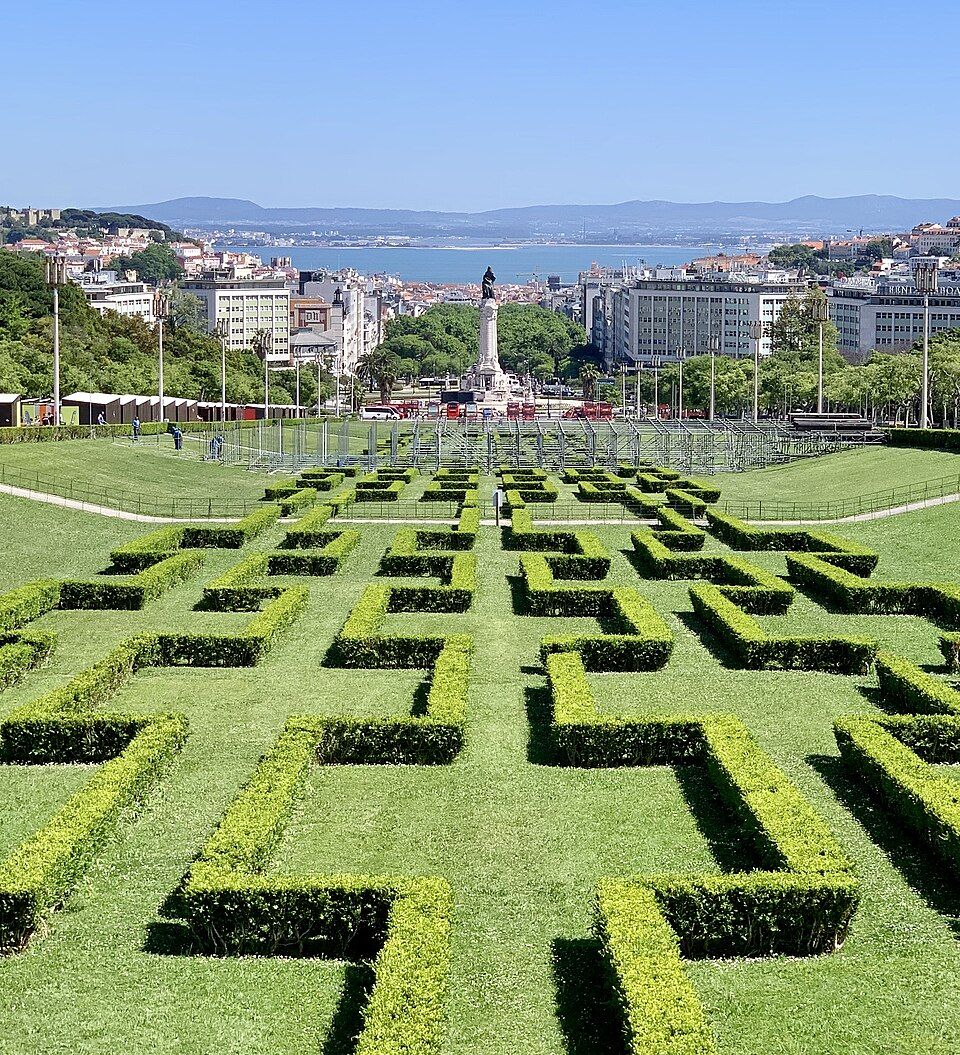
Best for: The biggest change of pace
After the mountains, Lisbon feels almost aggressively lively.
Give the capital a day to itself. Walk through Alfama, Baixa and Chiado, ride a tram if the queues aren’t absurd, and climb to one of the miradouros before dinner. Belém deserves time for the Jerónimos Monastery, riverside monuments and the inevitable pastel de nata.
Day seven belongs to Sintra.
The UNESCO-listed cultural landscape brings together wooded hills, extravagant palaces and centuries of royal history. Pena Palace provides the technicolour headline, but Quinta da Regaleira, the Moorish Castle and Monserrate make choosing just one difficult.
Sintra is also extremely popular, so book timed attractions in advance and start early.
You could easily spend several days in Lisbon and Sintra. On this road trip, you’ll have to accept leaving something for next time.
Day 8: Óbidos & Nazaré
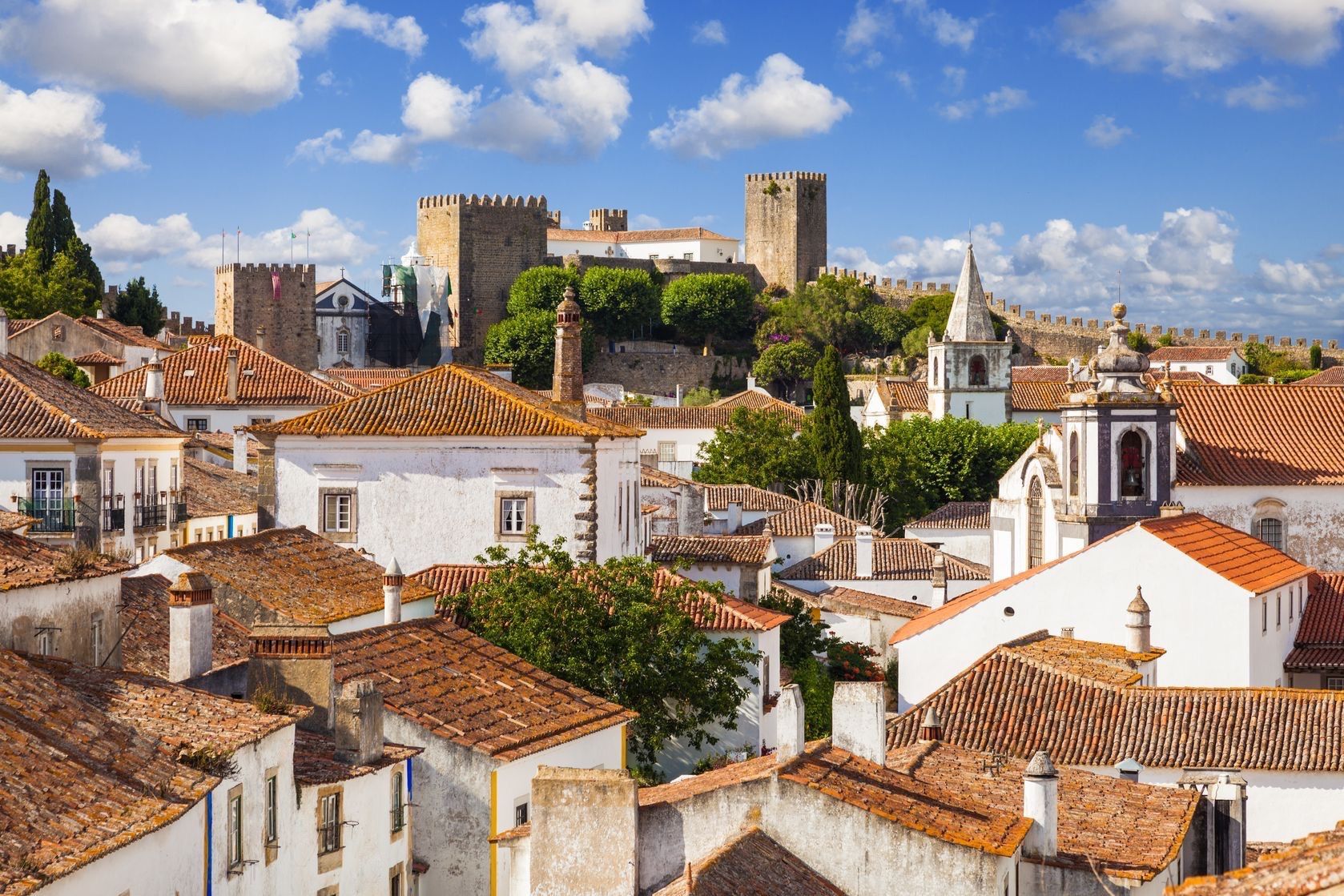
Best for: Medieval walls and Atlantic drama
This is a day of two very different Portuguese towns.
First, Óbidos. Enclosed by medieval walls, its whitewashed houses and narrow streets sit beneath a remarkably well-preserved castle. King Dinis famously gave the town to Queen Isabel in the 13th century, beginning its long association with Portugal’s queens.
Walk the lanes, try a ginjinha, then continue to the coast.
Nazaré swaps medieval romance for raw Atlantic energy. The fishing town has retained traditions including its famous seven-skirt costume, while Praia do Norte has transformed it into the international home of giant-wave surfing.
Take the funicular to Sítio for the view over the main beach.
In winter, check the swell forecast. Seeing Nazaré’s giant waves is extraordinary, but never guaranteed.
Day 9: Alentejo
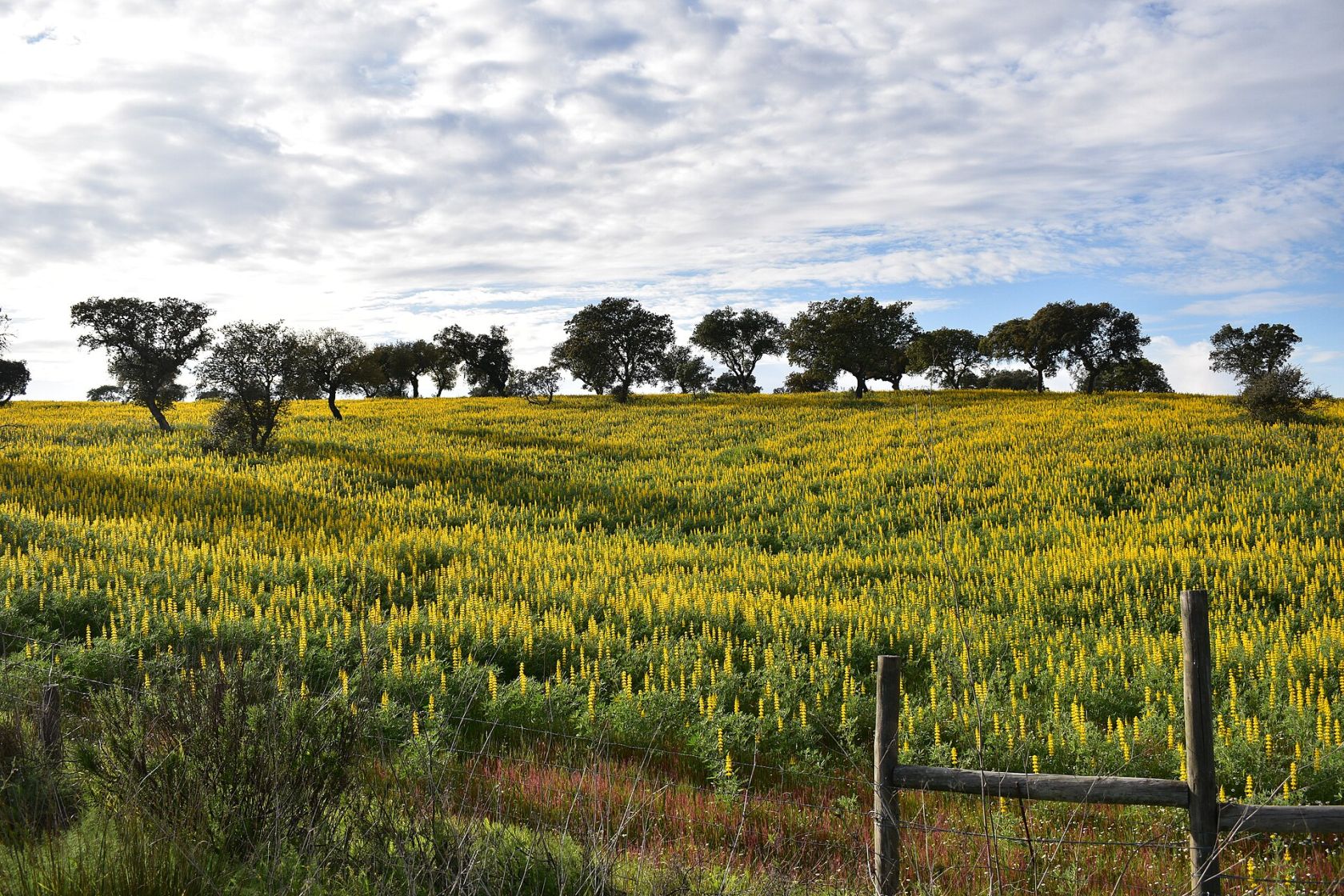
Best for: Slowing everything down
After eight days of sightseeing, the Alentejo provides some breathing room.
Head towards Évora, whose Roman temple, cathedral and historic streets make it the region’s cultural centre. But don’t spend the entire day in town. The Alentejo works best when you drive through it.
Cork oaks, olive groves and vineyards stretch towards the horizon, interrupted by whitewashed villages and fortified hilltops. If the route allows, continue towards Monsaraz, a medieval walled village overlooking Lake Alqueva. Its 12th-century castle sits above one of the most beautiful panoramas in the region.
This is also the day for a proper Alentejo lunch rather than eating on the move.
The roads are quieter, the distances feel larger and Portugal suddenly seems to have acquired an enormous amount of sky.
Days 10–11: Algarve
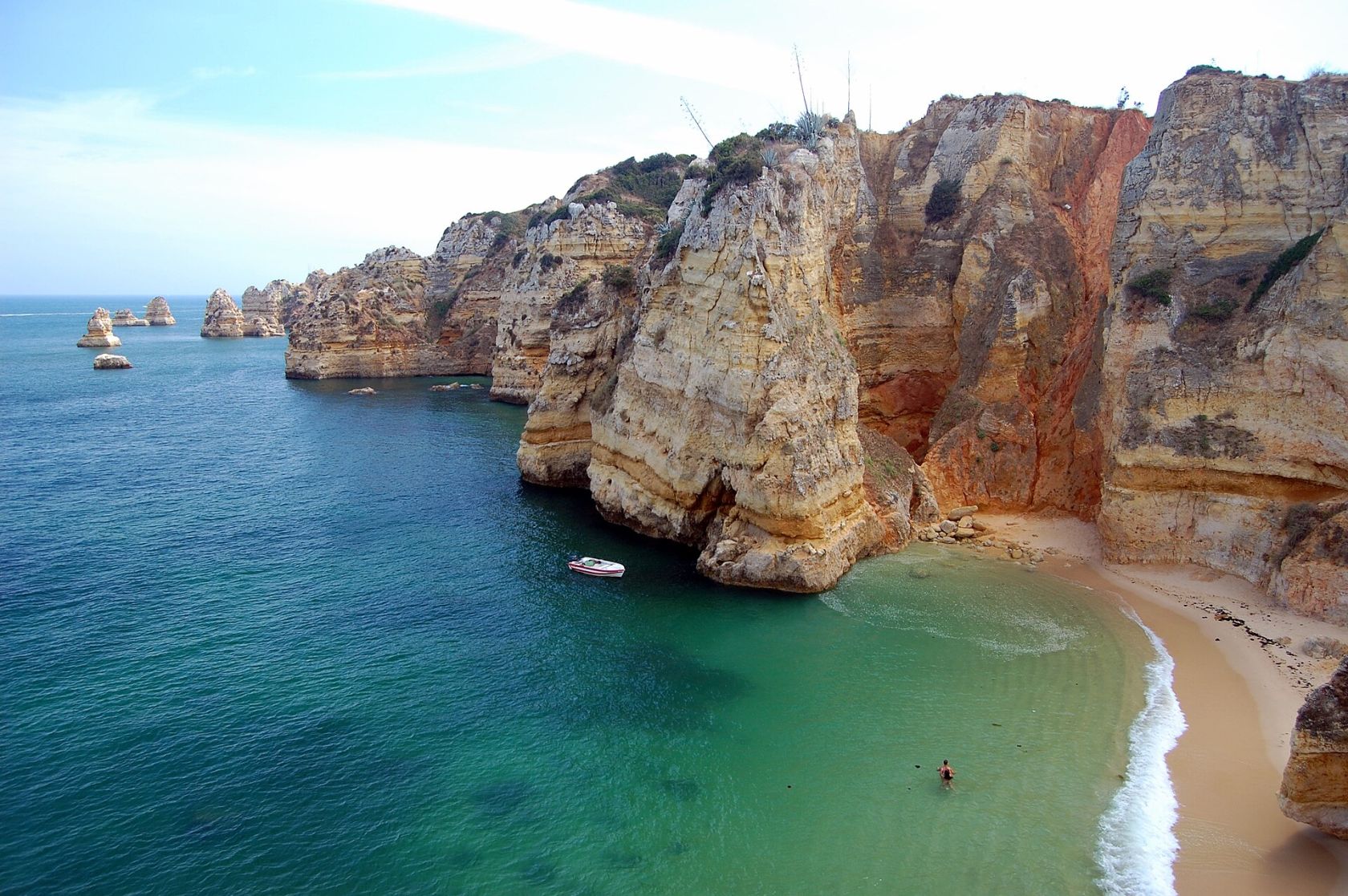
Best for: Finally reaching the beach
By day ten, you’ve earned the Atlantic.
Enter the Algarve from the west if possible and make Lagos your first base. The old town is compact enough to explore on foot, while nearby Ponta da Piedade delivers the cliffs, arches and intensely blue water that have come to define the region.
Day eleven can be devoted to the central Algarve. The limestone coast around Carvoeiro and Benagil is spectacular from both land and water, with walking trails following the cliffs above beaches and sea caves.
But resist trying to collect every famous beach.
The reward at this stage of a north-to-south road trip should be doing slightly less. Pick a beach, order lunch somewhere overlooking the sea and remember that you are technically on holiday.
Save one final change of scenery for tomorrow.
Day 12: Eastern Algarve
Best for: Ending somewhere gentler
Finish not with the Algarve’s famous cliffs, but with an entirely different coastline.
Around Faro, Olhão and Tavira, the Ria Formosa forms a vast system of lagoons, salt marshes, tidal channels and barrier islands stretching along the eastern Algarve. Boats cross the lagoon towards long sandy islands where the Atlantic waits on the other side.
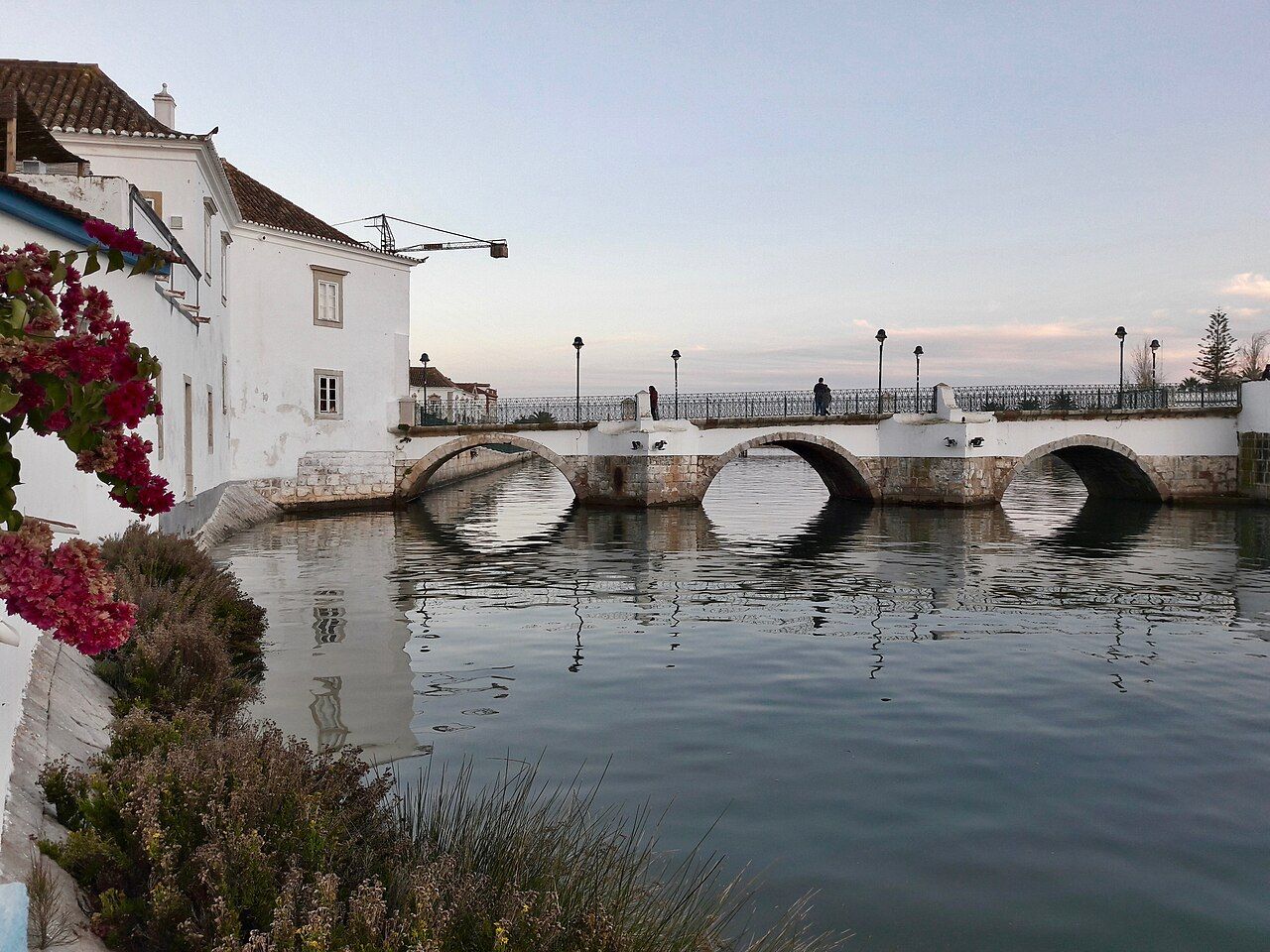
Tavira makes a particularly lovely final stop. The Gilão River passes through its historic centre beneath an old bridge, with whitewashed houses, church towers and terracotta roofs on either bank.
From here, the Spanish border is less than an hour away.
But after 12 days, hundreds of kilometres, mountains, castles, cities, vineyards and an unreasonable number of pastries, perhaps this is where you stop.
Find a table beside the water and give the car a rest.
A few things to know before you drive
Portugal’s motorways make covering distance relatively easy, but this route is much better when you leave them. Allow more time than the satnav suggests for Serra da Estrela and rural Alentejo, and don’t assume every scenic road is a fast one.
Portugal also has both conventional toll booths and electronic-only toll roads, so anyone renting a car should check how the rental company handles electronic toll payments before setting off.
Parking is another reason not to keep the car beside you constantly. In Porto and Lisbon especially, park once and explore on foot or by public transport. Sintra is also much easier when transport and attraction bookings are planned in advance.
Most importantly, don’t become obsessed with completing the itinerary exactly as written. A Portuguese road trip works best when something you weren’t planning to see makes you pull over.
That is usually where the good part starts.
 Add as a preferred source on Google






 Portugal Handbook
 English
 Nederlands
 Deutsch
 Français
 Español
 Italiano
 Svenska
 Pусский
 中文
中文 Türkçe
 Português
 Czech
Czech Hungarian
 Polski
 عربي
عربي Suomi
Suomi עִברִית
 Português (Brasil)
Follow us on social media