


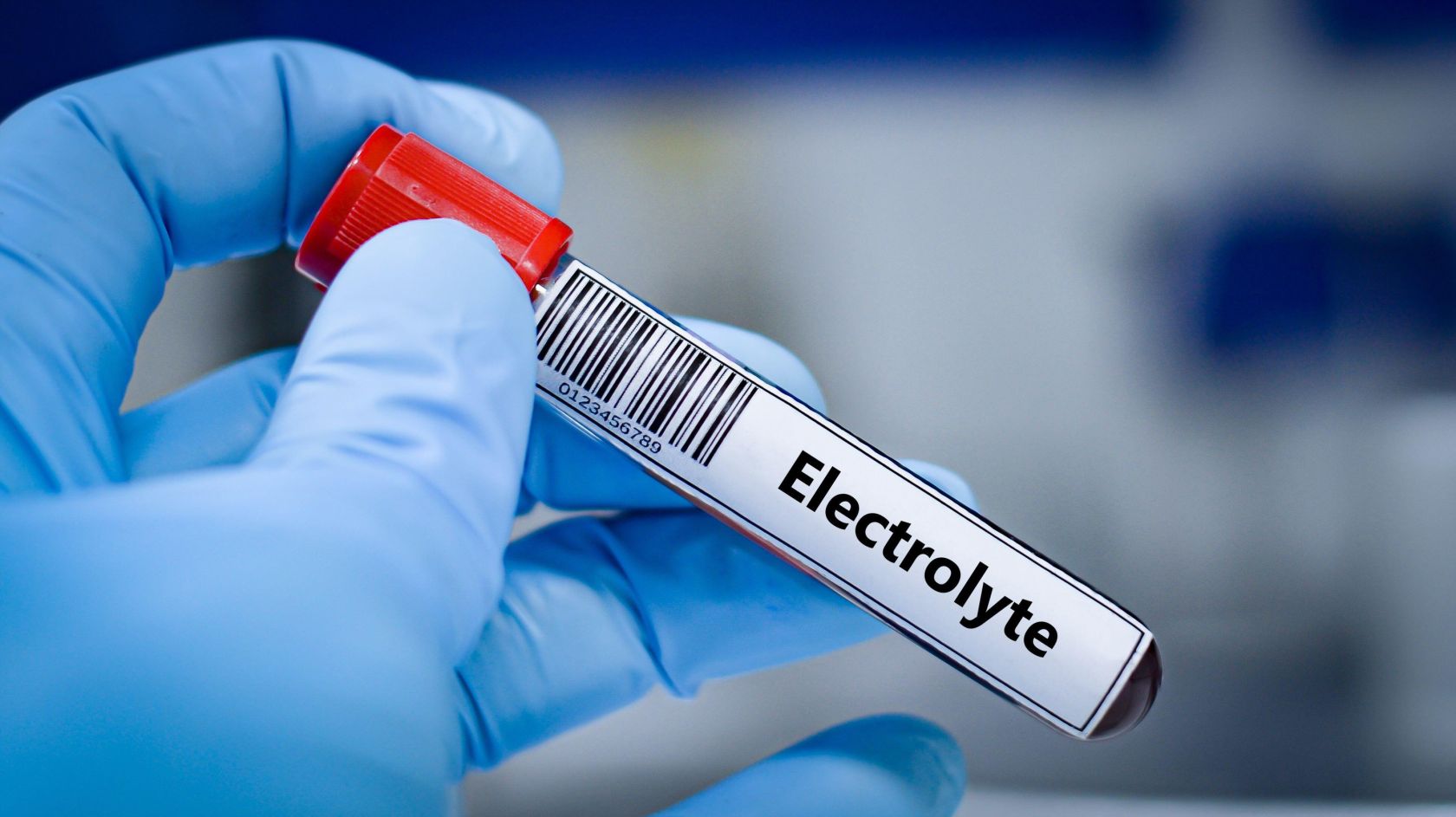
As heatwaves become more regular in the UK, so do warnings about dehydration.
Alongside the familiar advice to drink plenty of water, there’s another message that’s become increasingly hard to ignore: replenish your electrolytes.
Supermarket shelves and social media are buzzing with electrolyte replacement products promoted as “must-have” wellness essentials.
But do we really need to top up our electrolytes with drinks, powder and sachets during hot weather? We spoke to some GPs to get their thoughts.
What are electrolytes?
“Electrolytes are minerals that carry an electrical charge in your body,” explains Dr Oliver Rabie, GP and lifestyle medicine doctor.
“The main electrolytes are sodium, chloride and potassium, and sometimes you can get magnesium and calcium.
“The types of products that you can get will have different compositions of those, and some of them will also contain glucose as well.”
Why do you think these products have exploded in popularity recently?
“There’s been an increase in people’s interest in wellness, so there’s obviously a large market for that,” says Rabie. “We also know the importance of maintaining a good level of hydration, and I think that’s drawn attention to our how we hydrate ourselves.
“There’s also been an increase in, particularly in the younger generation, involvement in endurance sports and higher intensity sports, such as HYROX, and that has led to brands to develop things like electrolyte replacement products for people who are partaking in things like that.”
How do they work?
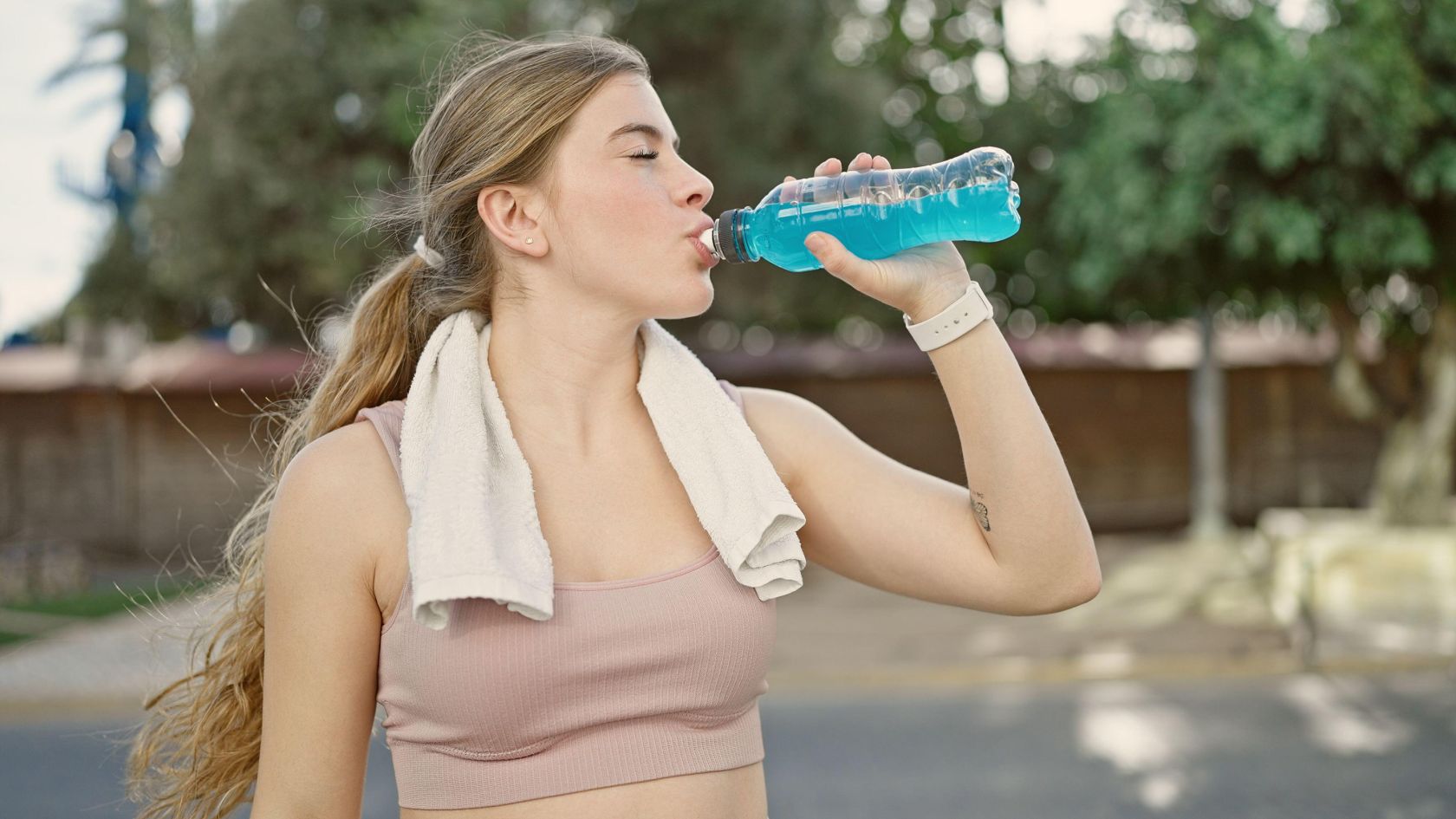
The role of electrolytes is to help you retain water, he explains.
“Two of the main components are sodium and glucose which are absorbed in the gut and they pull water from your gut wall faster than water would alone,” says Rabie. “This helps people retain fluid in the body rather than urinating it straight out.
“So, the role of these hydration salts themselves is to help you retain water rather than necessarily actually being a hydration tool itself.”
Do most healthy adults need electrolyte drinks or supplements every day or during a heatwave?
“I don’t think the average healthy adult would need them on a day-to-day basis and, in terms of hot weather, it’s really dependent on how much you are sweating,” says Rabie.
“Unless you’re excessively sweating, I don’t think they are necessary, ensuring that you are drinking reasonable amounts of water, and are also having a balanced diet because you get a lot of salt and sugar through your diet from eating food itself.”
Dr Penelope Sheehan, GP with expertise in women’s health and preventative medicine at Medical Express Clinic, agrees and adds: “A lot of us already have too much salt in our diet because it’s added to a lot of different foods by the food industry. So, for most people, there isn’t a necessary need for taking in any additional electrolytes.”
Who might benefits from additional electrolytes?
“If someone has a very physically demanding job which causes them to sweat a lot, or is an outdoor worker doing manual labour outside in the heat for prolonged periods, in these circumstances I think electrolytes can be of benefit to help support their hydration status,” says Rabie.
Electrolytes can also benefit athletes and individuals exercising in the heat for over an hour.
“If you were doing intense exercise outside in the heat for more than an hour, you would probably lose a lot of electrolytes and water in your sweat. So, in that case they might need replacing,” says Sheehan.
“However, if you are exercising for under an hour and have a healthy, balanced diet, then just drinking water should be enough.”
Furthermore, electrolyte replacement products might be useful if you have been sick.
“If someone was suffering from a vomiting or diarrhoea illness, then using the correct type of oral rehydration salt can be really important to replenish what they’re losing,” says Rabie.

Should anyone in particular be cautious about using electrolyte replacement products?
“People on certain blood pressure medications, people with kidney or heart problems are often medically advised to be on a low-salt diet, so should speak to a doctor first if they are considering whether they need to use electrolytes or not,” says Rabie.
What can we do to make sure we stay hydrated and maintain electrolytes during a heatwave?
Drink water
“Most adults should be aiming for 1.5-2 litres of water a day, but if it’s a very hot day then you might want to aim for around 2-2.5 litres,” recommends Sheehan.
Rabie agrees and adds: “Drinking according to how you feel is usually quite a good marker. So, if you feel thirsty throughout the day, that’s an indicator your body is asking you to hydrate.”
Focus on water-rich foods
“We get a lot of water from food, so think about foods which are rich in water, such as fruits, salads and soups,” suggests Rabie.
Eat a variety of fruit and vegetables
“There are lots of fruits and vegetables that contain a lot of the electrolytes that we lose in sweat,” says Sheehan. “Bananas, potatoes and broccoli, for example, are great sources of potassium, and things like spinach and pumpkin seeds are good sources of magnesium.
“Meanwhile, yoghurt and tofu are good sources of calcium.”
Limit alcohol intake
“I would also recommend limiting your alcohol intake, as we know that is a dehydrator,” says Rabie.
Check the colour of your urine
“The other marker you can check is the colour of your urine,” says Rabie. “If your urine is a clearer colour, that’s a good indicator that you are adequately hydrated.
“However, if you notice that your urine is a very concentrated yellow colour then that’s a clear indicator that your body is under-hydrated.”
Look out for any red flag symptoms
“If you are experiencing dizziness or lightheadedness, are feeling drowsy, or feel like your heart is racing or if you are passing very little or no urine, then that is an urgent medical sort of indicates you need an assessment,” says Rabie.
“In very severe cases people get confused, so if there’s any indication that that is happening, that requires an urgent assessment.”
 Add as a preferred source on Google





 Portugal Handbook
 English
 Nederlands
 Deutsch
 Français
 Español
 Italiano
 Svenska
 Pусский
 中文
中文 Türkçe
 Português
 Czech
Czech Hungarian
 Polski
 عربي
عربي Suomi
Suomi עִברִית
 Português (Brasil)
Follow us on social media