


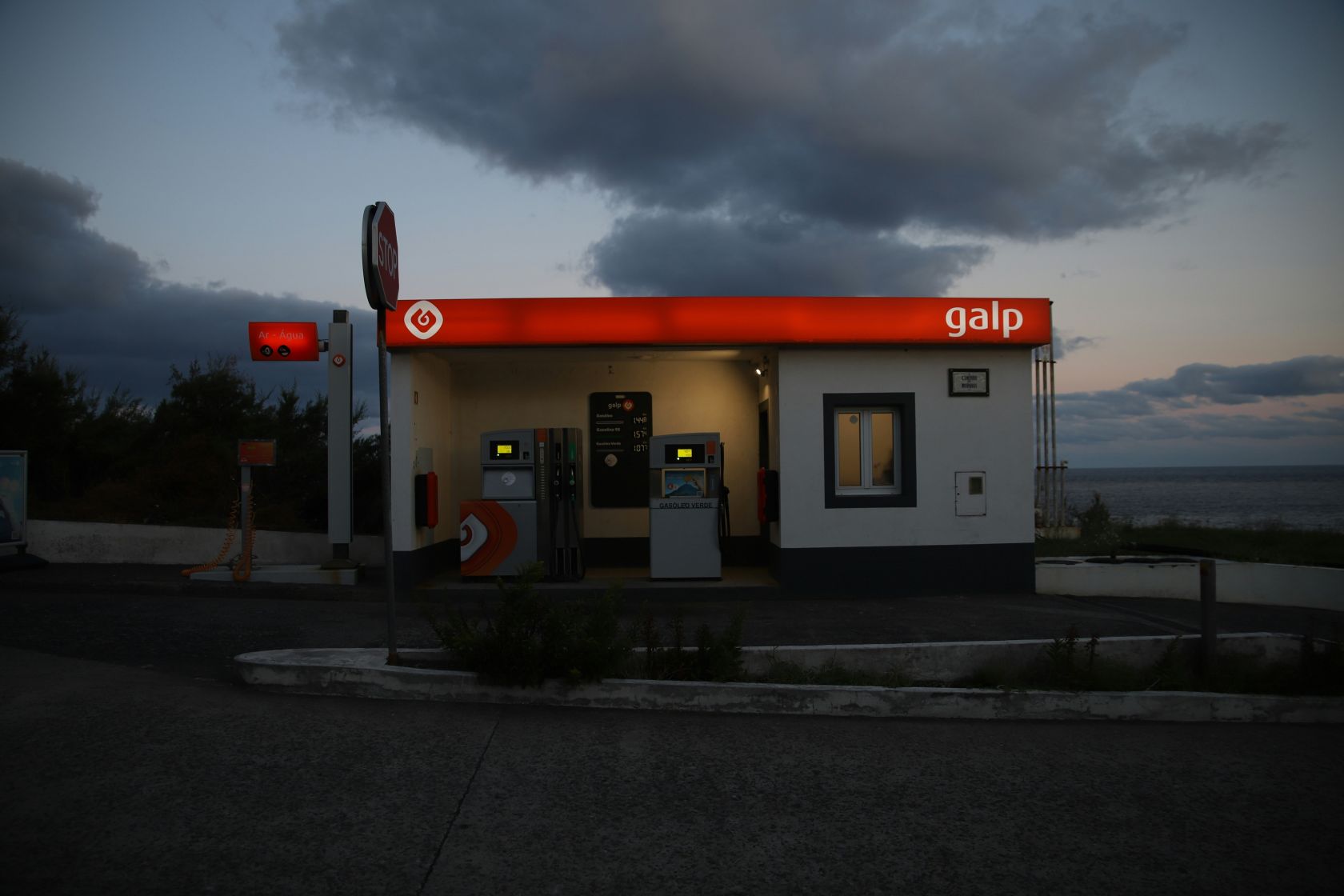
“We are always available to provide whatever information is required, and ERSE has full access to that data,” stated Galp Co-CEO João Diogo Marques da Silva during a phone call with Lusa following the presentation of the company’s first-half results.
When asked about the possibility of the regulator proposing the exceptional setting of maximum margins on certain commercial components of the retail price, the executive emphasised the benefits of an economy operating within a free market.
However, he added that an intervention of this nature “does not seem to make sense,” given the experience of other international markets where prices are regulated.
The Minister of Environment and Energy has requested a detailed study from ERSE regarding prices at service stations and how these reflect fluctuations in international oil and refined product quotes.
In a letter sent to the regulator, Maria da Graça Carvalho highlighted the consumer perception that companies pass on increases in international market prices more quickly than decreases.
The Minister also asked ERSE to consider proposing the exceptional setting of maximum margins on certain commercial components of fuel prices, should it conclude that the economic conditions stipulated by law have been met.
João Diogo Marques da Silva declined to comment directly on the Minister's statements but acknowledged the concerns raised regarding fuel prices.
“It is an issue that affects the Portuguese people; we understand that concern,” he stated, maintaining that Galp has upheld a policy of “consistent transparency regarding the methodologies used” to set prices.
The executive added that the market often anticipates fuel price movements before companies actually implement the changes.
Galp announced today a 44% increase in profit for the first half of the year—reaching €812 million compared to the same period last year—driven by increased oil production in Brazil and a rise in the average price of Brent crude.
During the first half of the year, the oil company benefited from refining margins it described as historically high, standing at $15.80 per barrel.
When asked to explain these increases, João Diogo Marques da Silva argued that they stem from the spread between the cost of raw materials used by refineries and the value of finished products, such as diesel, gasoline, and jet fuel.
The executive cited attacks on refineries in Ukraine, constraints on the transport of petroleum products, and international instability as factors driving price increases and sharp fluctuations in the value of refined products.
According to the co-CEO, after dropping to significantly lower levels at the end of June, refining margins on the spot market—where buying and selling occur for immediate delivery at current prices—are now above $30 per processed barrel, amidst renewed tension between the United States and Iran.
João Diogo Marques da Silva also highlighted the importance of the Sines refinery maintaining high operational levels during periods of volatility, both to capitalise on market conditions and to ensure the country’s fuel supply.
The refinery is scheduled for a brief maintenance period in September, which, according to Galp, “should not affect current production levels.”






 Portugal Handbook
 English
 Nederlands
 Deutsch
 Français
 Español
 Italiano
 Svenska
 Pусский
 中文
中文 Türkçe
 Português
 Czech
Czech Hungarian
 Polski
 عربي
عربي Suomi
Suomi עִברִית
 Português (Brasil)
Follow us on social media