


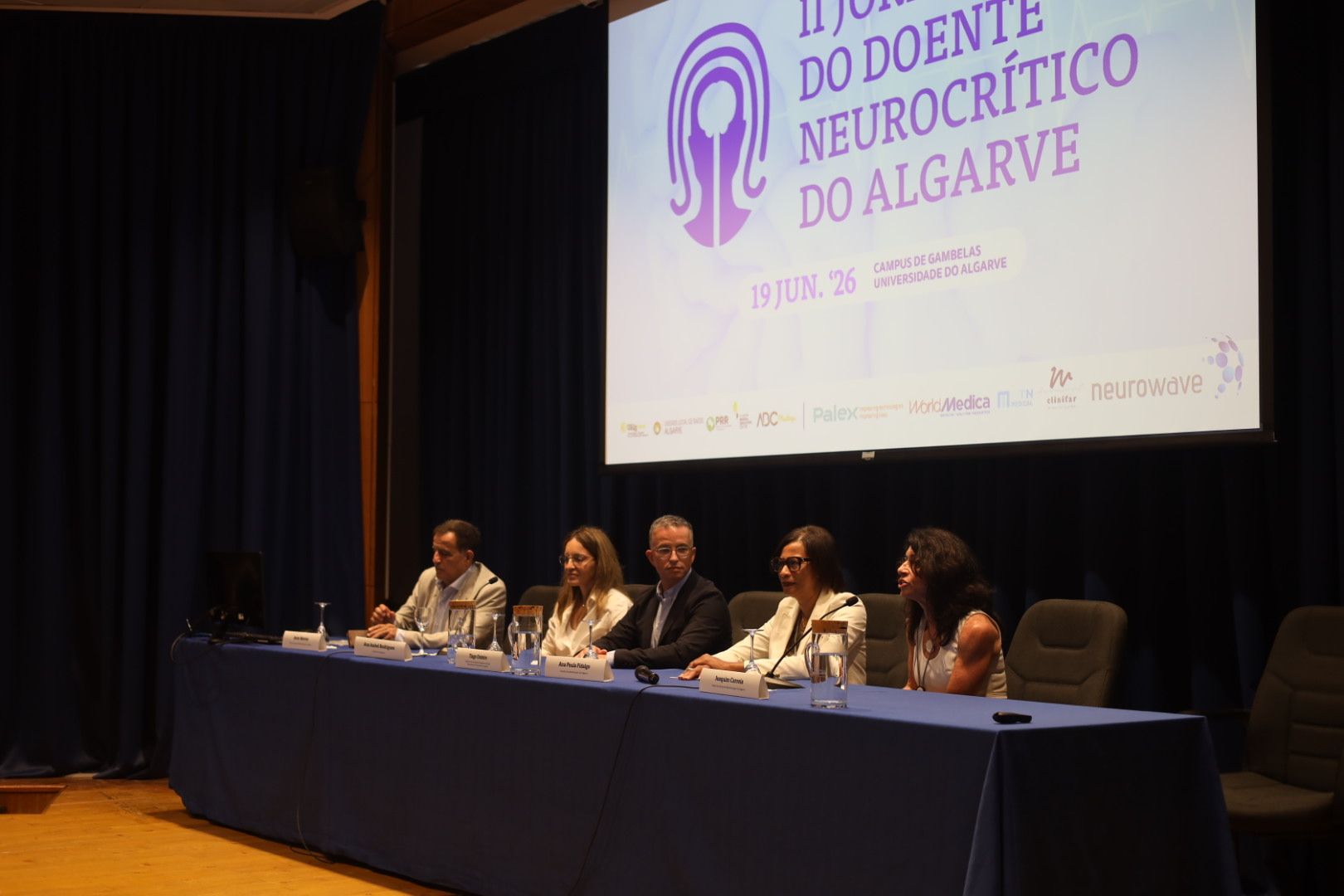
Neurocritical care is the branch of medicine dedicated to patients who have suffered a serious injury or illness affecting the brain or nervous system. Think of someone who has had a major stroke, a severe head injury following a road accident, or a life-threatening seizure. These patients are often unconscious, unable to communicate, and dependent on a team of specialists working around the clock to keep them alive while protecting their brain function.
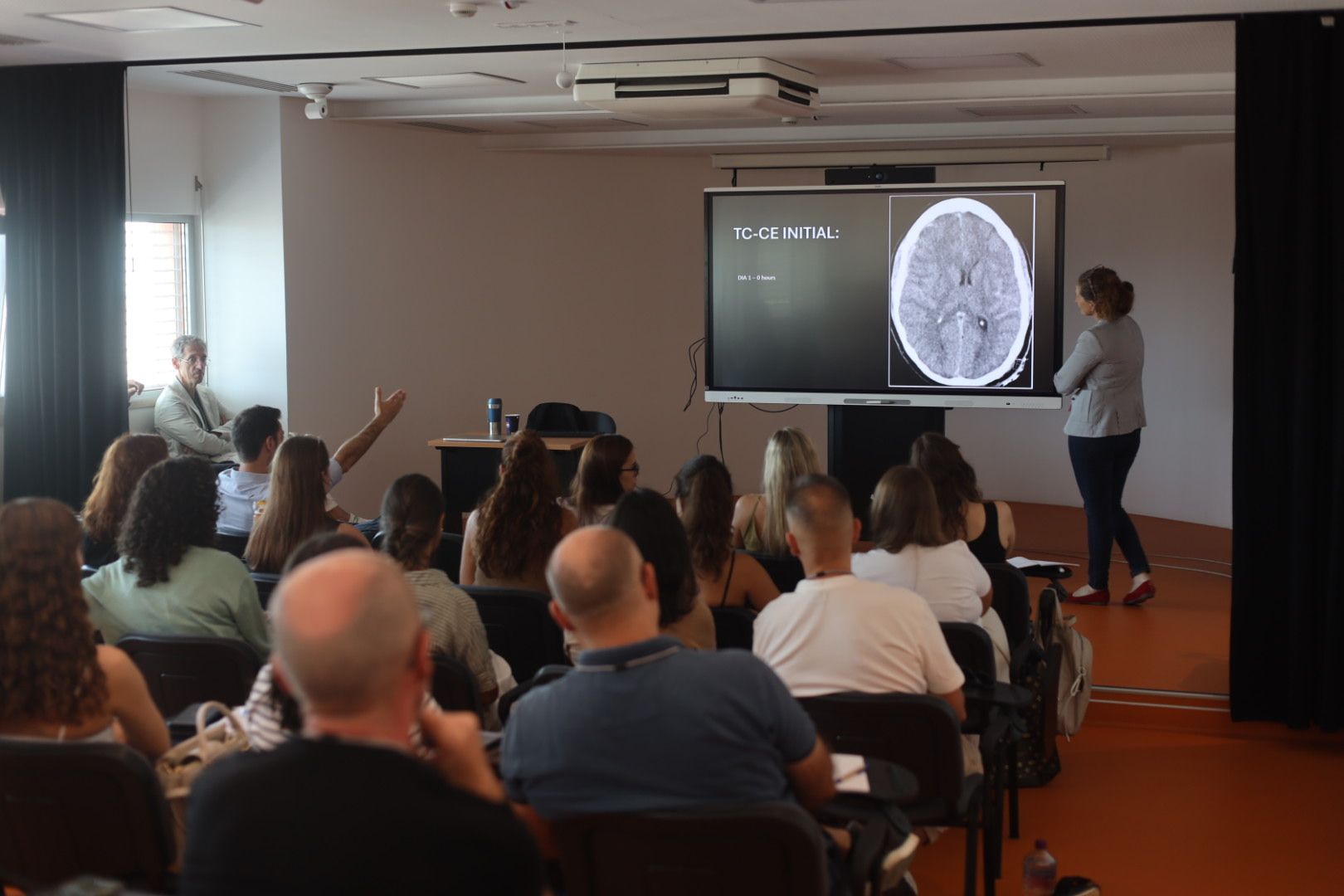
"Neurocritical care is one of the most demanding areas of intensive care medicine," explained Dr. Ana Isabel Rodrigues, an intensive care physician at Faro Hospital and member of the organising committee. "When a patient suffers a brain injury, we need to treat the injury while simultaneously protecting the brain from further damage caused by low oxygen levels, low blood pressure or raised pressure inside the skull. Many of our patients are unconscious, so we depend on CT scans and a range of monitoring tools to understand what is happening inside the brain at any given moment."
What makes neurocritical care particularly complex is the sheer number of professionals involved in a single patient's recovery. The intensive care doctor manages breathing, blood pressure and brain pressure. The neurosurgeon may need to operate to relieve bleeding or swelling. The neuroradiologist interprets the brain scans that guide every decision. The rehabilitation therapist begins work almost immediately, helping patients relearn basic movements and communication. And the nurse, present at the bedside every hour of the day and night, is often the first to notice a change in condition that might signal a crisis.
"Brain injury is devastating, and these patients require input from many different specialities and professions," said Dr. Nuno Mourão, an intensive care specialist at Portimão Hospital. "The idea behind this conference is to bring nurses, doctors, therapists and technicians together, to share knowledge and understand how our different roles intersect in providing the best possible care for these complex patients."
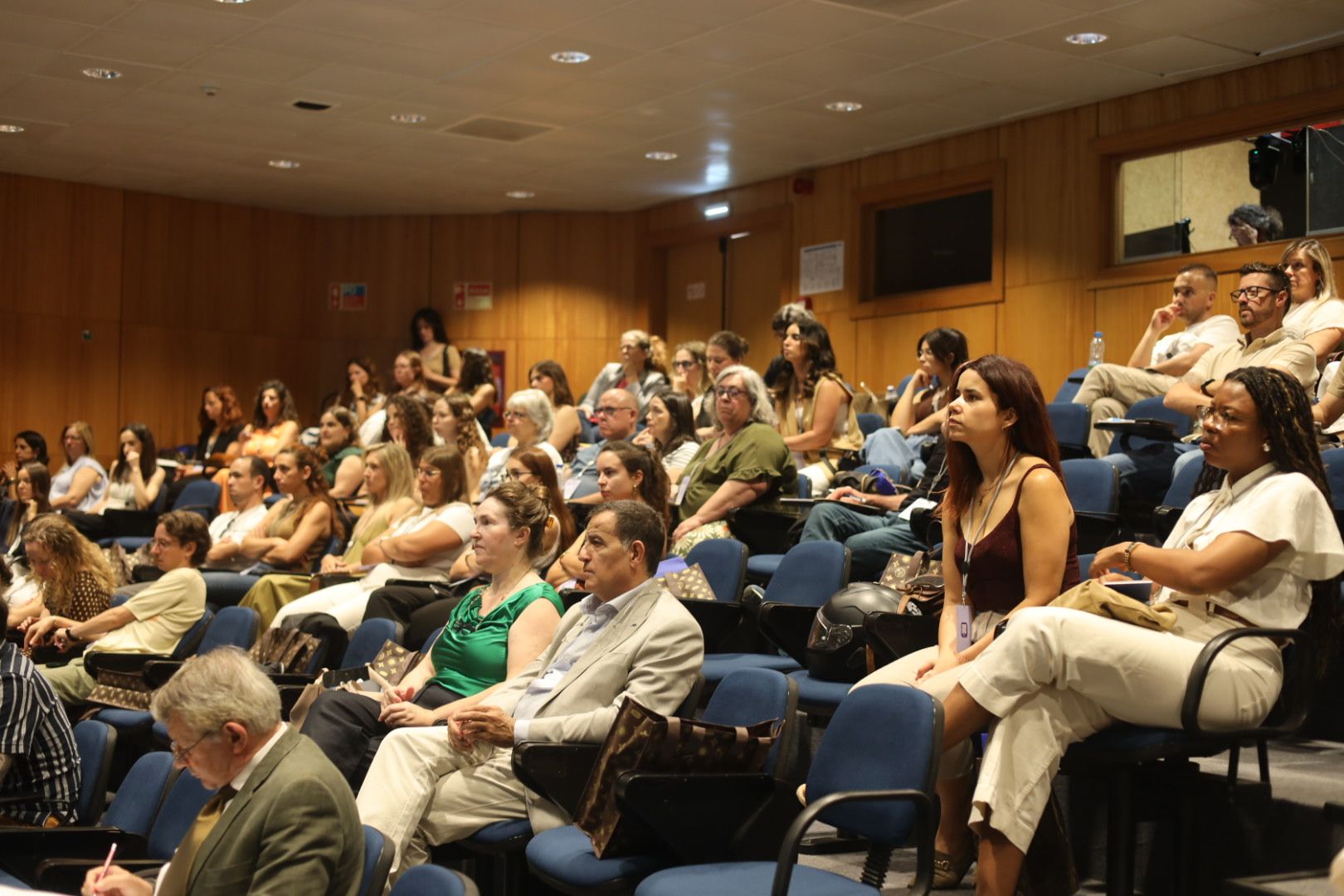
This spirit of collaboration was woven into every aspect of the conference. Rather than separating professionals by discipline, the event deliberately mixed specialities in its lecture halls and workshops, creating the kind of cross-disciplinary dialogue that rarely happens in the day-to-day pressures of hospital life. The programme included not only lectures from leading experts, but also interactive case discussions in which participants worked through real clinical scenarios together, and hands-on workshops where attendees could practise technical skills, such as performing an ultrasound of the brain or interpreting a continuous brainwave monitor, with expert support.
The venue itself was well suited to this approach. The Algarve Medical Simulation Centre at the University of the Algarve is one of the most active simulation centres in Portugal, purpose-built to provide realistic clinical training experiences outside of the pressures of a real hospital environment. For a conference that placed particular emphasis on learning by doing, it was an ideal venue.
The scientific programme featured a distinguished roster of national and international speakers. Professors Elisabete Monteiro and Celeste Dias travelled from São João Hospital in Porto, one of Portugal's most experienced neurocritical care units, to share advances in brain monitoring and neuroprotective treatment. Dr. Inês Cordeiro, from São José Hospital in Lisbon, presented on the use of continuous EEG monitoring. The international perspective came from Professor José Domingues, from Hospital Universitário Virgen del Rocío in Seville, one of southern Europe's leading neurosurgical centres. Junior doctors in training also had the opportunity to present their own research, a reminder that the next generation of specialists is already making its mark.
For the Algarve, the development of neurocritical care expertise carries particular weight. The region's hospitals serve not only a local population but also a large influx of tourists and seasonal residents from across Europe. The ability to respond rapidly and effectively to a brain injury in the critical hours before irreversible damage sets in can mean the difference between full recovery, permanent disability and death. Previously, patients often had to be transferred to Lisbon for lifesaving procedures. Today, Faro Hospital serves as the regional neurocritical care centre, bringing together intensive care, neurosurgery, neuroradiology, rehabilitation and stroke services under one roof. Portimão Hospital complements this with its own stroke centre and intensive care unit, extending specialist coverage across the region.
The 2nd Algarve Neurocritical Care Conference was organised by ABC Meetings and co-hosted by the Faculty of Medicine and Biomedical Sciences of the University of Algarve and the Local Health Unit of the Algarve (ULS Algarve), with headline sponsorship from Clinifar and WorldMedica. It is the only conference in Portugal dedicated exclusively to this field.
Planning for the 3rd edition of the Algarve Neurocritical Care Conference. is underway. What began as a regional initiative is fast becoming an established fixture on the national medical calendar, and a demonstration that world-class neurocritical care is being built not only in Portugal's major cities, but here in the Algarve as well.
Article by Dra Alexandra Binnie
Alexandra Binnie is co-director of the Algarve Medical Simulation Centre and an intensive care physician at Faro Hospital.
 Add as a preferred source on Google





 Portugal Handbook
 English
 Nederlands
 Deutsch
 Français
 Español
 Italiano
 Svenska
 Pусский
 中文
中文 Türkçe
 Português
 Czech
Czech Hungarian
 Polski
 عربي
عربي Suomi
Suomi עִברִית
 Português (Brasil)
Follow us on social media