


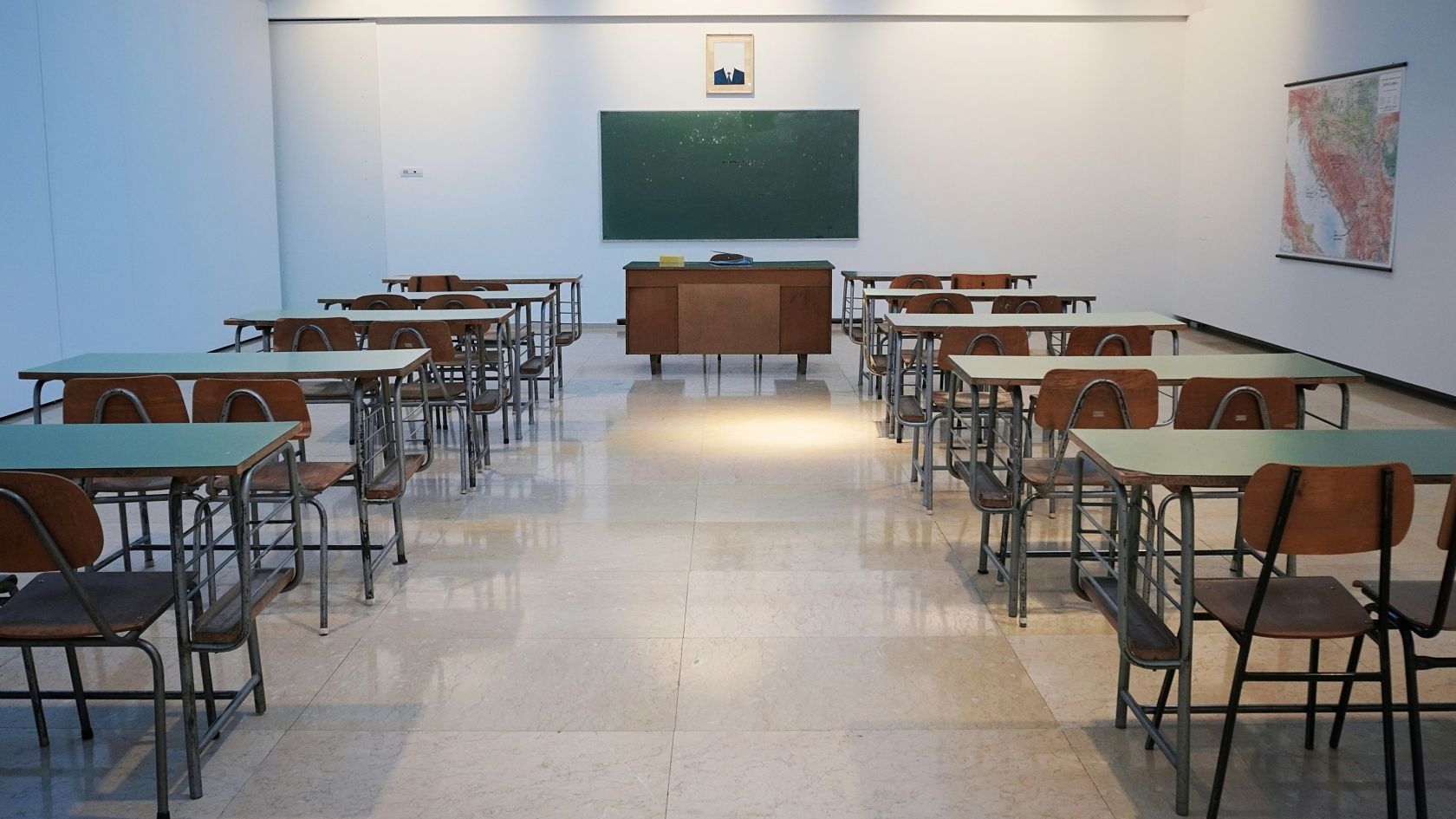
Schools are beginning the 2026/27 academic year between 11 and 15 September, with thousands of pupils returning to classrooms across the country.
However, just days before the start of classes, more than 2,000 teaching schedules were still waiting to be filled in Portuguese schools, RTP reported.
Lisbon, Setúbal and the Algarve continue to be the areas most affected by the lack of teachers.
The Algarve has officially been identified by the Government as one of the three regions in Portugal with the greatest structural shortage of teachers, together with Greater Lisbon and the Setúbal Peninsula.
The classification is based on the situation during the previous school year and takes into account schools where at least one full teaching schedule remained unfilled until the end of the academic year. All five Algarve teaching zones are considered areas where there is a shortage of teachers for 2026/27.
More than 1,000 teachers placed in the Algarve
Efforts have been made to fill vacancies before pupils return to school.
Government figures published in August show that 20,404 teachers were placed across Portugal through internal mobility and initial recruitment.
Of these, 5,894 were placed in the three areas experiencing the greatest shortages, including 1,011 teachers in the Algarve. This compares with 3,317 in Greater Lisbon and 1,566 in the Setúbal Peninsula.
Despite the placements, vacancies remain as schools begin the new academic year.
The shortage of teachers has been an ongoing problem in Portugal, particularly in areas where schools have difficulties attracting and retaining staff.
The Government has introduced several measures aimed at improving the situation in the most affected regions, including incentives designed to encourage teachers to remain in schools where shortages are greatest. Measures under the +Aulas +Sucesso programme are specifically targeted at Greater Lisbon, the Setúbal Peninsula and the Algarve.
A new recruitment system is also planned from the 2027/28 school year, which will include a continuous recruitment process to fill temporary vacancies throughout the year more quickly.
 Add as a preferred source on Google







 Portugal Handbook
 English
 Nederlands
 Deutsch
 Français
 Español
 Italiano
 Svenska
 Pусский
 中文
中文 Türkçe
 Português
 Czech
Czech Hungarian
 Polski
 عربي
عربي Suomi
Suomi עִברִית
 Português (Brasil)
Follow us on social media