


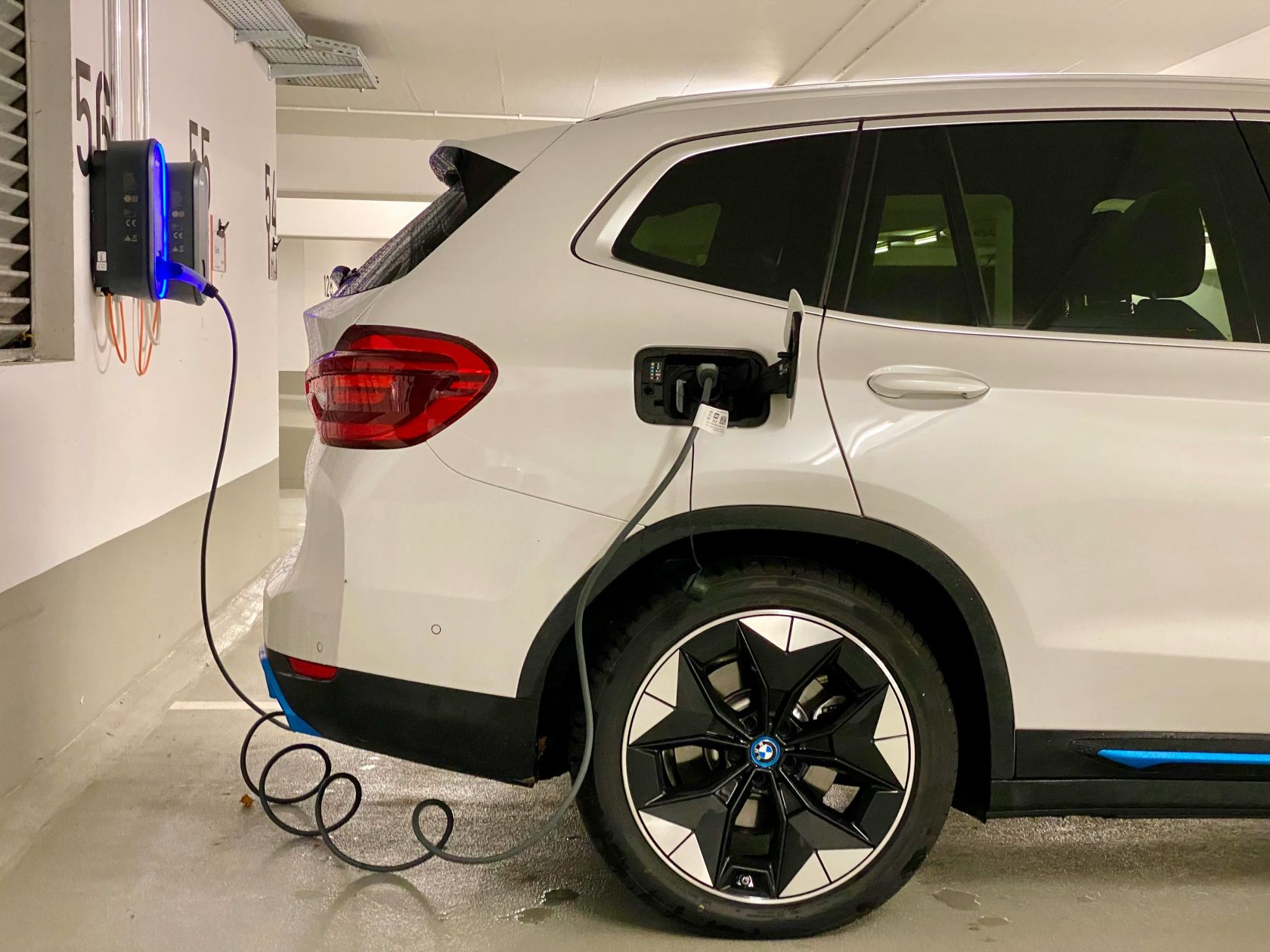
Under the Alternative Fuels Infrastructure Regulation (AFIR), EU member states are working towards ensuring that fast-charging stations for electric cars are available at least every 60 kilometres along the Trans-European Transport Network (TEN-T), the bloc’s principal network of highways.
The measures form part of the EU’s broader strategy to accelerate the transition to low-emission transport while reducing “range anxiety” – one of the main barriers preventing motorists from switching to electric vehicles.
What the new rules mean
The legislation does not simply require more charging points. It also sets minimum power output requirements to ensure drivers can recharge vehicles more quickly, while encouraging payment systems that allow motorists to use chargers without needing multiple subscriptions or membership cards.
The regulation also includes targets for charging infrastructure for heavy goods vehicles and aims to improve the availability of hydrogen refuelling stations as alternative fuel technologies develop.
Portugal continues to expand its network
Portugal already has one of Europe’s more extensive public charging networks relative to its size, with thousands of charging points operating through the national Mobi.E network.
New installations have continued across the country, particularly on motorways and in urban centres, making it increasingly practical for drivers to undertake longer journeys by electric vehicle.
Popular tourist routes, including those linking Lisbon, Porto and the Algarve, have seen significant investment as demand for electric mobility continues to grow.
Supporting Europe’s climate goals
Transport remains one of the EU’s largest sources of greenhouse gas emissions, and expanding charging infrastructure is seen as a key step towards meeting the bloc’s climate targets.
By improving access to reliable charging facilities, policymakers hope to encourage greater adoption of electric vehicles while supporting cross-border travel for both residents and tourists.
Although implementation will take place gradually over the coming years, the new standards are expected to create a more consistent charging experience across Europe, making international road trips increasingly straightforward for electric vehicle owners.
 Add as a preferred source on Google







 Portugal Handbook
 English
 Nederlands
 Deutsch
 Français
 Español
 Italiano
 Svenska
 Pусский
 中文
中文 Türkçe
 Português
 Czech
Czech Hungarian
 Polski
 عربي
عربي Suomi
Suomi עִברִית
 Português (Brasil)
There are no chargers between Lagos and faro working. When they break they are never fixed
, same in Lagos. The electric charging is a joke.
By Adam from Algarve on 31 Jul 2026, 13:42