


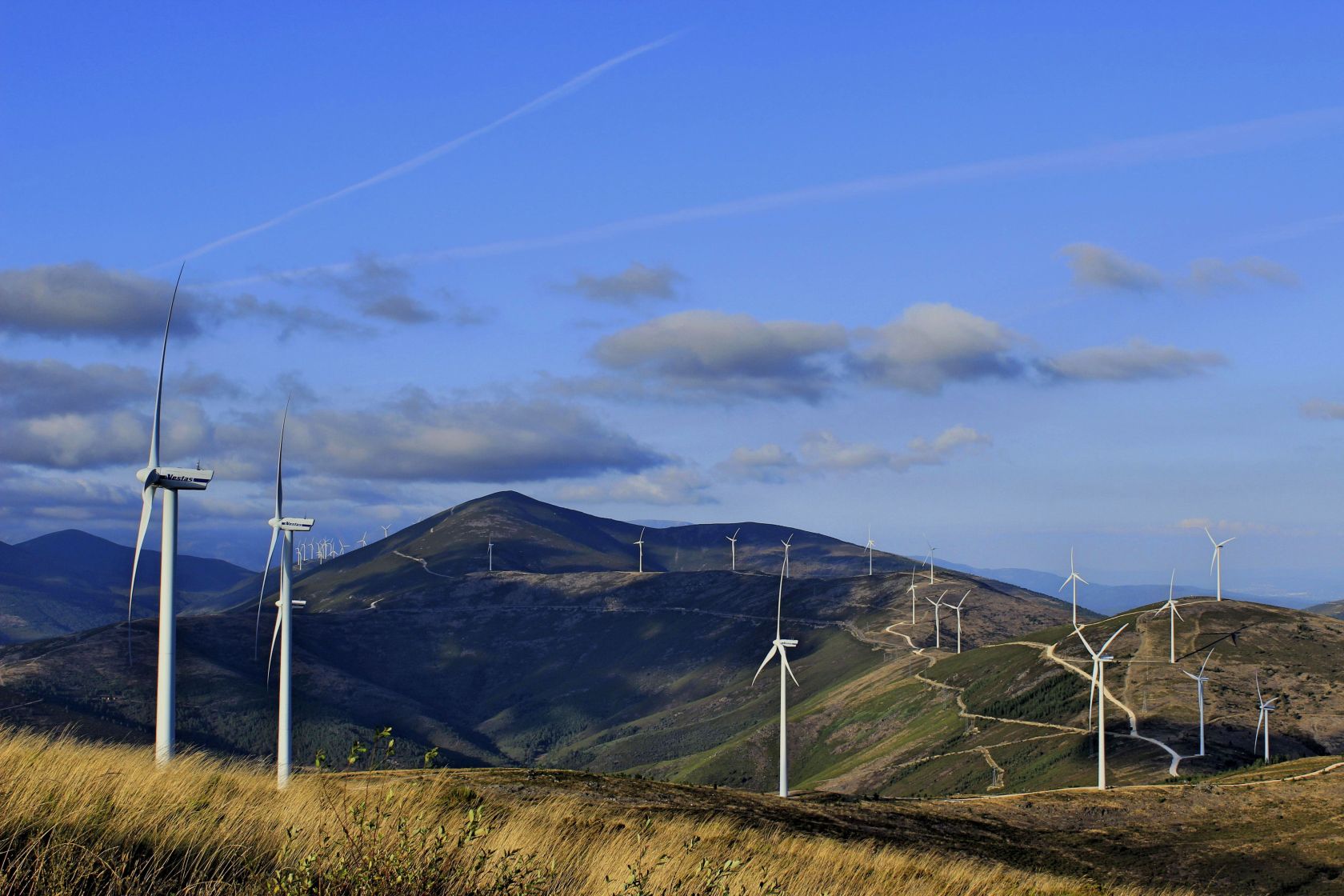
Portugal has made an important journey in this area and today has natural conditions that few European countries can match. But the greater the presence of renewables in the electricity system, the more evident it becomes a reality: it is not enough to produce energy. It is necessary to be able to store and use it when we really need it.
The Government's decision to put a National Strategy for Energy Storage out for public consultation is therefore particularly important. The proposal points to Portugal being able to reach 6.9 GW of installed storage capacity in 2030, practically doubling the current capacity. The strategy includes different technologies, from batteries to water pumping, finally recognising storage as an essential infrastructure for the security, flexibility and efficiency of our energy system.
Due to my international professional activity in the renewable energy sector, I have the opportunity to follow the evolution of different markets, and it is increasingly evident that storage is no longer a complement to renewables but is becoming one of the central parts of the energy system. The sun does not produce when we want it to; it produces when there is sun. The same happens with wind. Without the capacity to store part of that electricity, we can have moments of enormous renewable production and, a few hours later, need other sources to meet consumption. Storage allows us to make better use of what we already produce and, at the same time, make the grid more stable and resilient.
Portugal is also starting from an interesting position. We have more than 3.6 GW of installed capacity in pumped storage hydroelectric plants and a growing solar and wind production capacity. In the first three months of this year, 80.7% of the electricity produced in Portugal came from renewable sources. The next step will necessarily have to be to increase the flexibility of the system, combine different forms of storage and create economic and regulatory conditions that allow private investment to participate in this transformation.
There is also an economic opportunity here that we should not ignore. Storage will mobilise huge volumes of investment across Europe in the coming years. Portugal can simply buy technology and equipment developed in other countries or it can take advantage of this transformation to attract investment, develop knowledge, create skills and involve our companies and universities in a new energy industry.
The public consultation is therefore good news. But a strategy will only have real value when it turns into concrete projects, with clear rules, efficient licensing and predictability for those who invest. After a decade marked by the extraordinary growth of renewables, we are now entering a new phase. Producing clean energy remains fundamental. Knowing how to save it for when we need it will be equally important.
 Add as a preferred source on Google







 Portugal Handbook
 English
 Nederlands
 Deutsch
 Français
 Español
 Italiano
 Svenska
 Pусский
 中文
中文 Türkçe
 Português
 Czech
Czech Hungarian
 Polski
 عربي
عربي Suomi
Suomi עִברִית
 Português (Brasil)
Follow us on social media