


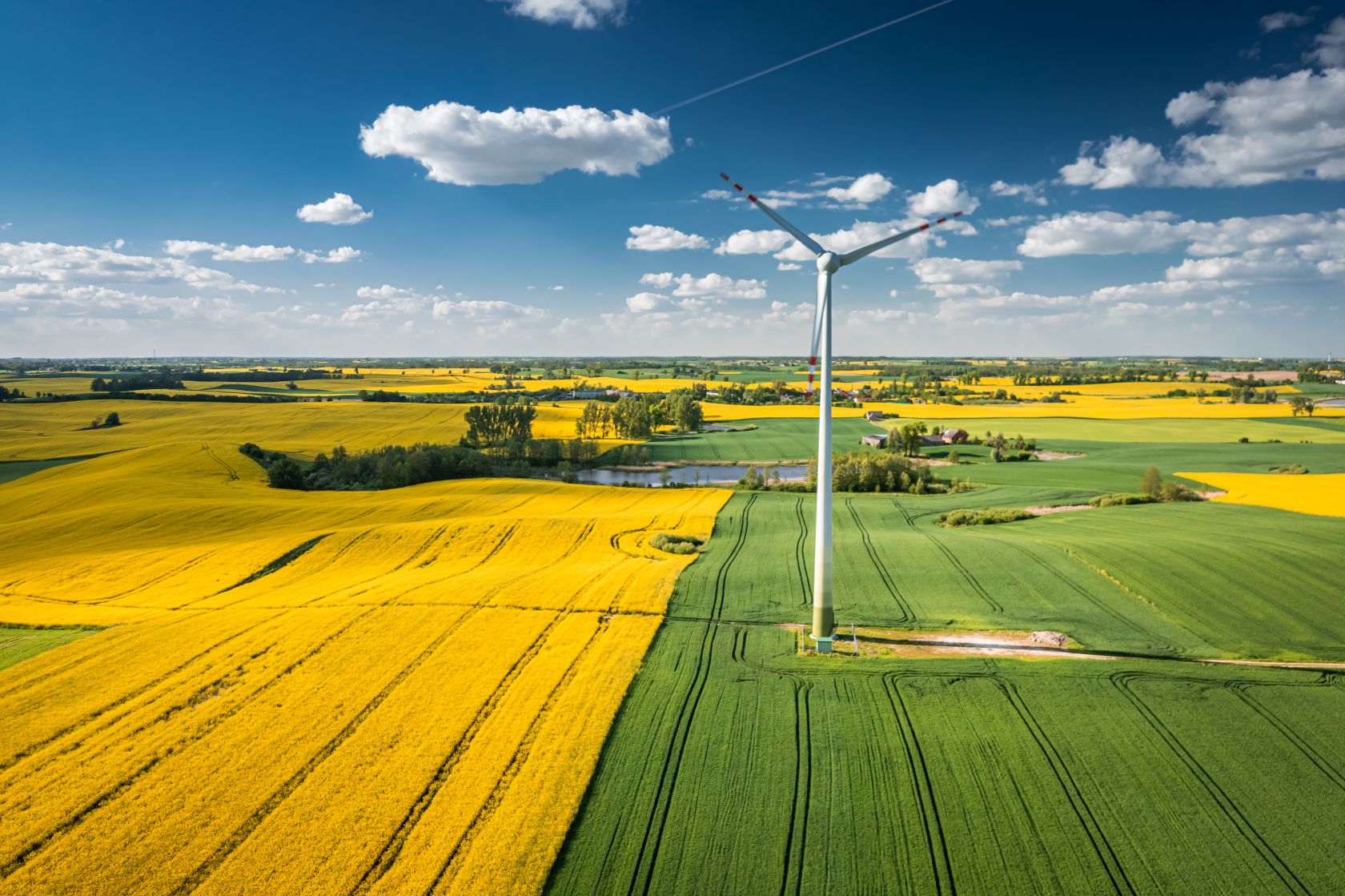
The figures show that we are still at a very early stage: in the face of more than 7,200 MW of installed photovoltaic capacity in the country, the operational agrivoltaic projects identified represent only about 0.37 MW. Such a significant difference should lead us to ask not only why there are so few projects, but also whether we are addressing the problem correctly.
One of the explanations given for the low adherence of farmers is the investment required. Installing panels, creating grid connections, building transformer stations and ensuring maintenance represent costs that many farms cannot afford. It is a perfectly understandable argument, but it is based on an assumption that I consider important to question: why does the farmer have to finance, develop and maintain an energy project?
I work internationally in the renewable energy sector as an external consultant for a large Portuguese and European group and I know a reality that seems to remain unpresent in this discussion. There is private capital, national and international, available to finance renewable infrastructures, and there are specialised operators capable of developing, building, financing and maintaining these assets for decades. The farmer does not necessarily have to become an energy producer to benefit from this opportunity. He can make part of the land available through long-term contracts, receive a rent, participate in the revenues or benefit from the energy produced, while remaining focused on what he knows best: agricultural activity.
In fact, the experts involved in the Portuguese discussion themselves recognise that the new business models may involve the farmer as an owner, tenant or co-owner. It is precisely this diversity of models that we should study better. Instead of asking whether a farmer can finance a solar installation, perhaps we should ask how we can bring together those who have land and agricultural knowledge with those who have capital, technology and energy experience.
Of course, this does not mean defending solar panels indiscriminately on agricultural land. Agrivoltaics will not be suitable for all crops or all regions. The technology must adapt to the territory and agriculture, and never the other way around. But existing projects show that it is possible to study coexistence with vineyards, orchards, vegetables and livestock, with potential benefits that go beyond electricity. Under certain conditions, shading can help with water management, protect crops from extreme weather events or provide better conditions for animals. The energy produced can also contribute to reducing costs associated with irrigation, refrigeration, storage or processing of agricultural products.
There is also a dimension that deserves greater attention. The development of collective self-consumption and energy communities allows us to think of renewable production as part of a more local energy economy, in which farms, companies and other nearby consumers can benefit from the electricity produced in the region, within the applicable technical and legal conditions. Agrivoltaics is no longer just a discussion about placing panels on agricultural land and becomes part of a broader reflection on rural development, energy competitiveness and new sources of income.
Portugal has sunshine, agricultural territory, renewables companies with international experience, investors interested in infrastructure, and an agricultural sector that faces rising costs, water scarcity, and the need to find new sources of income. Perhaps the problem is not a lack of resources, but the difficulty in creating models that can bring together those who have the land, those who know agriculture, those who have the capital, and those who know how to produce energy. Instead of continuing to ask whether we should choose between agriculture and renewables, we should start to understand where and how we can make the two grow together.
 Add as a preferred source on Google







 Portugal Handbook
 English
 Nederlands
 Deutsch
 Français
 Español
 Italiano
 Svenska
 Pусский
 中文
中文 Türkçe
 Português
 Czech
Czech Hungarian
 Polski
 عربي
عربي Suomi
Suomi עִברִית
 Português (Brasil)
Follow us on social media