


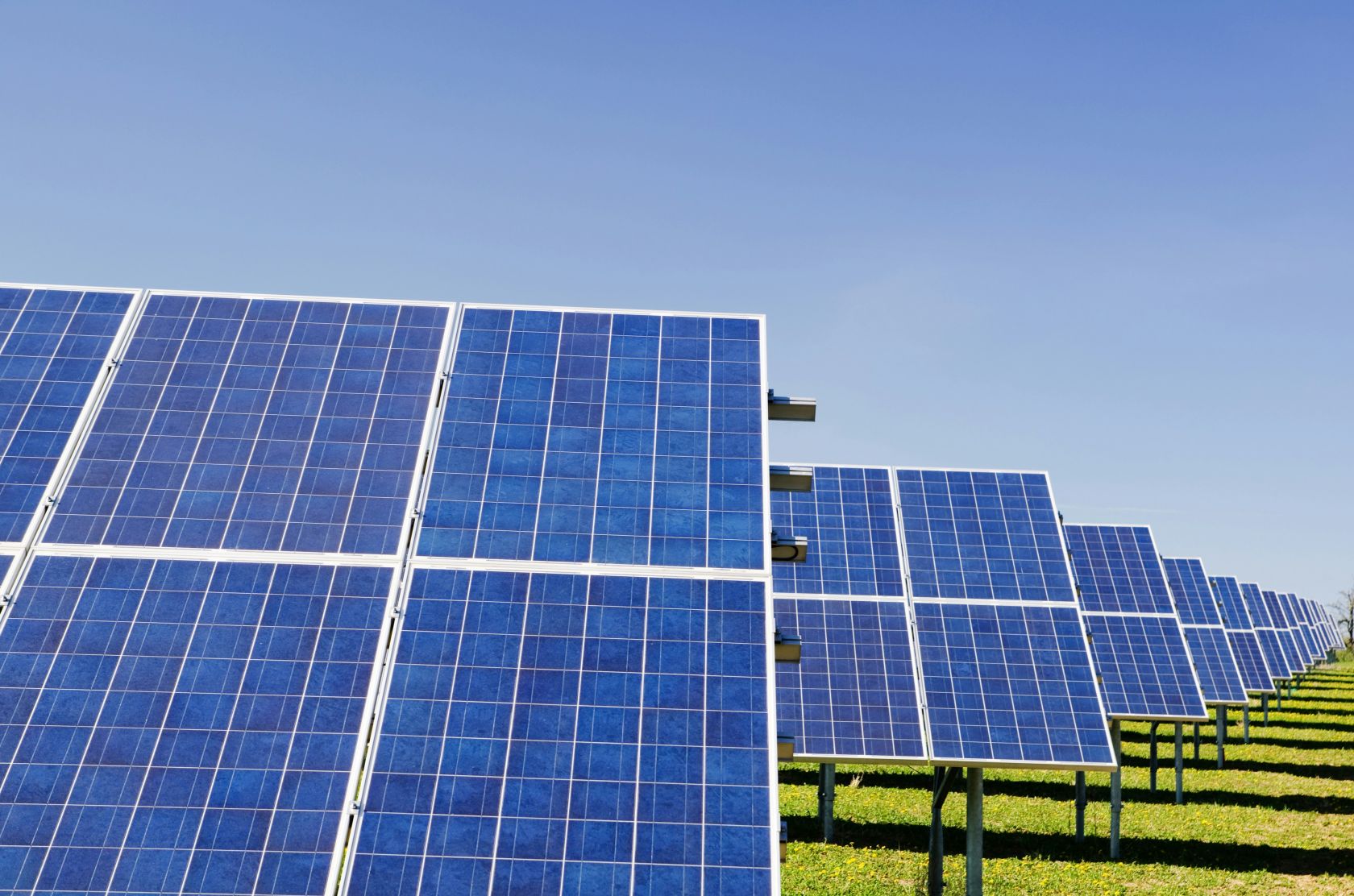
The Sophia solar plant, planned for the Beira Baixa region, will see its proposed capacity fall by 34%, from 867 MWp to around 573 MWp.
Developer Lightsource bp has also reduced the amount of land enclosed by the project by 32%, while the number of separate fenced areas will be halved from 44 to 22.
The changes follow an environmental assessment which identified “significant and very significant” negative impacts involving the landscape, soil and land use, spatial planning and the local economy.
Lightsource bp now has until 2 October to submit the redesigned project to the Portuguese Environment Agency (APA).
Smaller footprint
The original plan stretched across Fundão, Idanha-a-Nova and Penamacor in the Castelo Branco district.
Under the new proposal, the area occupied in Penamacor and Idanha-a-Nova will be reduced. Fundão will no longer have solar panels, although part of the electricity line connecting the project to the grid will still pass through the municipality.
There are changes to the transmission infrastructure too. Four planned overhead medium-voltage corridors have been removed, and around 70% of the preferred electricity line will run alongside infrastructure already in place.
The developer says roughly 70% of the land that would now hold solar panels is currently used for eucalyptus monoculture.
Another significant change concerns agricultural land. The original proposal occupied 222.1 hectares identified as having potential for future irrigation. The revised project avoids that land altogether.
Environmental concerns addressed
Lightsource bp has made several changes aimed specifically at the issues raised during the environmental review.
The project’s overlap with areas classified as National Ecological Reserve will fall from 10.8 hectares to around 0.1 hectares, a reduction of 99%.
Plans affecting 7.1 hectares of Pyrenean oak woodland have also been dropped, and the revised proposal no longer involves cutting down large cork or holm oaks.
Wildlife was another concern. The distance between the development and a black vulture roost will increase considerably, from just 290 metres in the original plan to around 4.4 kilometres.
Miguel Lobo, managing director of Lightsource bp in Portugal, said feedback from the public, local meetings and official bodies had helped shape the new version.
The project is still at an early stage. If it eventually receives approval, implementation is currently planned for 2029.
Lightsource bp has also attached a package of local measures worth more than €20 million to the project. These include support for households experiencing energy poverty, collective self-consumption schemes, fire prevention, employment and training initiatives, farming support and investment in sustainable tourism in Beira Baixa.
The redesign does not mean Sophia has been approved. Once the revised plans are submitted, the APA will make them public and open a new 10-working-day public consultation before the assessment commission considers the changes.
That next stage will determine whether cutting the project’s size and moving parts of its infrastructure has gone far enough to address the concerns that stopped the original proposal progressing.
 Add as a preferred source on Google







 Portugal Handbook
 English
 Nederlands
 Deutsch
 Français
 Español
 Italiano
 Svenska
 Pусский
 中文
中文 Türkçe
 Português
 Czech
Czech Hungarian
 Polski
 عربي
عربي Suomi
Suomi עִברִית
 Português (Brasil)
Follow us on social media